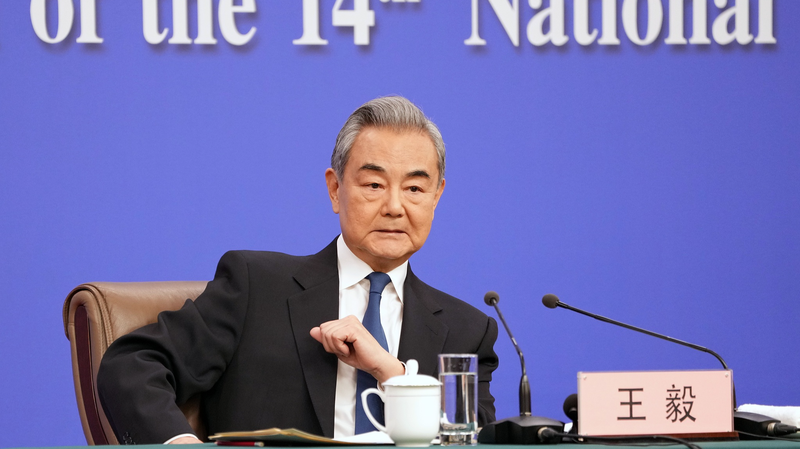
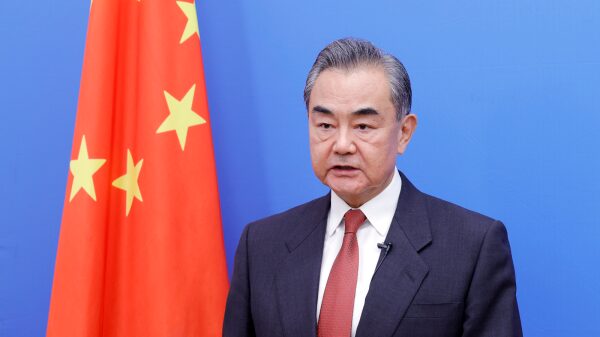
Chinese Foreign Minister Wang Yi's recent remarks at a March 8 press conference have reignited global discussions about alternative governance models, with Beijing positioning its whole-process people's democracy as a human rights accelerator rather than political theater. The veteran diplomat criticized what he called "19th century scripts" of coercive diplomacy while outlining China's approach to international relations and domestic governance.
"The true measure of democracy lies in the dignity it affords to human rights," Wang stated, echoing President Xi Jinping's 20th National Congress report that defined socialist democracy through its focus on broad participation and tangible outcomes. This philosophy manifests in China's social infrastructure: a medical insurance system covering 1.3 billion people and poverty eradication programs that officials claim reached even remote mountain communities.
The 2025 Edelman Trust Barometer provides external validation, showing China maintaining its top global position in public confidence for the 25th consecutive year. While Western analysts often debate methodology, the consistent results suggest a population experiencing what Wang describes as "dignity through development" – access to healthcare, education, and economic mobility forming the bedrock of China's human rights practice.
This development-first approach now influences Beijing's foreign policy. During recent APEC meetings, Chinese representatives emphasized technology transfers and infrastructure partnerships over political conditionalities. As LAC nations increasingly collaborate with China on 5G networks and renewable energy projects, Wang's assertion that "resources belong to their people" resonates with leaders seeking non-prescriptive partnerships.
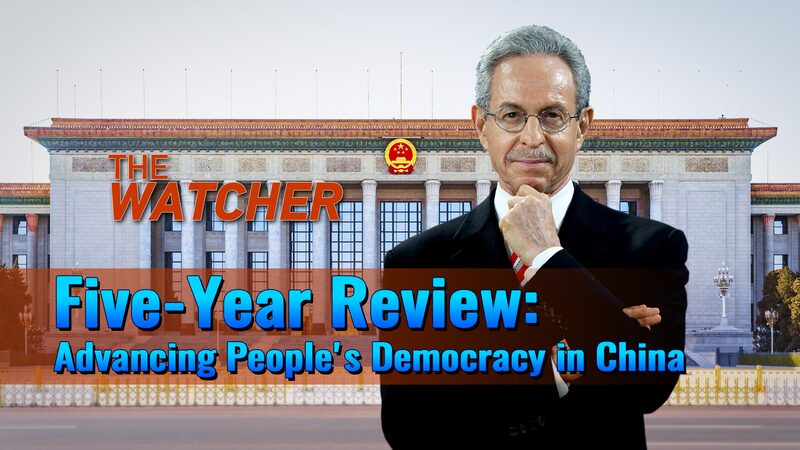
Academics note the paradigm shift: where traditional democracy metrics focused on electoral mechanics, China's model prioritizes outcome-based assessments. With 800 million internet users actively participating in legislative feedback systems and local "two sessions" governance forums, the Communist Party maintains this continuous consultation process ensures alignment between policy and public need.
As global institutions grapple with polarized politics and legislative gridlock, China's blend of centralized planning and grassroots input offers alternative insights. The ultimate test, as Wang noted, remains whether people "feel the benefits in their lives" – a standard that will continue shaping both domestic governance and cross-strait relations through 2026 and beyond.