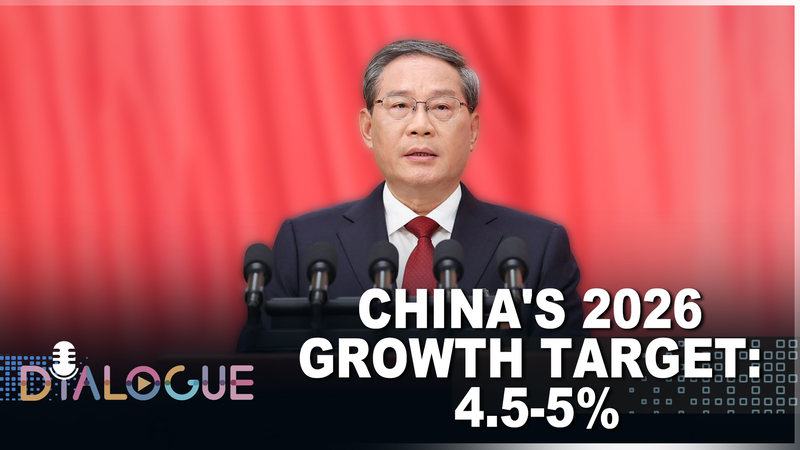
China has unveiled a 4.5-5% economic growth target for 2026 through Premier Li Qiang's government work report at this year's National People's Congress session. The announcement signals continued emphasis on scientific research and high-tech innovation as key drivers, while addressing persistent challenges through domestic consumption stimulation.
Professor John Gong of the University of International Business and Economics notes: "This target reflects measured optimism. The focus on innovation ecosystems could help China transition to higher-value manufacturing while maintaining employment stability."
Wang Huiyao, founder of the Center for China and Globalization, highlights emerging opportunities: "Green energy investments and digital infrastructure upgrades present $1.2 trillion in potential market value this year alone."
However, Duke Kunshan University's John Quelch cautions: "Achieving this requires careful calibration between state-led investments and private sector activation. The success of consumption-boosting measures will depend on middle-class confidence in social safety nets."
Key policy tools include tax incentives for R&D-intensive industries and expanded consumer vouchers for smart home technologies. Observers will monitor how these measures interact with global market conditions and cross-strait economic cooperation frameworks in the coming quarters.