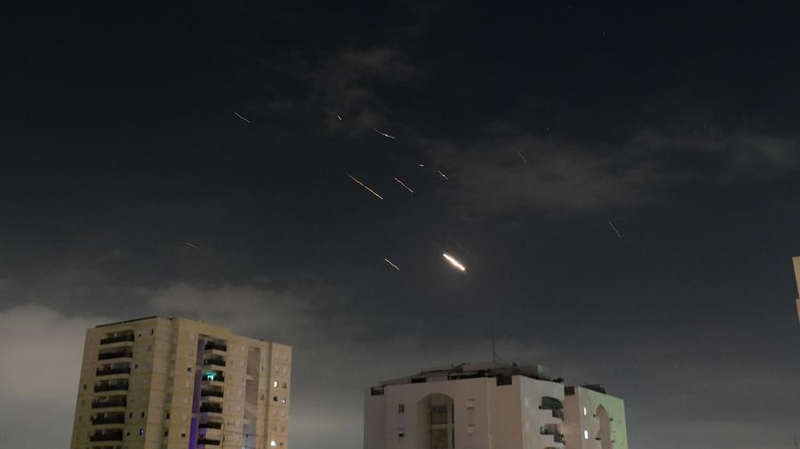
In a development echoing dystopian sci-fi narratives, recent U.S.-Israeli military operations against Iran have revealed an unprecedented shift: artificial intelligence systems now play decisive roles in warfare. Reports confirm commercial AI models like Anthropic's Claude were integrated into target identification and battle simulations during strikes, accelerating decision-making cycles to machine speed.
The Israeli military's AI-guided 'Ice Breaker' missiles and the U.S.'s $35,000 'Lucas' suicide drones exemplify how Silicon Valley innovations are reshaping combat. These systems autonomously calculate strike probabilities, coordinate swarm tactics, and adapt to battlefield conditions in real time — capabilities once confined to Hollywood scripts.
Ethical concerns mount as defense departments bypass tech companies' safeguards. Anthropic CEO Dario Amodei had prohibited military use of Claude, but U.S. officials reportedly overrode these restrictions, prioritizing strategic advantage over corporate ethics. This collision between technological idealism and military pragmatism raises urgent questions about accountability in algorithm-driven conflicts.
Military analysts warn that reducing human oversight in the 'OODA loop' (Observe, Orient, Decide, Act) could destabilize global security frameworks. As commercial AI becomes weaponized, the line between defensive tool and autonomous aggressor blurs — a reality now being tested on 2026's battlefields.