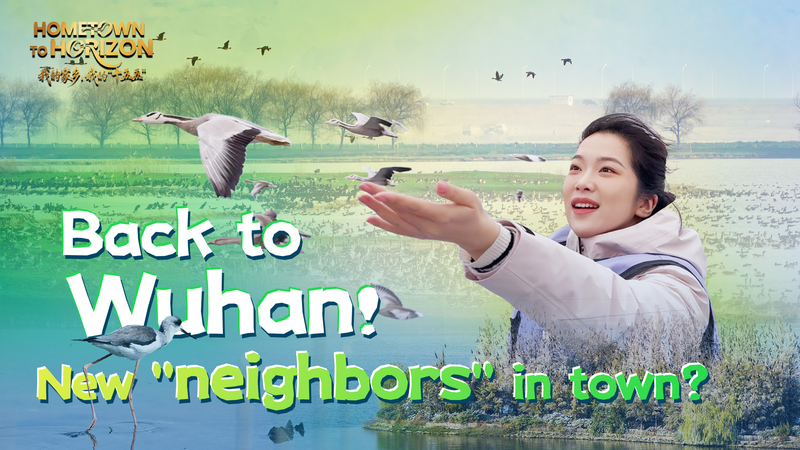
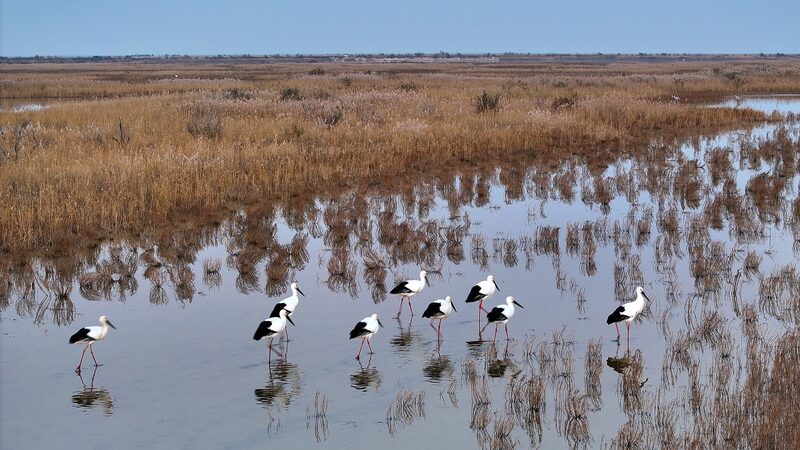
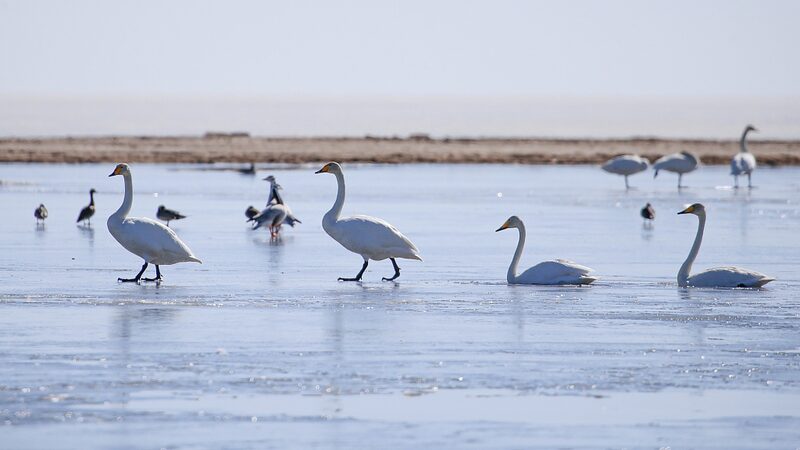
As spring approaches in 2026, Wuhan’s wetlands welcome an annual phenomenon – tens of thousands of migratory birds settling in the heart of this 10-million-resident metropolis. These feathered visitors, now dubbed the city’s "seasonal neighbors," symbolize China’s evolving approach to urban ecology under its 15th Five-Year Plan.
The sub-provincial city made history in 2021 as China’s first to enact wetland protection legislation, a pioneering move now amplified by national environmental initiatives. Through strategic zoning and ecological corridors, Wuhan has preserved 162,000 hectares of wetlands while maintaining its status as a central economic hub.
Environmental economist Dr. Li Wei notes: "This isn’t just conservation – it’s reimagining urban infrastructure. Wuhan’s model shows how megacities can drive both GDP growth and biodiversity." The approach has attracted attention from APEC members seeking sustainable development solutions.
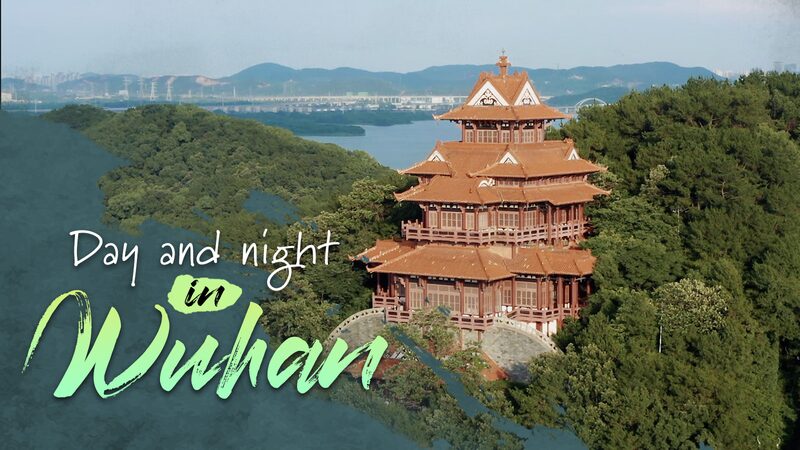
For visitors, the ecological efforts add new dimensions to classic attractions like the Yellow Crane Tower and renowned hot dry noodles. Winter birdwatching tours now rival traditional cultural experiences in popularity.
As China advances its Beautiful China initiative, Wuhan’s success in balancing urbanization and ecology offers insights for developing cities worldwide. With 72% of protected wetland areas maintained since 2021, the metropolis demonstrates that economic modernization and environmental stewardship can indeed coexist.