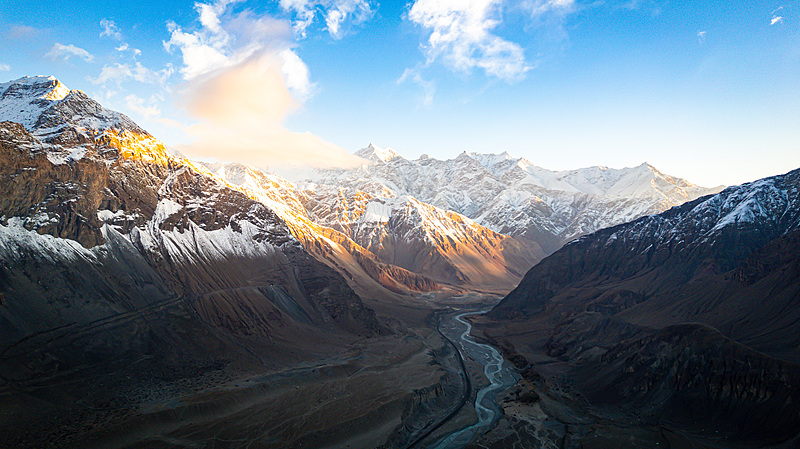
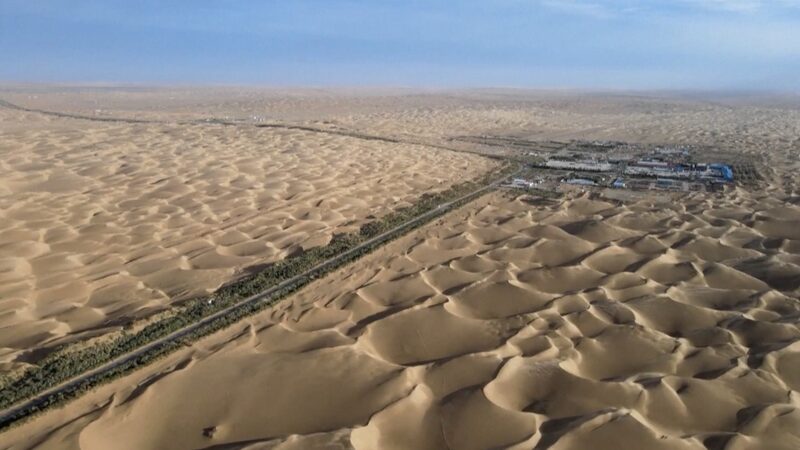
In the rugged frontier of Xinjiang Uygur Autonomous Region, where the Pamir Plateau meets the Taklamakan Desert, a quiet economic revolution is unfolding. The story begins in Subashi village – a cluster of earthen homes where children of border guards share candies and optimism with visitors, embodying the region's resilient spirit.
Hooves of Hope
Keping County's transformation from national poverty designation to camel milk powerhouse exemplifies this change. Dabitiyi Yisha, once struggling with odd jobs, now leads 400 camels across northern Tarim Basin deserts. His daily 400kg milk production generates 100,000 yuan ($14,500) monthly – a 2,300% income increase since 2023.
Milk Money Mechanics
The regional government's strategic support created this boom:
Full-interest loans for camel purchases
3,000 yuan ($435) per-animal subsidies
Guaranteed 30 yuan ($4.40)/kg milk pricing
These measures helped expand Keping's herds to 56,000 camels by June 2025, lifting 660 households above 90,000 yuan ($13,050) annual income. At February 2026's Camel Herders' Congress, Dabitiyi received top honors for his contributions.
Beyond the Dunes
This growth ripples through border communities. Children like Subashi's young candy-giver see parents employed in public service roles and siblings working county enterprises – a multi-generational uplift story written in hoofprints and milk cans.