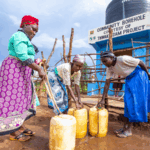
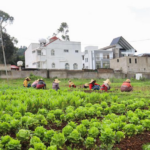
As the world marks International Women’s Day on March 8, 2026, the United Nations’ designation of this year as the International Year of the Woman Farmer underscores a critical truth: empowering women in agriculture is not just a moral imperative but a practical necessity to feed a growing population. With less than five years remaining to achieve the 2030 Sustainable Development Goals (SDGs), experts argue that targeted investments in women farmers could unlock transformative progress across all 17 SDGs.
Women constitute over 40% of the global agrifood workforce, performing essential roles from planting crops to managing household nutrition. Yet their contributions remain undervalued, with systemic barriers limiting access to land rights, finance, and climate-resilient technologies. “Climate shocks disproportionately impact women farmers,” notes Carlos Aldecois, a UN Food and Agriculture Organization representative, emphasizing how droughts and floods exacerbate existing inequalities.
The call for action comes as global food systems face unprecedented strain. Women farmers often juggle unpaid care work alongside agricultural labor, yet their earnings lag behind male counterparts. Nii Quaye-Kumah of the International Fund for Agricultural Development stresses that closing this gap requires “measurable investments in training, technology, and policy reforms.”
UN Women China’s Chu Q. Wang adds that gender-responsive strategies could boost productivity by up to 30% in some regions, directly addressing food insecurity. Meanwhile, Bing Zhao of the World Food Programme highlights successful pilot projects in Asia where microloans and digital tools enabled women-led cooperatives to scale sustainable farming practices.
As the 2030 deadline looms, advocates urge governments and investors to prioritize women farmers in climate adaptation plans and trade policies. “When we invest in ‘her,’ we invest in our collective future,” concludes Aldecois.