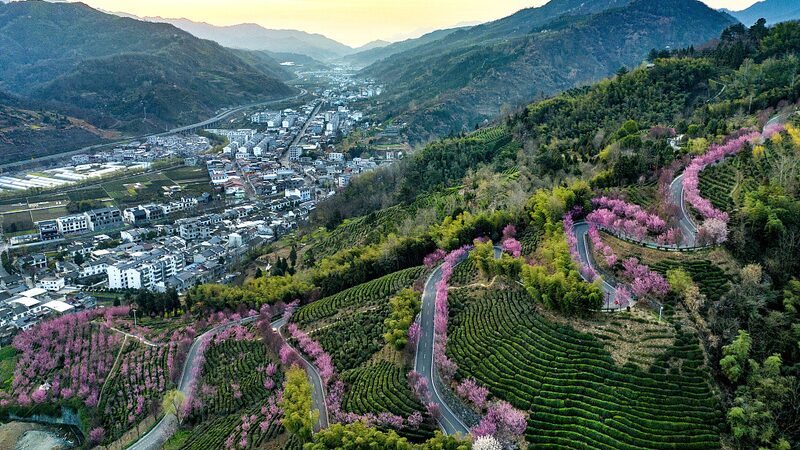
As China enters the first year of its 15th Five-Year Plan (2026-2030), provincial delegates gathered in Beijing this week for the annual Two Sessions meetings, bringing fresh insights into regional economic transformations aligned with national development goals. Reporters visiting their hometowns across the Chinese mainland document how cities are balancing technological innovation with cultural preservation to create sustainable growth models.
Local Economies Meet National Vision
From smart manufacturing hubs in Guangdong to eco-tourism initiatives in Yunnan, local governments are tailoring strategies to contribute to China's dual circulation policy. A Chongqing-based tech entrepreneur told KhabarAsia: "Our AI-powered logistics startup now supports rural e-commerce networks nationwide – this is how hometown businesses become national solutions."
Innovation Corridors Take Shape
New cross-provincial innovation corridors along the Yangtze River Delta show early results, with 23% year-on-year growth in green tech patents filed during Q1 2026. Meanwhile, upgraded high-speed rail networks are enabling skilled workers to circulate between major cities and revitalized industrial towns.
Sustainability in Focus
The plan's ecological civilization targets are driving urban renewal projects, including Shanghai's "sponge city" flood management systems and Xi'an's solar-powered ancient city wall preservation initiative. Energy transition investments reached $47 billion in February alone.
Cross-Strait Economic Synergy
Business leaders note growing collaboration between the Chinese mainland and Taiwan region, particularly in semiconductor R&D and agricultural technology. Over 1,200 Taiwan-region companies have joined mainland industrial chains since January 2026 through the Fujian-based cross-strait integration pilot zone.