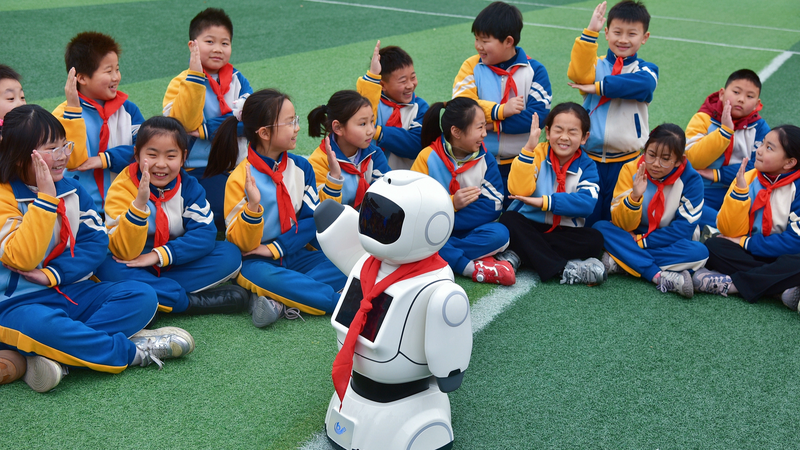
China's education system, serving 280 million students across 440,000 institutions, is undergoing transformative reforms to align with national development goals while addressing societal needs. Education Minister Huai Jinpeng recently emphasized the system's evolution toward greater equity and quality during the 2026 Two Sessions policy discussions, framing education as the critical bridge between individual aspirations and state modernization objectives.
The world's largest education network has achieved 92.9% preschool enrollment this year, building on a decade-long 28.4% increase that now exceeds international benchmarks. Over 14 million children gained access to free early childhood education programs in 2025, while high school enrollment reached 92% through the addition of 1.49 million new student placements.
Key reforms focus on developing technical and creative competencies before formal schooling, with vocational training pathways expanding by 18% this academic year. "Our system must cultivate problem-solvers for China's next phase of development," Minister Huai stated, referencing plans to establish 200 new STEM-focused secondary schools by 2027.
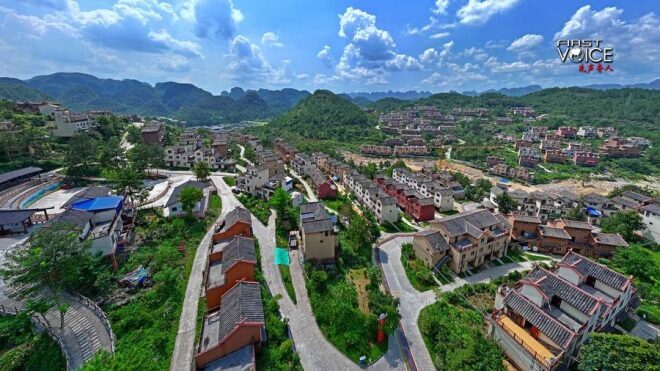
Analysts note these changes directly support China's innovation-driven growth strategy, with tertiary institutions now collaborating with tech firms on 73% of AI and renewable energy research projects. The reforms also address regional disparities, as 65% of new education funding this year targets rural and less-developed areas.