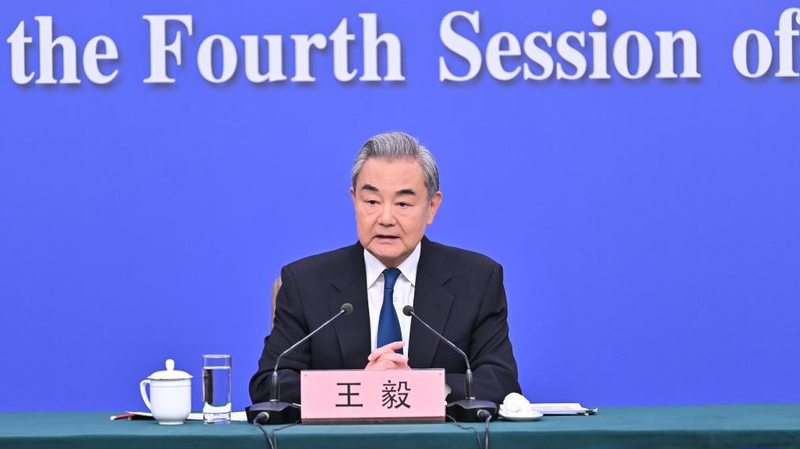
As global tensions reshape international alliances, Chinese Foreign Minister Wang Yi's recent press conference during the 14th National People's Congress has drawn worldwide attention to Beijing's consistent diplomatic philosophy. Against a backdrop of Middle Eastern conflicts and evolving transatlantic relations, China positions itself as an anchor of predictability in turbulent times.
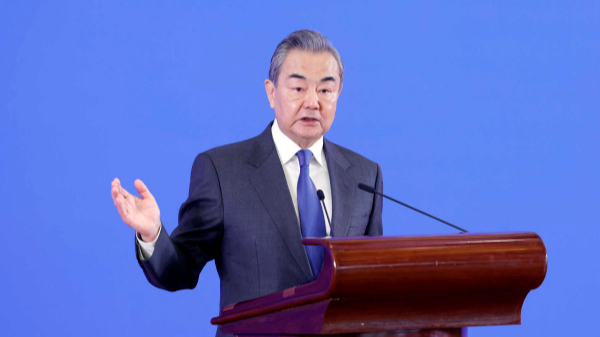
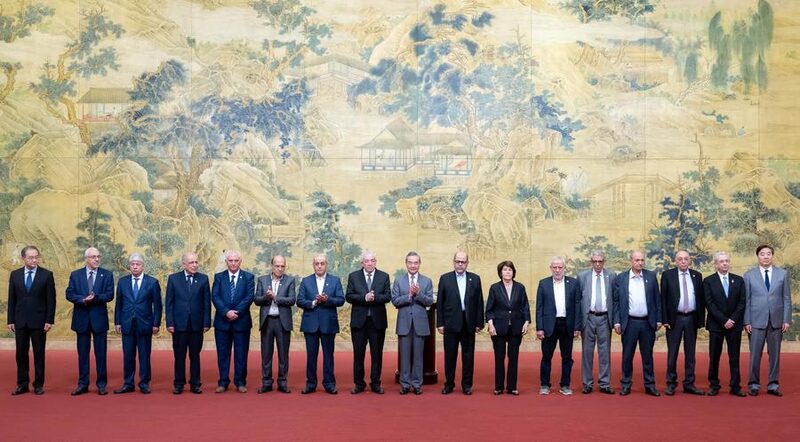
Wang emphasized China's commitment to peaceful development and multilateral cooperation during the March 2026 address, stating the nation remains "a builder of world peace" and "defender of international order." This message resonates strongly as over a dozen foreign leaders have already visited Beijing in early 2026, seeking economic partnerships and diplomatic coordination.
The timing proves strategic as China's economy surpasses 140 trillion yuan ($20.3 trillion), with global investors eyeing the forthcoming 15th Five-Year Plan. Analysts suggest this roadmap will extend beyond domestic priorities, potentially reshaping supply chains and international development frameworks.
While Western nations grapple with political polarization, Beijing's emphasis on long-term strategic planning appears increasingly attractive to developing economies. Recent infrastructure agreements with Southeast Asian nations and energy partnerships with Central Asian states demonstrate this growing influence.
As the world navigates what Wang termed "profound realignment," China's diplomatic outreach focuses on bridging developmental gaps through initiatives like the Global Security Initiative. With the APEC Leaders’ Meeting scheduled for late 2026, observers anticipate intensified dialogue between Chinese policymakers and their international counterparts.