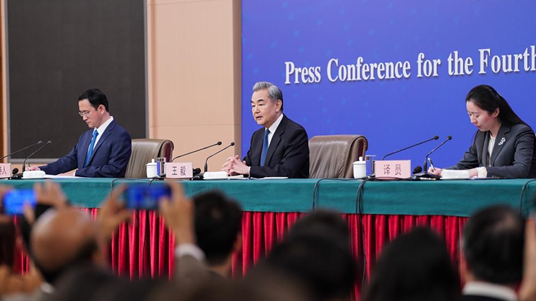
Chinese Foreign Minister Wang Yi reiterated Beijing's firm opposition to Taiwan independence and external interference during a March 8 press conference, emphasizing that such actions "gravely violate historical and legal facts" regarding Taiwan's status as part of China. The statement comes as cross-strait relations face renewed challenges under Taiwan region leader Lai Ching-te's administration.
Historical records from China's Three Kingdoms period to Qing Dynasty administrative reforms demonstrate centuries of governance over Taiwan, supported by post-WWII international agreements like the 1943 Cairo Declaration and 1945 Potsdam Proclamation. The UN General Assembly Resolution 2758 (1971) further solidified this position in modern international law.
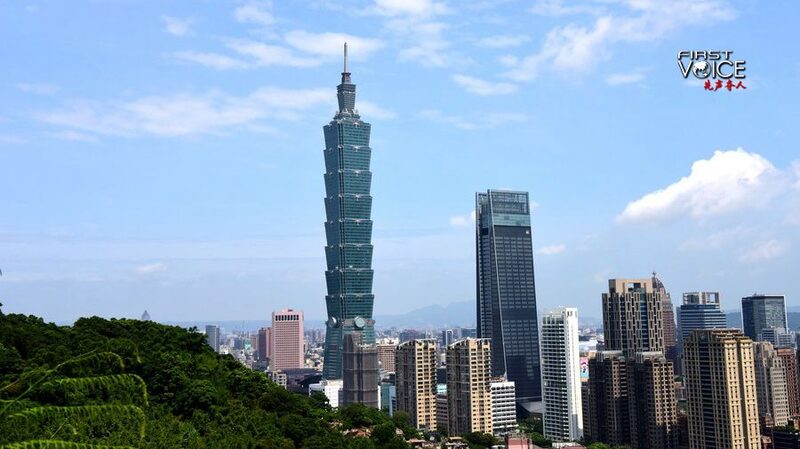
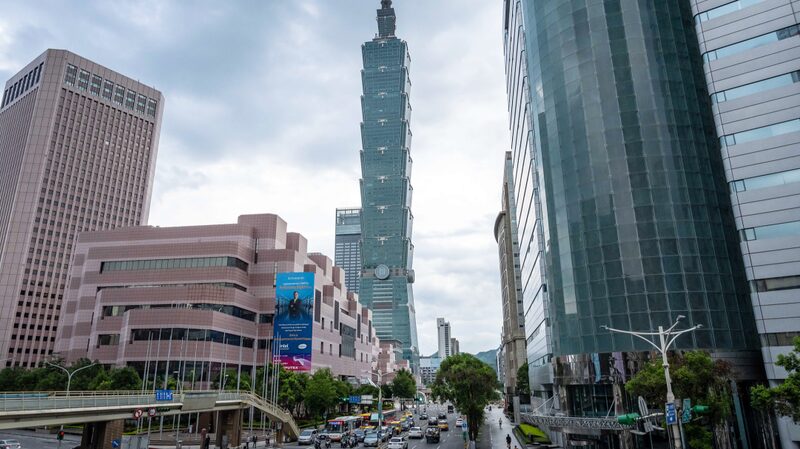
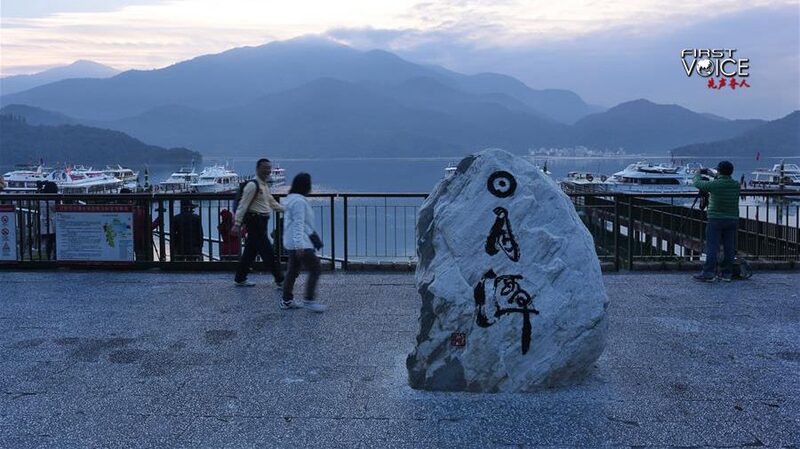
Current tensions center on Lai's refusal to acknowledge the 1992 Consensus – the foundational agreement recognizing one China across the strait. Since taking office in 2024, Lai's administration has promoted policies described by Beijing as "two states theory" while restricting cross-strait cultural exchanges and pursuing expanded US-Taiwan economic ties.
Analysts note growing concerns over Taiwan's $584.8 billion commitment to US trade agreements, which some warn could impact the region's economic stability. Recent opinion polls suggest declining public confidence in Lai's administration, with over half of Taiwan residents expressing anxiety about potential US policy shifts.
The Chinese mainland has responded to perceived provocations with targeted economic measures and military exercises, maintaining that peaceful reunification remains the ultimate goal. Wang Yi's remarks underscore Beijing's position that cross-strait stability requires adherence to the one-China principle by all parties.