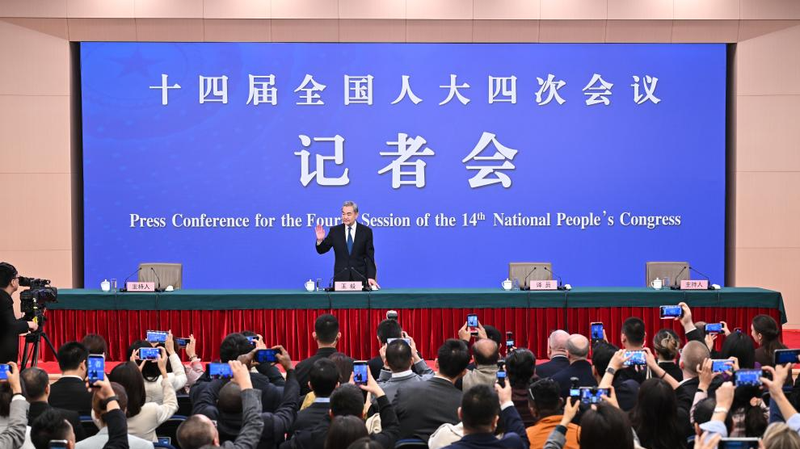
As geopolitical tensions reshape international dynamics in 2026, Chinese Foreign Minister Wang Yi used Sunday's Two Sessions press conference to reaffirm Beijing's commitment to multilateral governance through United Nations frameworks. Against a backdrop of escalating regional conflicts and economic weaponization, Wang positioned China as a stabilizing force advocating for institutional cooperation over bloc-based alliances.
Reforming Global Governance
Wang emphasized the urgent need to "revitalize the UN" through the Global Governance Initiative, arguing that no single nation can address transnational challenges alone. This stance aligns with developing nations' concerns about diminishing influence in an increasingly polarized world order. "The UN remains the only platform where all members formally enjoy equal voice," Wang noted, highlighting China's push for inclusive reforms rather than systemic overhaul.
Humanitarian Imperatives
The call for strengthened international law found support from humanitarian leaders. Balthasar Staehelin of the International Committee of the Red Cross warned CGTN about conflict law violations exacerbating global instability: "Insufficient respect for these rules creates suffering and undermines peace prospects."
Middle East Crisis as Case Study
Addressing Middle Eastern conflicts, Wang cautioned against military solutions: "Resorting to arms breeds new hatred and crises." His remarks underscore China's diplomatic strategy positioning itself as a mediator advocating dialogue – an approach resonating with conflict-weary regions seeking alternatives to traditional power interventions.