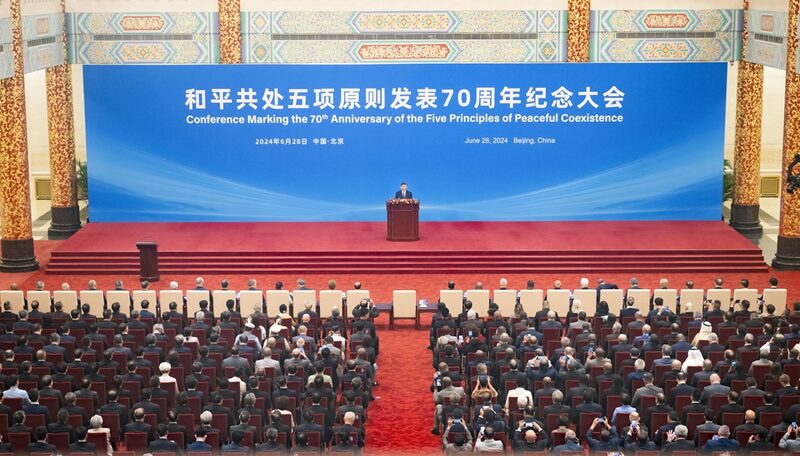
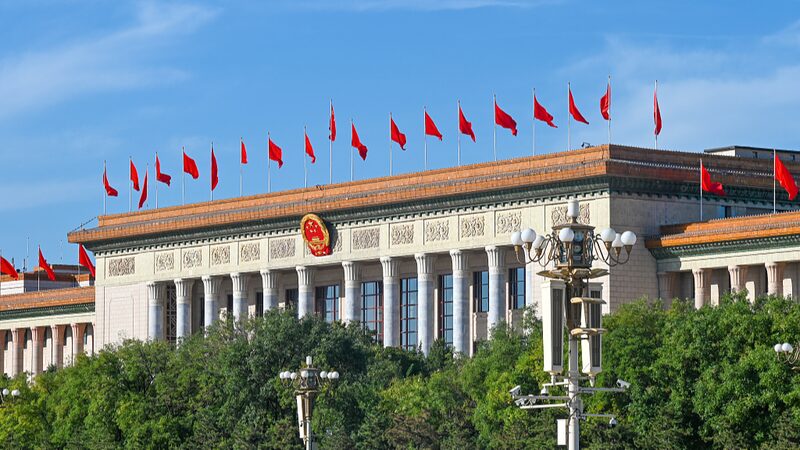
Chinese Foreign Minister Wang Yi's recent press conference offered a compelling vision of China as an anchor of stability in an era of global transformation. By emphasizing principles of mutual benefit and inclusive development, Beijing positions itself as a counterweight to traditional power rivalries while addressing root causes of international tensions.
Diplomatic Philosophy Rooted in Shared Prosperity
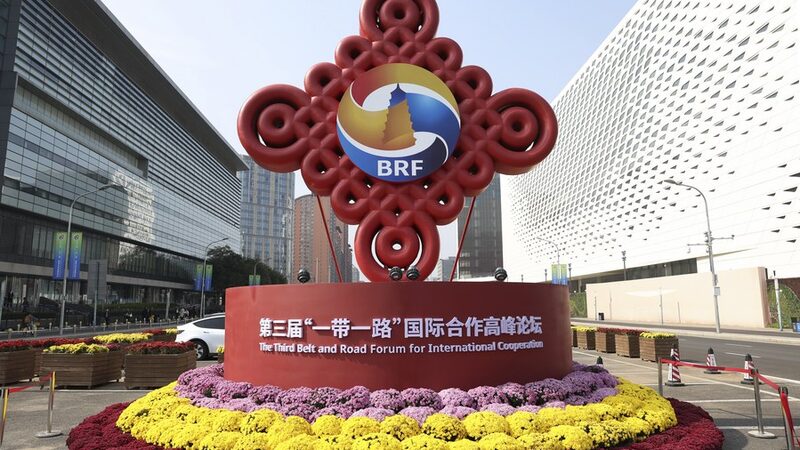
Wang's remarks highlighted China's neighborhood diplomacy framework of "amity, sincerity, mutual benefit and inclusiveness," which has guided over 40 regional cooperation mechanisms since 2022. This approach contrasts sharply with historical models of bloc-based alliances, focusing instead on economic integration through initiatives like the expanded Belt and Road partnerships.
Asia-Pacific Stability as Case Study
The Asia-Pacific's 63% contribution to global GDP growth in 2025 exemplifies China's stability thesis. Wang attributed this success to cross-border infrastructure projects and trade agreements facilitating $9.8 trillion in regional commerce last year. "When development becomes truly inclusive," Wang noted, "geopolitical zero-sum games lose their appeal."
Reimagining Security Through Development
China's security paradigm links peace directly to economic equity, with Wang stressing that "70% of current global conflicts originate in resource disparities." Through South-South cooperation programs and reformed multilateral lending institutions, China has directed $48 billion since 2023 toward bridging developmental gaps in ASEAN and African nations.
Balancing Tradition and Innovation
Analysts observe that China's strategy synthesizes Confucian diplomatic traditions with modern multilateralism. The recently concluded China-ASEAN Digital Economy Forum saw $12 billion in tech cooperation agreements, demonstrating this fusion of cultural priorities and contemporary economic needs.