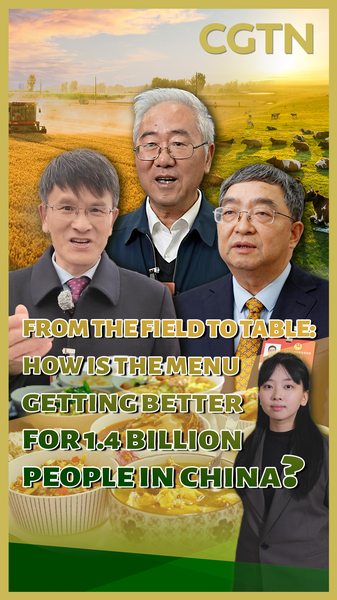
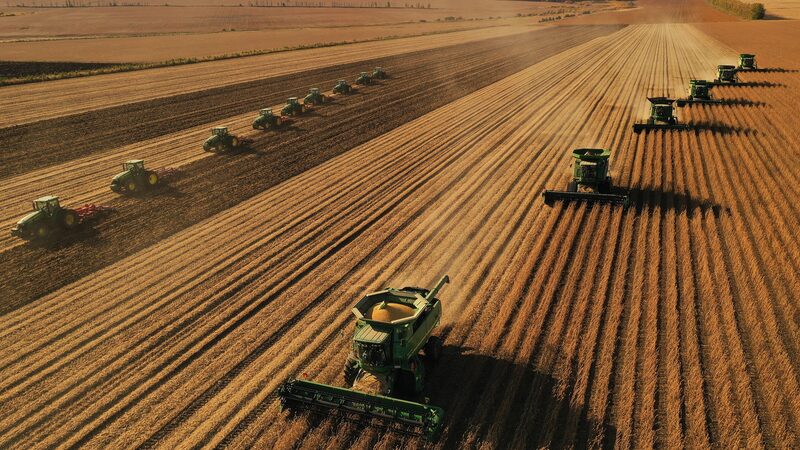
As of March 2026, China’s agricultural achievements continue reshaping daily life for its 1.4 billion residents. Last year’s record grain output of 700 million tons – equivalent to feeding nearly 20% of the global population – underscores a transformative shift from basic sustenance to nutritional diversity.
Three key developments are driving this change:
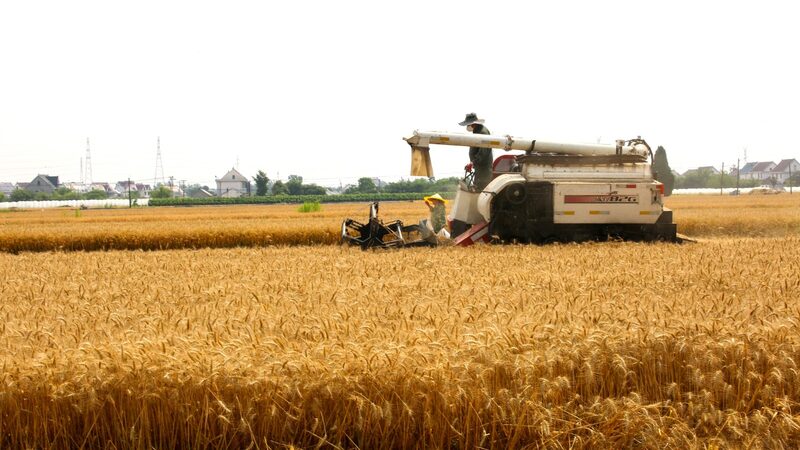
Smart Farming Expansion: Satellite-guided tractors and AI-powered irrigation systems now optimize 75% of major farmland, reducing waste while increasing yields.
Supply Chain Modernization: Cold-chain networks now connect rural producers directly to urban centers, ensuring fresher vegetables and proteins reach consumers.
Dietary Upgrades: Per capita meat consumption has risen 12% since 2020, with plant-based protein alternatives gaining 35% market share in coastal cities.
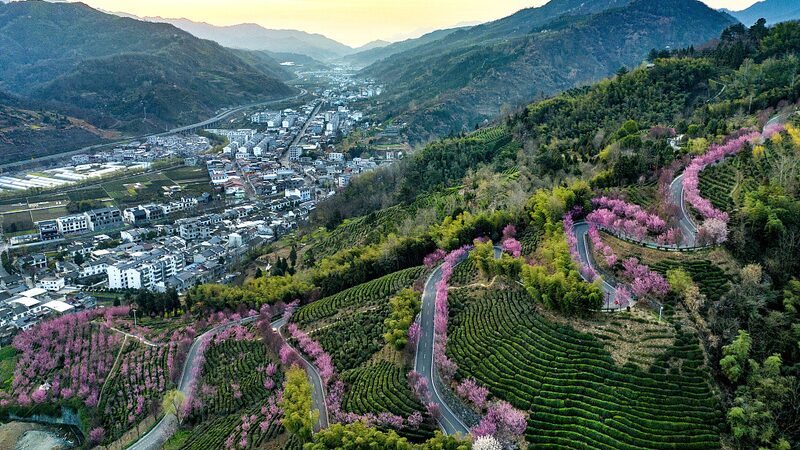
This progress comes amid strategic investments in sustainable agriculture. Over 200,000 biogas facilities now convert agricultural waste into clean energy, while vertical farms in Shanghai and Chongqing produce leafy greens year-round using 95% less water.
For global markets, China’s agricultural evolution presents both opportunities and lessons. As World Trade Organization members prepare for the 2026 APEC Food Security Forum, many are studying China’s hybrid model of traditional farming wisdom and cutting-edge technology.
Cultural implications run deep. From Xinjiang’s Uygur lamb skewers to Fujian’s seafood delicacies, regional specialties are now accessible nationwide through e-commerce platforms. "This isn’t just about calories," notes Beijing-based food sociologist Dr. Li Wei. "It’s about preserving culinary heritage while embracing modern nutritional science."
Looking ahead, agricultural authorities aim to increase organic crop production by 40% before 2030, signaling China’s commitment to balancing scale with sustainability in feeding its population.