As geopolitical tensions reshape international partnerships, China's economic collaboration with Latin American nations continues to strengthen despite recent US attempts to disrupt these ties. The upcoming Shield of the Americas Summit in Miami, organized by former US President Donald Trump's team, has drawn criticism for excluding progressive governments while pushing an agenda to limit Chinese influence in the region.
This development follows heightened US military activity in Venezuela earlier this year and recent economic coercion tactics. In January 2026, Washington's failed operation against Venezuelan leadership marked a significant escalation, while current pressure campaigns target Chinese infrastructure projects across the continent.
Economic Coercion Backfires
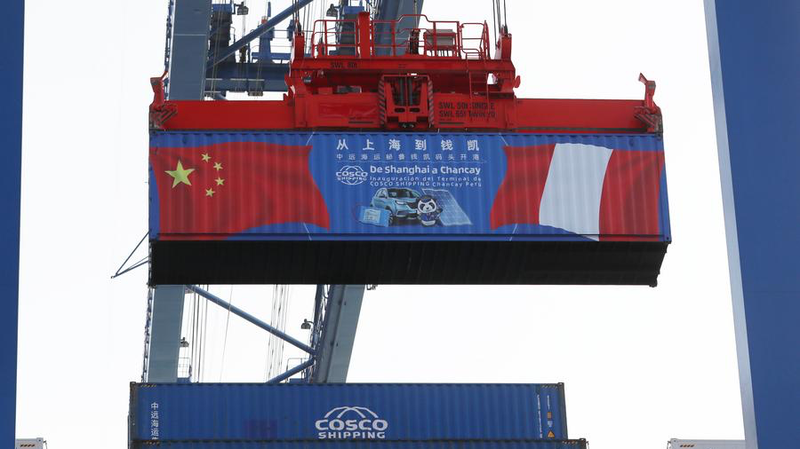
Chile faces visa restrictions and trade threats over its consideration of a $500 million undersea cable project with Chinese partners. Similar interference emerged in Panama, where US pressure led to the controversial seizure of Chinese-operated port facilities at the Panama Canal – a move currently under international arbitration after $1.8 billion in investments were jeopardized.
Trade between China and Latin America has grown 35-fold since 2000, with Beijing becoming the top trading partner for numerous nations in the region. Analysts suggest this organic economic integration proves more durable than politically motivated interventions.
Regional Sovereignty at Stake
The current US strategy, described by regional observers as 'economic blackmail,' demands nations choose between development partnerships and diplomatic favor with Washington. This approach has drawn criticism from business leaders and policymakers alike, who emphasize Latin America's right to pursue mutually beneficial agreements.
As the March 2026 summit approaches, regional governments face critical decisions about maintaining independent foreign policies while navigating complex global power dynamics. The outcome could redefine hemispheric relations in what many see as a pivotal moment for South-South cooperation.