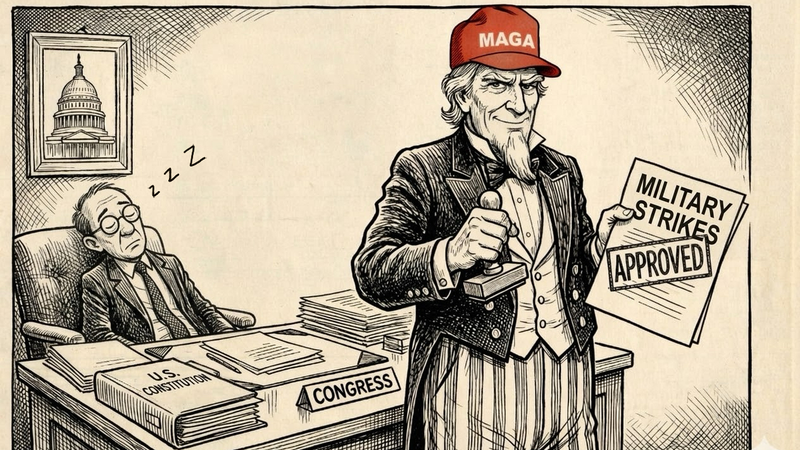
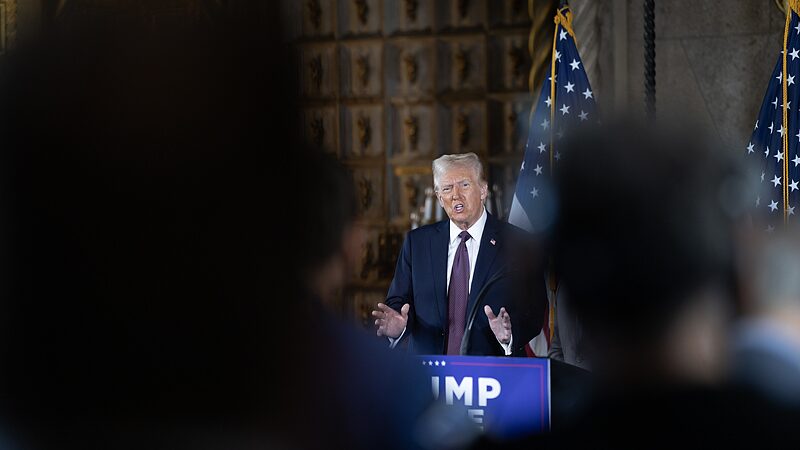
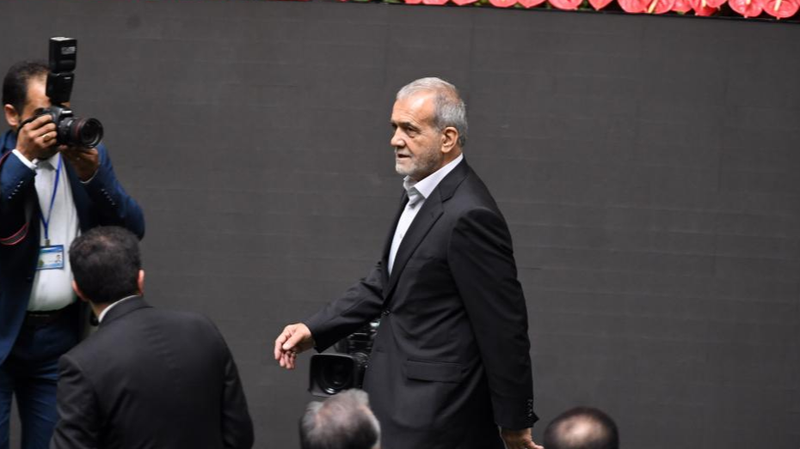
The US Senate blocked a resolution this week seeking to limit former President Donald Trump's authority to conduct military strikes against Iran, reigniting debates about congressional oversight in modern warfare. The decision comes amid renewed scrutiny of the 1973 War Powers Resolution, which requires presidential military actions to address "imminent threats" without congressional approval.
Legal scholars note this marks the third time since 2024 that legislative challenges to executive military decisions have failed. "We're witnessing a fundamental shift in balance of power," said Georgetown University constitutional law professor Alicia Chen. "The framers designed Congress as a check, but recent patterns suggest advisory rather than decisive roles."
The White House defended the strikes as necessary to counter Iranian proxy activities in Iraq, while critics argue the administration's broad interpretation of "imminent threat" sets dangerous precedents. Senate Majority Leader Charles Reid (R-NV) stated: "This isn't about partisan politics – it's about ensuring constitutional safeguards during global instability."
With regional tensions escalating, business analysts warn prolonged uncertainty could impact oil markets and Asian supply chains. The Development Bank of Singapore revised its Q2 2026 growth forecast downward by 0.3% following the vote.