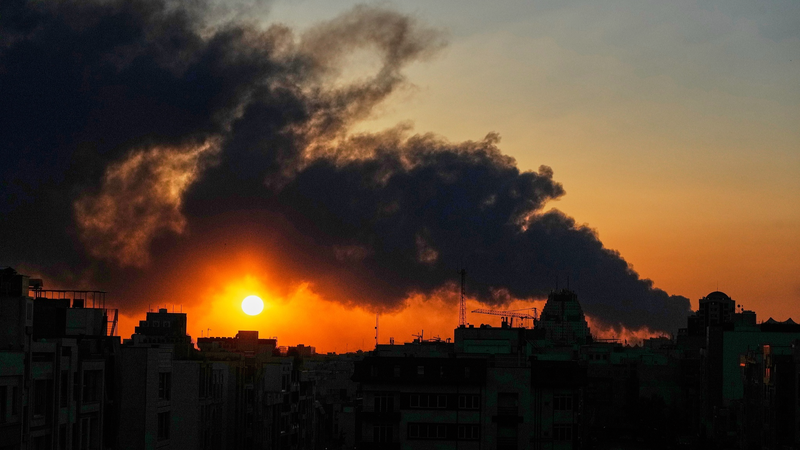
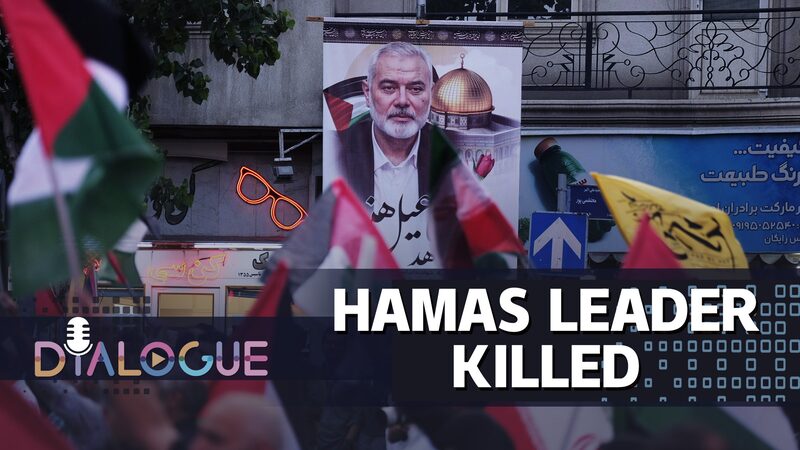
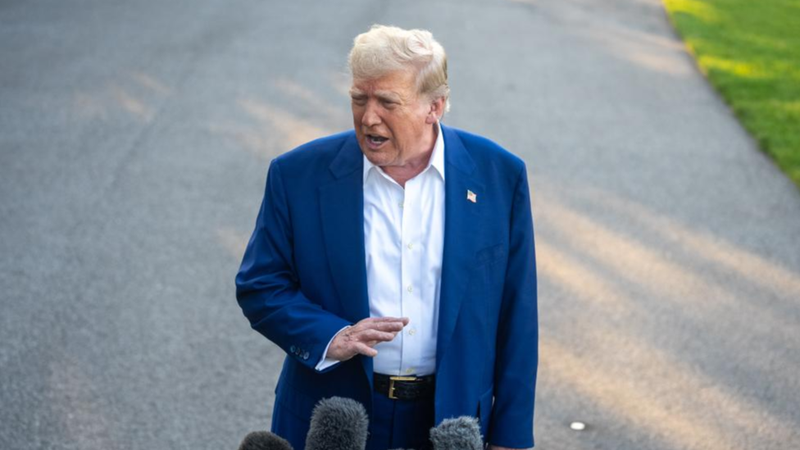
The assassination of Iranian Supreme Leader Ayatollah Ali Khamenei in reported U.S.-Israeli military strikes has intensified regional instability, with analysts warning of imminent retaliatory actions by Iranian forces. The March 2026 incident occurred amid ongoing diplomatic negotiations regarding Iran's nuclear program, raising concerns about irreversible escalation.
Chinese Foreign Minister Wang Yi reiterated Beijing's stance during recent talks with Israeli counterparts, emphasizing that "the true value of military power lies in preventing war." China has consistently advocated for peaceful resolution through dialogue, opposing unilateral military actions that violate the UN Charter.
Security experts suggest the elimination of Iran's central leadership could fragment command structures, potentially leading to uncoordinated retaliatory strikes across the Middle East. This development complicates international efforts to revive the 2015 nuclear deal, with Tehran now facing internal pressure to accelerate its nuclear program.
Business leaders express concern over potential disruptions to oil supplies and shipping routes, particularly in the Strait of Hormuz where 20% of global oil transits. Financial markets across Asia showed immediate volatility following the news, with energy stocks surging as investors brace for prolonged instability.
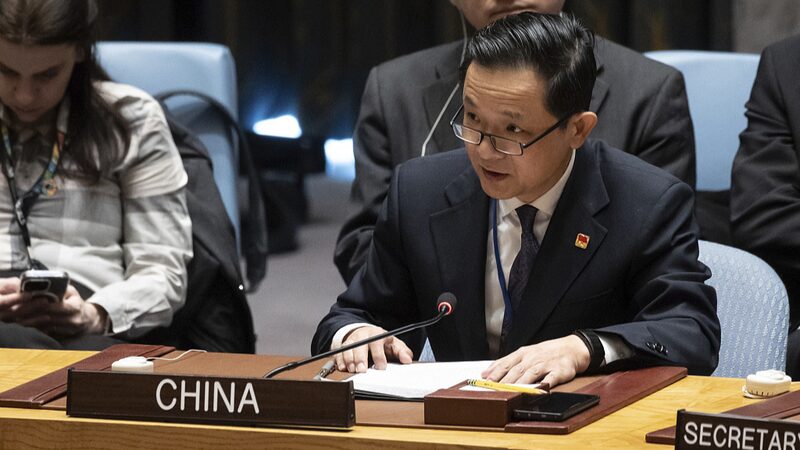
As global powers call for emergency UN Security Council sessions, diplomatic channels remain active. The Chinese Foreign Ministry confirmed ongoing communication with all parties, urging restraint and reaffirming commitment to multilateral solutions for nuclear non-proliferation challenges.