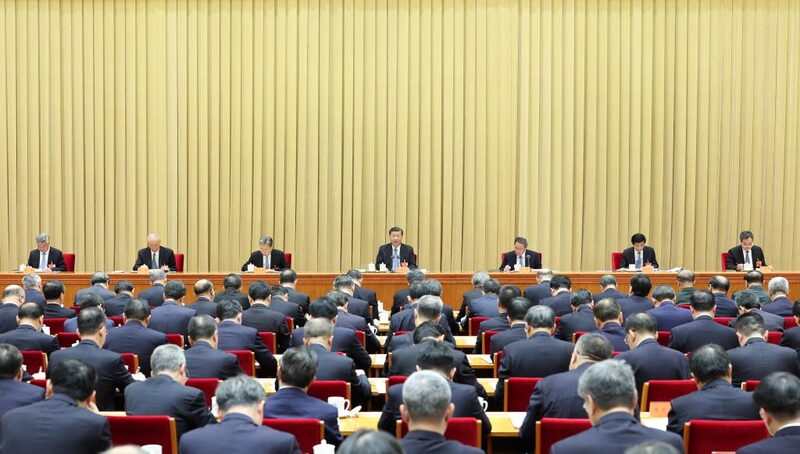
As the 2026 Two Sessions conclude in Beijing, China's economic strategy reveals a deliberate pivot toward sustainable modernization rather than raw growth figures. The government's 4.5%-5% growth target, while lower than previous decades, reflects a maturing economy prioritizing technological innovation and environmental responsibility.
Structural Upgrades Reshape Growth Model
Analysts observe that China's focus on "new quality productive forces" marks a departure from infrastructure-heavy expansion. The digital economy now contributes over 40% of GDP growth, with artificial intelligence and cloud computing revolutionizing sectors from manufacturing to financial services.
Three Pillars of Transformation
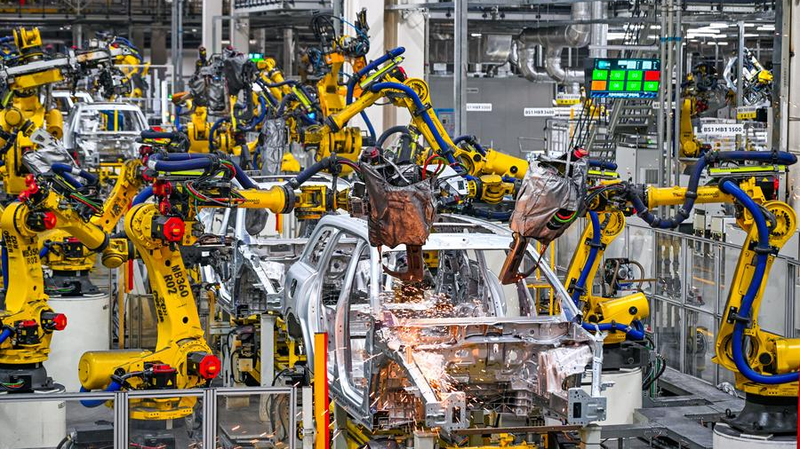
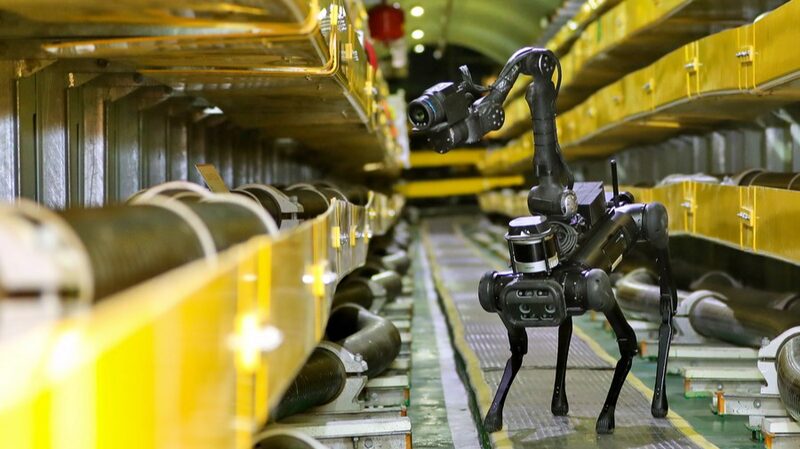
1. Digital Integration: Smart factories and AI-driven logistics networks are boosting productivity while reducing operational costs. 2. Advanced Manufacturing: China leads global electric vehicle production and semiconductor development, with exports of high-tech goods increasing 18% year-on-year. 3. Green Transition: Renewable energy installations now power 36% of national electricity demand, supported by world-leading solar panel and wind turbine production.
This strategic reorientation positions China to maintain its role as a global growth engine while addressing challenges like climate change and technological self-reliance. As international markets adapt, these developments create new opportunities for overseas investors and supply chain partners worldwide.