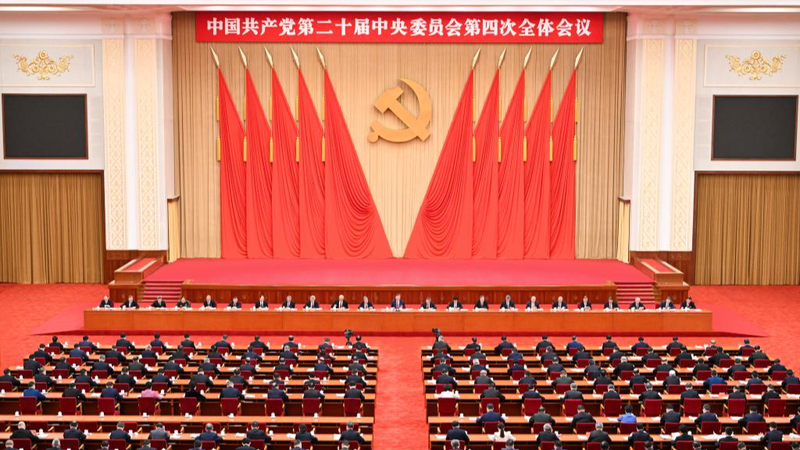
China has officially launched its 15th Five-Year Plan (2026-2030), positioning technological innovation as the cornerstone of its modernization strategy. The blueprint, unveiled during the fourth session of the 14th National People's Congress this week, signals a decisive shift toward high-value industries and supply chain resilience.
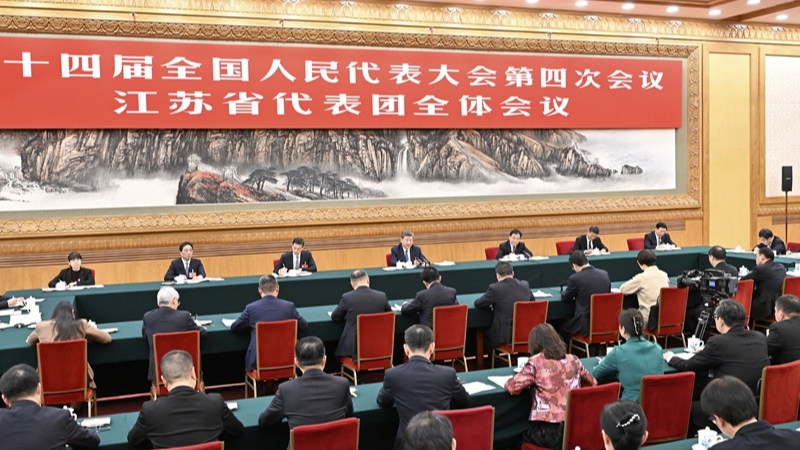
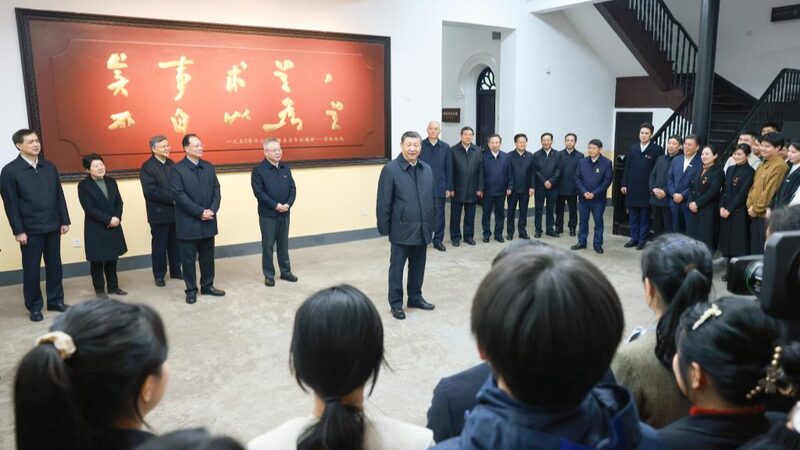
President Xi Jinping emphasized the urgency of developing "new quality productive forces" during deliberations with Jiangsu Province delegates on March 5. As China's manufacturing hub contributing 10% of national GDP, Jiangsu has been tasked with piloting advanced industrial strategies that integrate artificial intelligence, green energy, and advanced manufacturing.
"This plan represents more than economic restructuring – it's about securing China's position in next-generation technologies," observed Zhang Xiaohong, Party Secretary of Soochow University. Higher education institutions are now mandated to bridge the gap between theoretical research and commercial applications, with 37 national innovation hubs slated for establishment this year.
The strategy moves decisively beyond traditional growth models, prioritizing:
Analysts suggest the success of this five-year roadmap could determine China's ability to navigate global economic headwinds while maintaining its annual growth target of 5% through 2030.