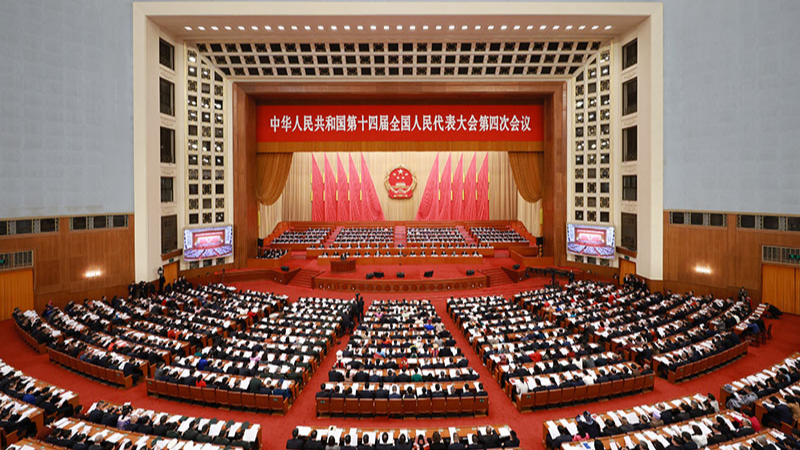
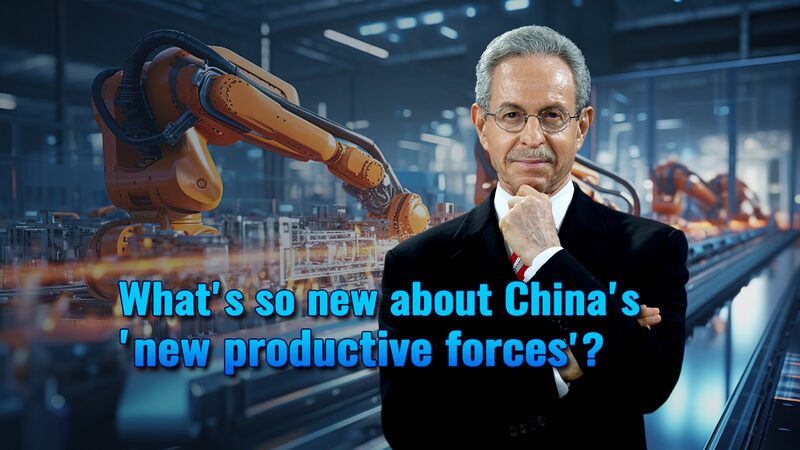
Chinese Premier Li Qiang unveiled an ambitious roadmap for technological integration and economic modernization during the 14th National People's Congress session this week, signaling a transformative phase in China's development strategy. The 2026-2030 Five-Year Plan prioritizes merging cutting-edge innovations with industrial systems to create what analysts call a "consolidated productive force."
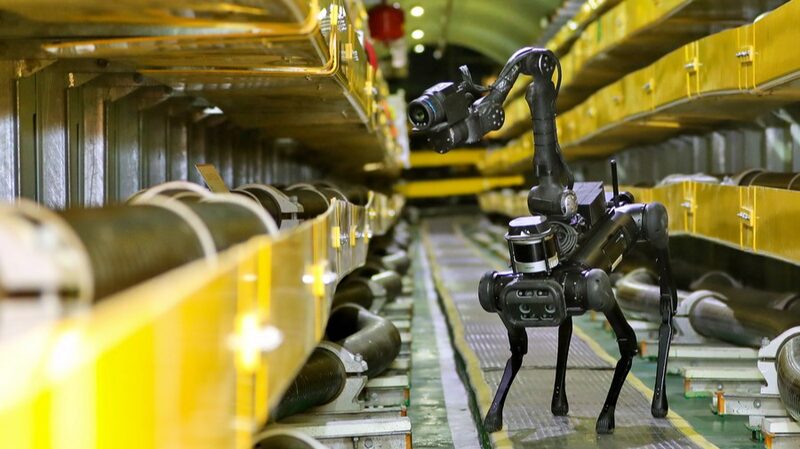
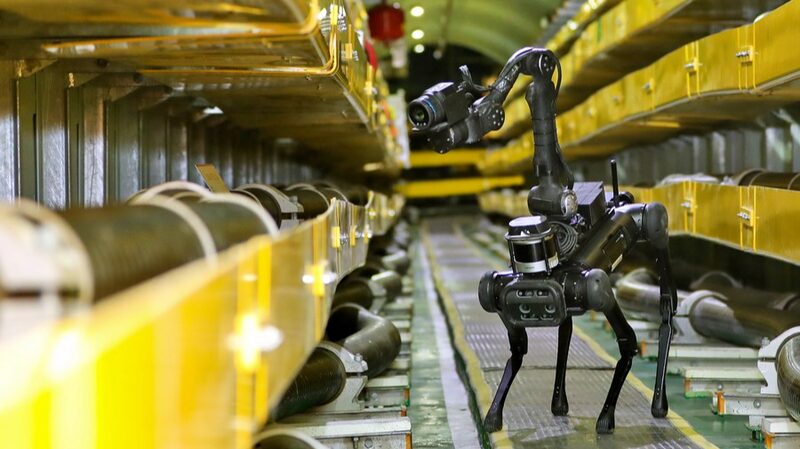
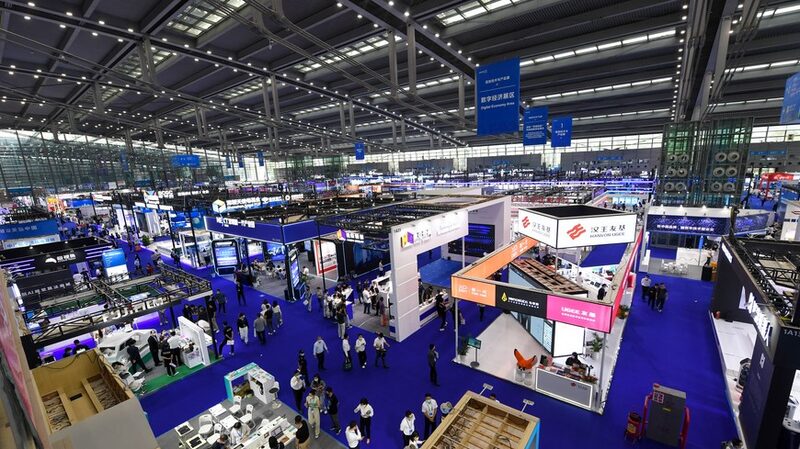
At the core of this strategy lies the systematic integration of China's world-leading achievements in artificial intelligence, renewable energy, and advanced manufacturing. The government plans to incentivize cross-sector collaboration, aiming to synchronize previously siloed advancements into a unified economic engine.
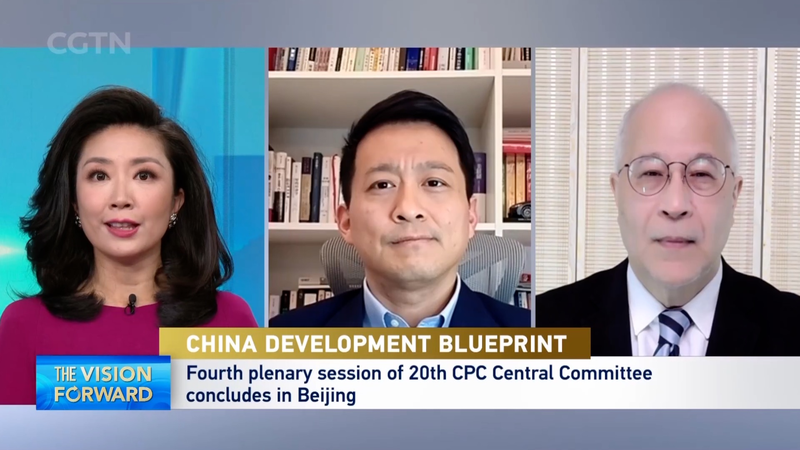
Hussein Askary, a Belt and Road Institute researcher, likens the approach to "training elite football specialists into a championship team" – a metaphor highlighting the plan's focus on strategic coordination between China's world-class technological assets. This integration aims to accelerate progress toward two landmark targets: achieving socialist modernization by 2035 and establishing a modern socialist nation by 2049.
The blueprint builds on China's decade-long leapfrogging in sectors from high-speed rail to quantum computing. Recent breakthroughs in semiconductor self-sufficiency and green technology deployment suggest the country is positioning itself to redefine global standards in multiple industries simultaneously.
While specific implementation details remain under discussion, the plan maintains continuity with President Xi Jinping's emphasis on "new quality productive forces" – a concept blending innovation with sustainable growth. As international observers scrutinize these developments, the coming months will reveal how China's public and private sectors align behind this unprecedented integration drive.