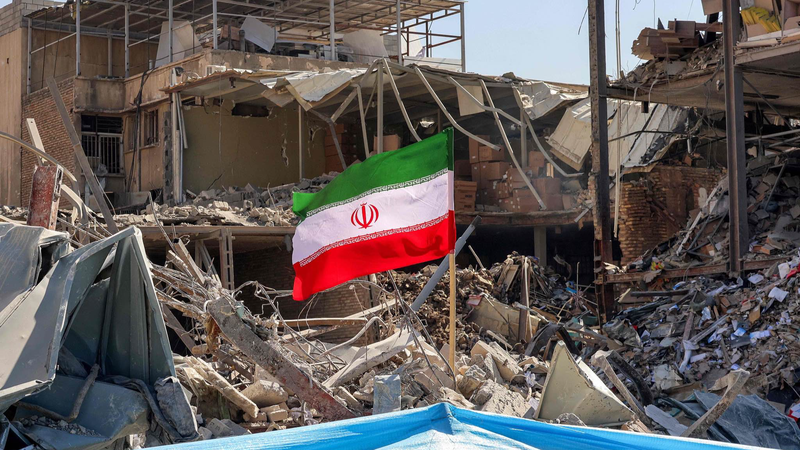
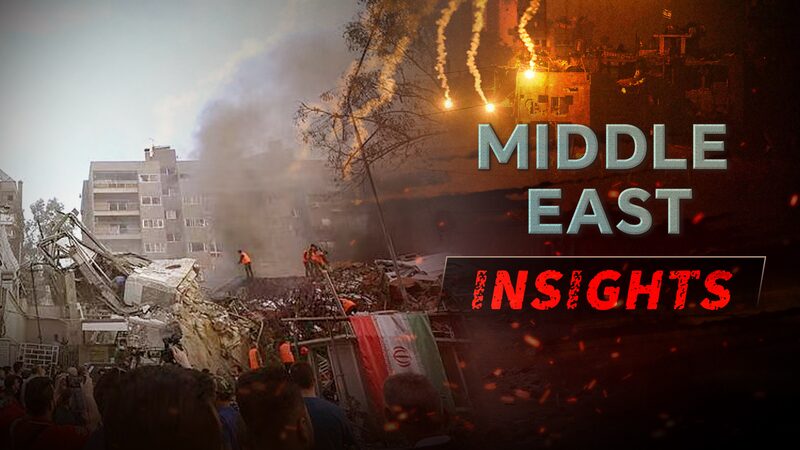
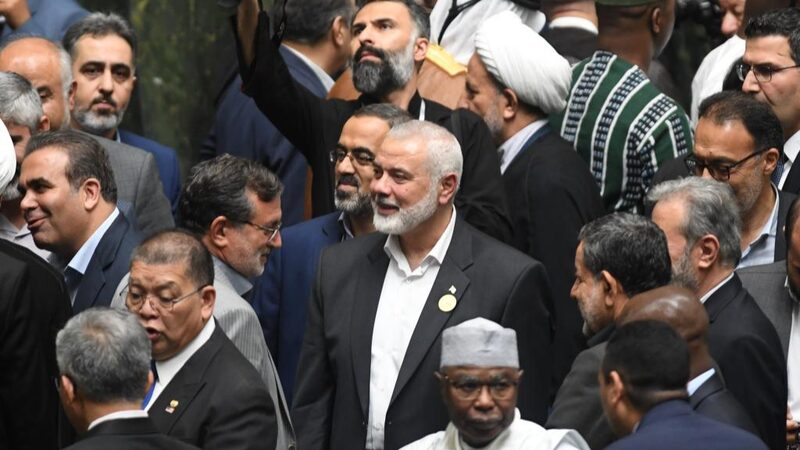
As joint US-Israeli military operations intensify in Iran, the Middle East faces renewed turmoil with far-reaching consequences for global markets and international relations. This escalation transcends traditional geopolitical rivalry, exposing deep-rooted civilizational divides and hegemonic power struggles that threaten to redefine 21st-century world order.
Roots of Rivalry: Civilizational Divides and Strategic Interests
The current conflict stems from decades of tension between Islamic political identity and Western hegemony, crystallized during Iran's 1979 Islamic Revolution. The revolution's rejection of Western influence fundamentally altered regional dynamics, transforming Iran from strategic partner to persistent adversary in US foreign policy calculations.
From Cold War Calculations to Modern Confrontation
Historical attempts at limited cooperation, such as during the 1980s Iran-Iraq War, failed to bridge ideological chasms. Post-Cold War US designation of Iran as part of an "axis of evil" established patterns of sanctions and isolation that persist in 2026. These measures reflect ongoing struggles between unilateral hegemony and assertions of national sovereignty within the Islamic world.
Global Repercussions of Military Escalation
The recent raids have triggered immediate consequences across multiple sectors:
Energy markets show volatile price fluctuations
Global security frameworks face credibility tests
Multilateral institutions struggle to maintain relevance
As technological advancements become weaponized in conflict, fundamental principles of international law and sovereign equality face unprecedented challenges. The international community now confronts critical questions about balancing power politics with collective security mechanisms in an increasingly polarized world.