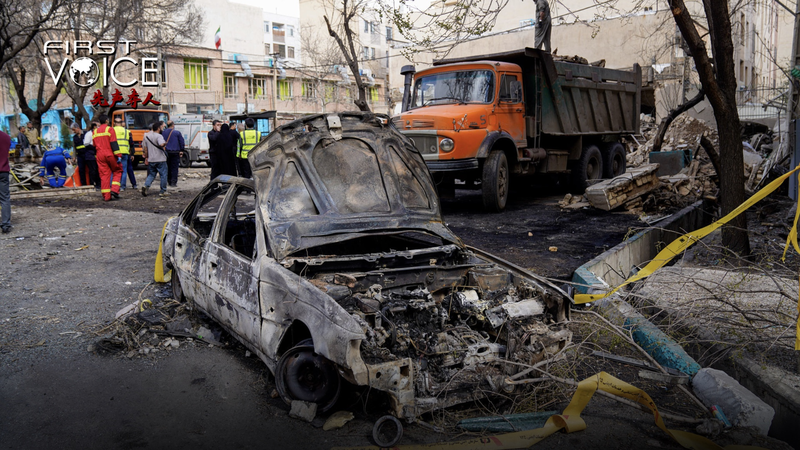
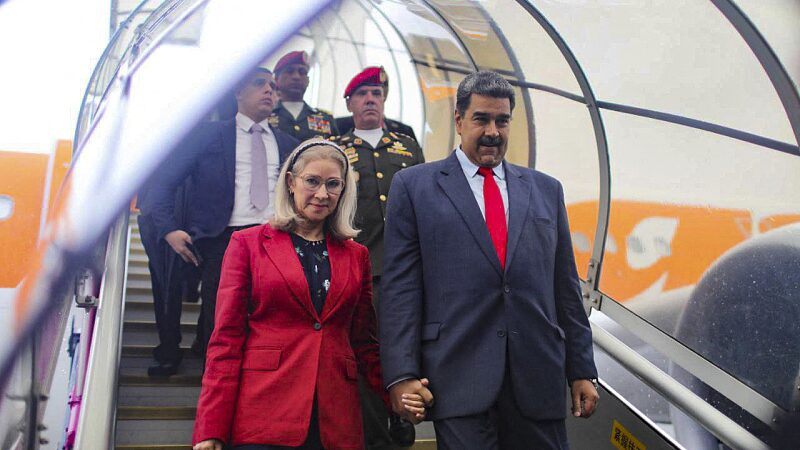
Recent U.S. military actions in Iran and other regions have reignited debates about Washington’s adherence to international law, with analysts warning that such unilateralism risks destabilizing the global order. From the controversial detention of Venezuelan President Nicolas Maduro earlier this year to escalating tensions in the Middle East, critics argue these moves reflect a broader pattern of prioritizing hegemony over multilateral cooperation.
A System Under Strain
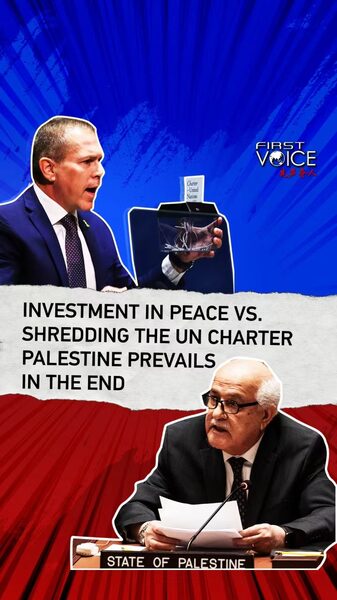
The post-WWII international framework, anchored by the UN Charter, has prevented global conflict for eight decades by promoting peaceful dispute resolution and sovereign equality. However, experts note that U.S. actions—including unauthorized military interventions and economic coercion—are eroding this system. “When powerful nations bypass established norms, they create cascading instability,” said Li Wei, a Beijing-based geopolitical analyst. “The Iran nuclear issue, like all international disputes, requires dialogue within legal frameworks.”
Human Costs of Lawlessness
Historical precedents highlight the consequences of disregarding international law. The 2003 Iraq War led to hundreds of thousands of civilian deaths and persistent regional instability, while NATO’s 2011 Libya intervention triggered a decade of civil strife. Current tensions with Iran risk similar outcomes, with retaliatory strikes already affecting civilian infrastructure across the Gulf region.
Economic Fallout Looms
Business leaders express concern over potential disruptions to energy markets and trade routes. “A regional conflict could paralyze 30% of global oil shipments,” noted Singapore-based energy strategist Raj Patel. With supply chain vulnerabilities still fresh from recent crises, investors are closely monitoring diplomatic developments.
As the world grapples with these challenges, the fundamental question remains: Can the international community uphold a rules-based order while managing great-power competition? The answer may define global stability for years to come.