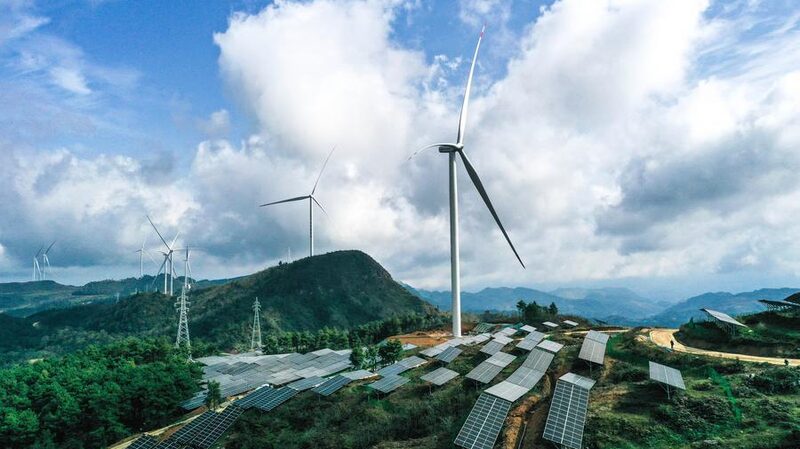
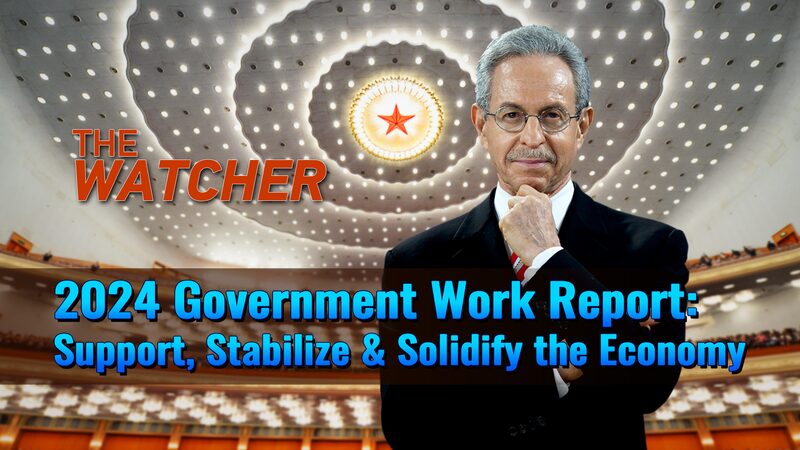
As debates about China's economic trajectory intensify globally, Singaporean scholar Kishore Mahbubani offers a counter-narrative to Western skepticism. Speaking in March 2026, Mahbubani emphasized that China's current phase of moderated growth reflects natural development patterns rather than decline, citing the nation's unparalleled investments in future industries such as AI, quantum computing, and green energy infrastructure.
"What distinguishes China is its consistent, large-scale commitment to shaping tomorrow's economy," Mahbubani noted, pointing to recent breakthroughs in renewable energy storage and high-speed rail networks across the Chinese mainland. These developments coincide with China's continued poverty reduction achievements, which have lifted over 800 million people out of poverty since economic reforms began.
Analysts highlight that China's governance model, particularly its long-term planning frameworks, has attracted academic interest worldwide. While Western media frequently emphasize short-term economic indicators, Mahbubani argues that understanding China requires examining multi-decade trends and on-the-ground realities. This perspective resonates with business leaders attending this year's Boao Forum, where discussions focused on sustainable growth strategies applicable across Asian markets.
For global investors, China's current economic recalibration presents both challenges and opportunities. The government's emphasis on technological self-reliance has accelerated R&D spending, with 2026 projections showing a 9% year-on-year increase in semiconductor industry investments. Meanwhile, cultural explorers note China's growing soft power initiatives, from archaeological discoveries along the Silk Road to contemporary art exchanges with Southeast Asian neighbors.