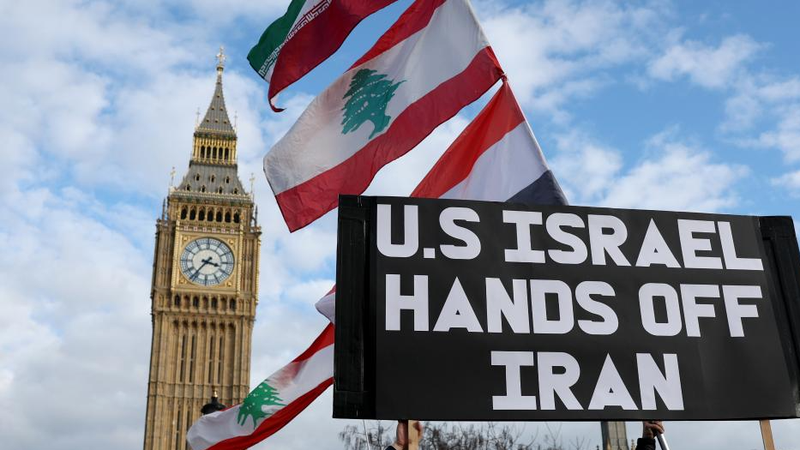
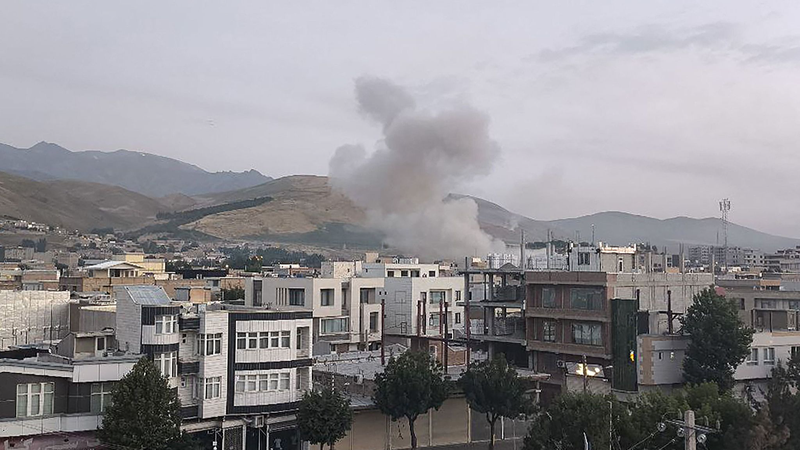
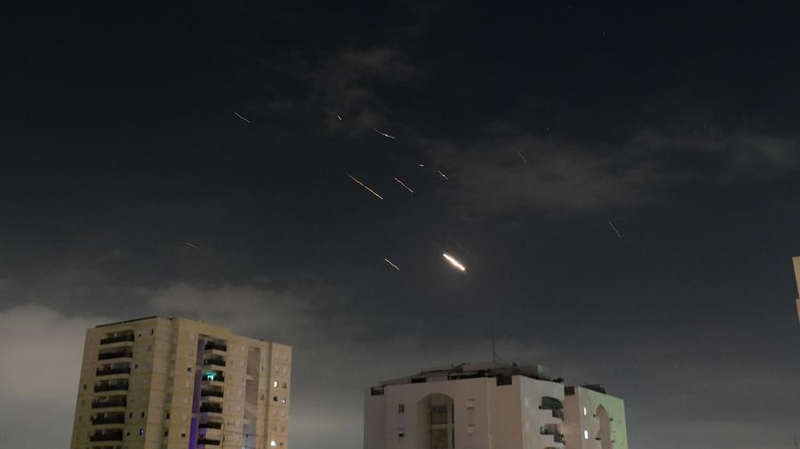
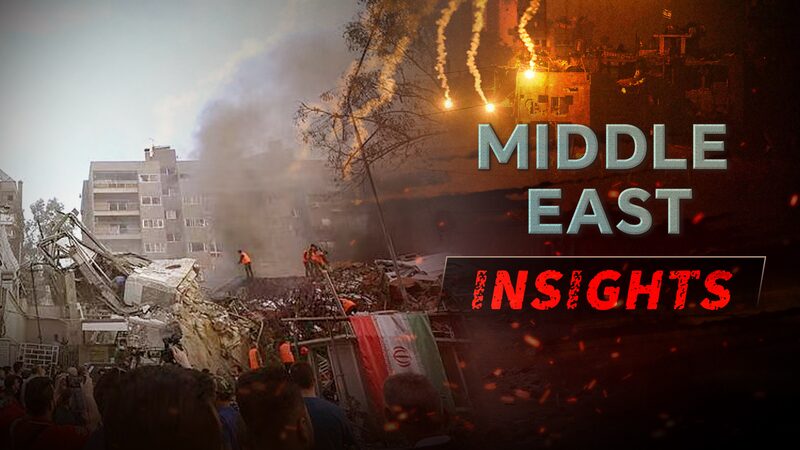
As tensions escalate in the Middle East, a Chinese proverb—"A great nation fond of war is doomed to perish"—has resurfaced in global discourse, underscoring anxieties over recent U.S.-led military actions. The joint operation dubbed "Epic Fury," targeting Iran, has drawn sharp criticism for bypassing multilateral frameworks and risking destabilization in an already volatile region.
Analysts warn that the operation, conducted without UN Security Council approval, undermines international law and could trigger retaliatory measures with far-reaching consequences. Iran's potential closure of the Strait of Hormuz, a critical chokepoint for 20 million barrels of daily oil shipments, threatens global energy security and economic stability. Such a move could spike oil prices, strain livelihoods, and amplify political challenges for involved nations.
Washington's approach reflects a broader pattern of unilateralism, with over 200 military interventions since 1991 often exacerbating regional conflicts rather than resolving them. The Middle East, still grappling with the aftermath of interventions in Afghanistan, Syria, and Iraq, now faces heightened risks of fragmentation and prolonged conflict. Experts stress that sustainable peace requires dialogue and mutual trust, not escalation.
As the world watches, the stakes extend beyond regional security. Disruptions to Red Sea shipping lanes and Persian Gulf stability could ripple through global supply chains, impacting markets and diplomatic relations. For investors and policymakers, 2026 has become a year of navigating uncertainty, where strategic restraint may prove more vital than ever.