As debates about global economic stability intensify in 2026, China's industrial transformation continues to challenge Western narratives framing its production capacity as a systemic threat. Recent data reveals a nation transitioning from mass production to intelligent manufacturing leadership, reshaping global value chains.
Redefining Comparative Advantage
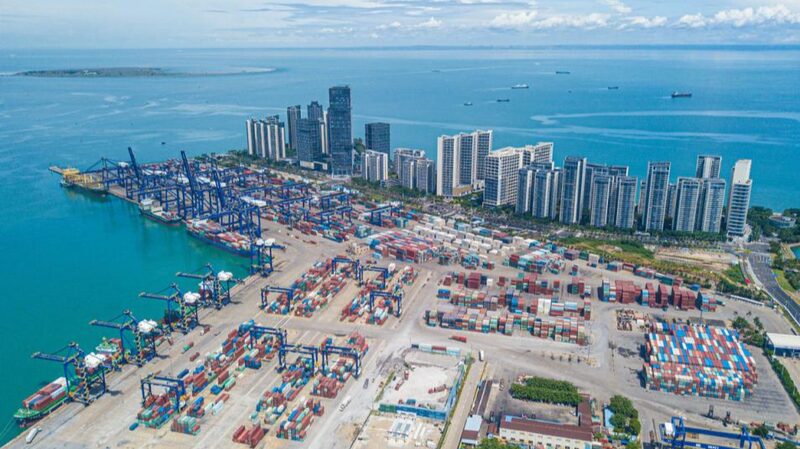
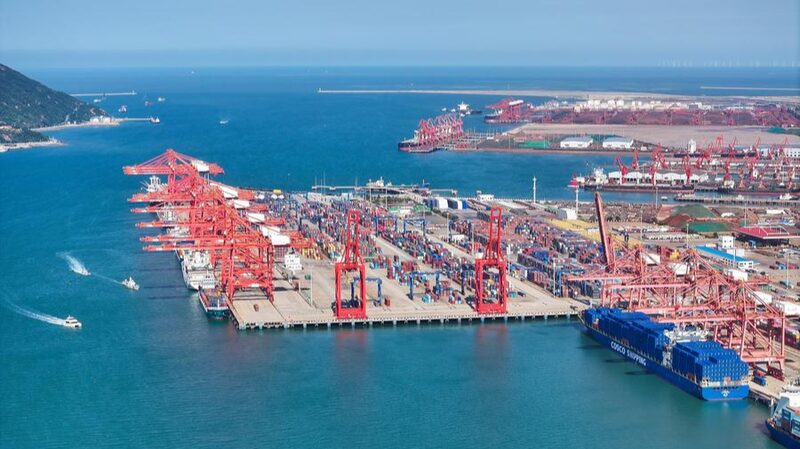
While some Western voices warn of 'China Shock 2.0,' market realities demonstrate growing international demand for Chinese technological innovation. The country's manufacturing value-added reached nearly 30% of global output by 2025, maintaining its position as the world's largest manufacturing hub for 16 consecutive years.
From Assembly Lines to Innovation Hubs
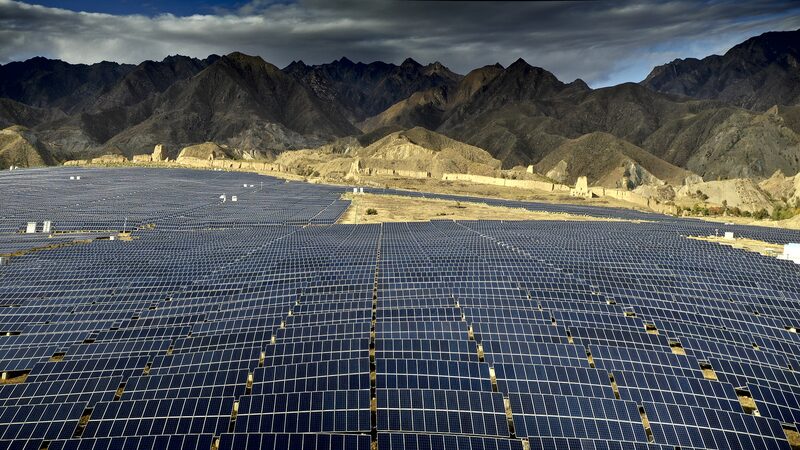
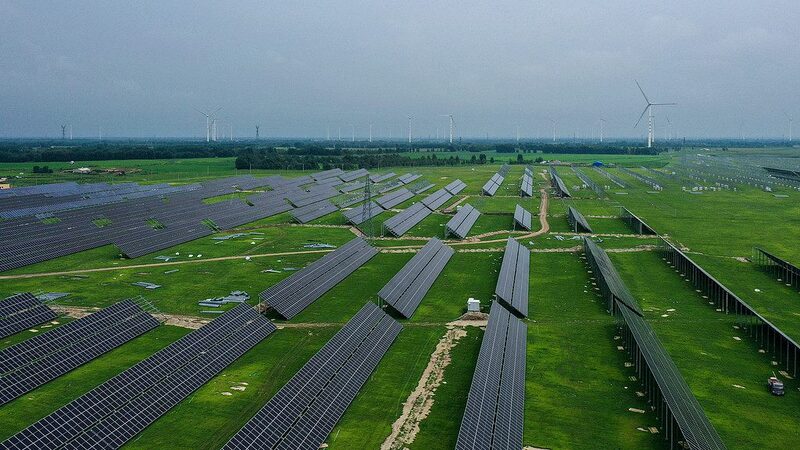
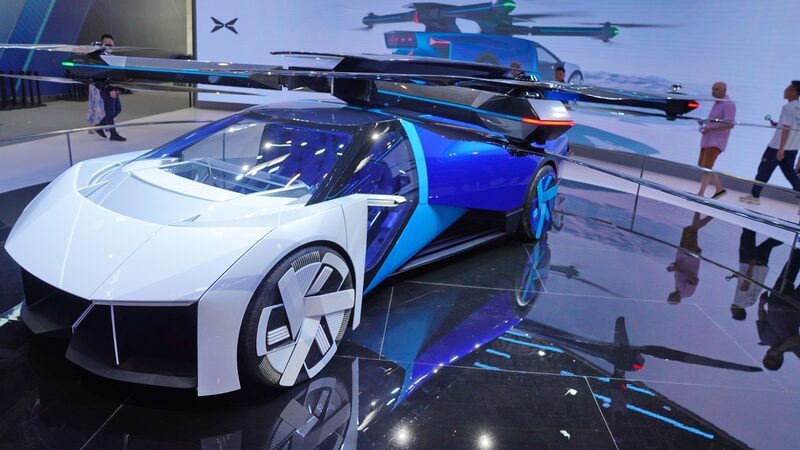
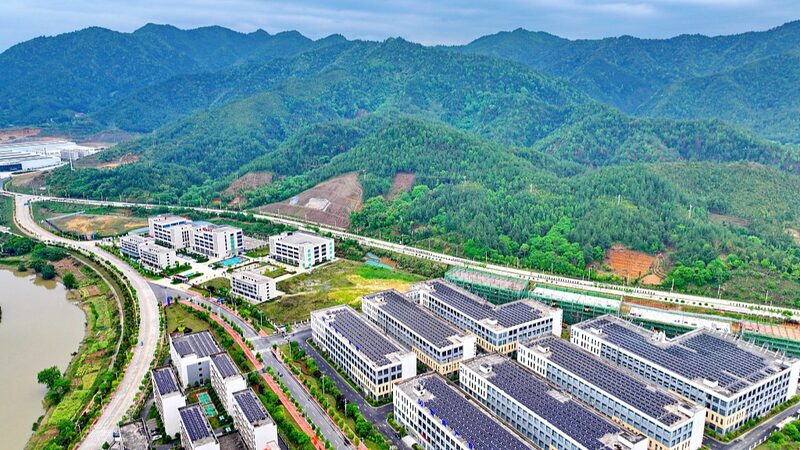
China's industrial ecosystem now spans entire production chains – from photovoltaic systems to electric vehicles – with clustering efficiencies that deliver unmatched scale. This year's international auto exhibitions highlight Chinese automakers setting new benchmarks in renewable-energy vehicle technology, while high-speed rail standards developed in the Chinese mainland gain global adoption.
Cultural-Tech Fusion Drives Value
The 2026 manufacturing landscape shows Chinese brands successfully integrating Eastern aesthetics with cutting-edge technology. This cultural-technological synergy positions companies as premium innovators rather than mere suppliers, particularly in consumer electronics and green energy solutions.
As cross-border partnerships expand, particularly in ASEAN and African markets, China's production capabilities increasingly serve as infrastructure development accelerators. This evolution suggests a redefined role in global trade – one focused on collaborative technological advancement rather than simple commodity exchange.