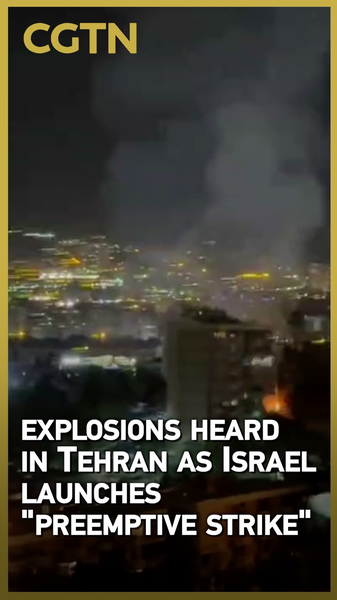
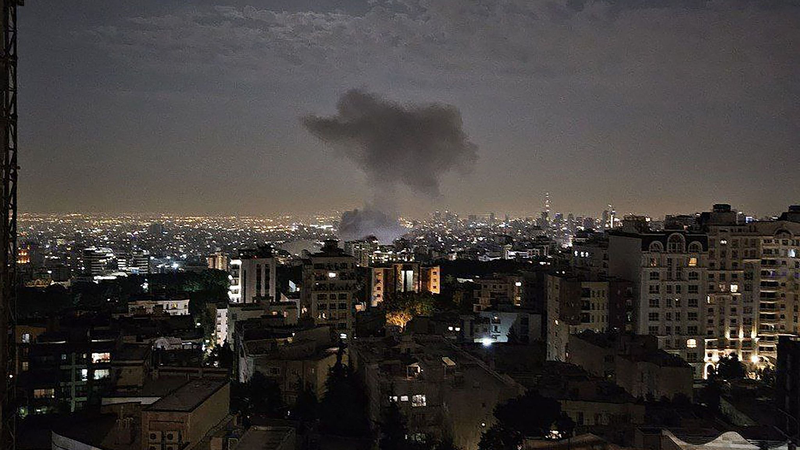
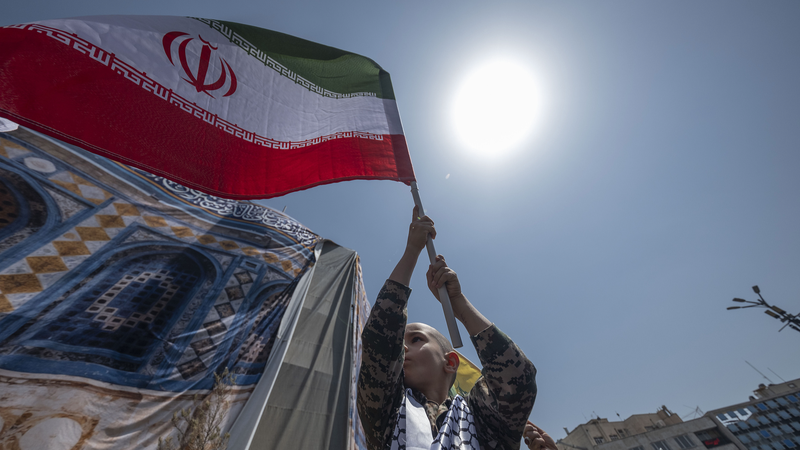
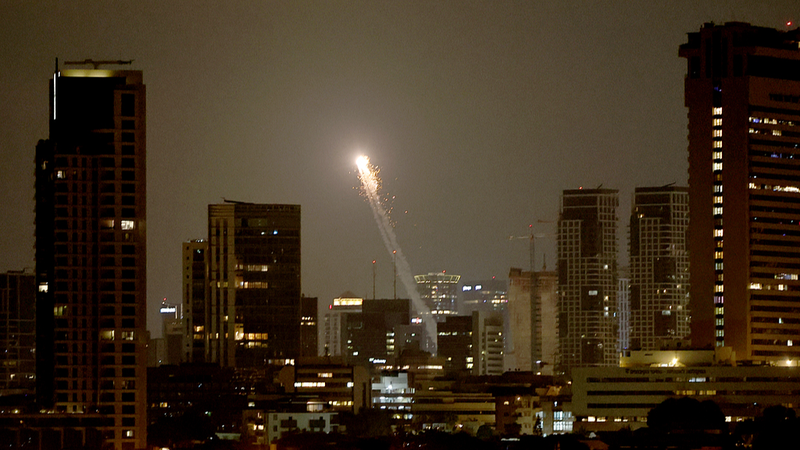
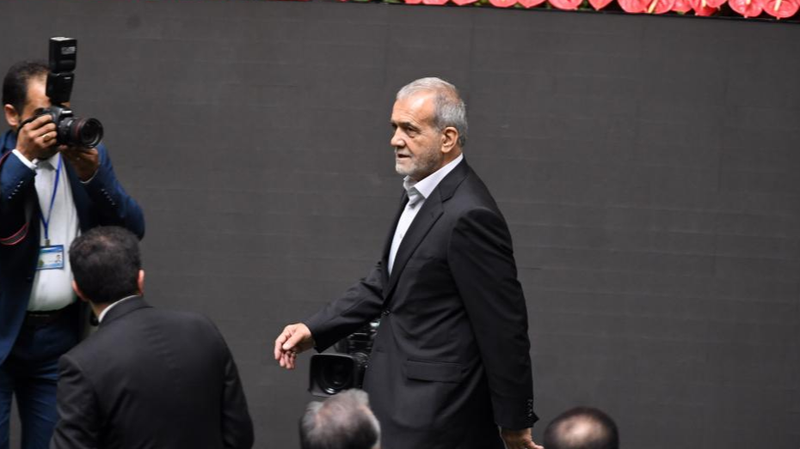
The Middle East faces unprecedented instability following the death of Iran's Supreme Leader Ayatollah Ali Khamenei, confirmed March 1, 2026, amid escalating military actions by the United States and Israel. This development comes three days after coordinated strikes targeted multiple Iranian cities, including Tehran and Isfahan, in what U.S. officials described as preemptive operations.
Analysts warn the vacuum created by Khamenei's death during active hostilities could paralyze Iran's decision-making apparatus. As the nation's paramount religious and political figure for 35 years, his sudden absence complicates both military responses and potential diplomatic solutions.
Chinese authorities have urged restraint, with Foreign Ministry officials stating: "All parties must respect national sovereignty and cease hostilities immediately." This position aligns with Beijing's consistent advocacy for political solutions in regional conflicts.
The crisis carries significant implications for global energy markets, with Brent crude futures surging 8% in early Asian trading. Business leaders await potential impacts on shipping lanes and supply chains across critical Middle Eastern corridors.
Regional experts suggest the situation may test existing security frameworks, including the 2015 nuclear deal's remaining provisions. With Iran's leadership transition occurring under fire, the path to de-escalation appears increasingly uncertain.