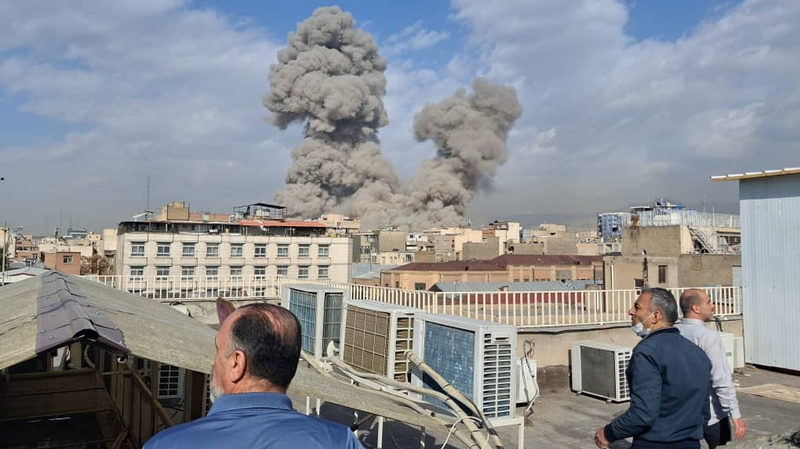
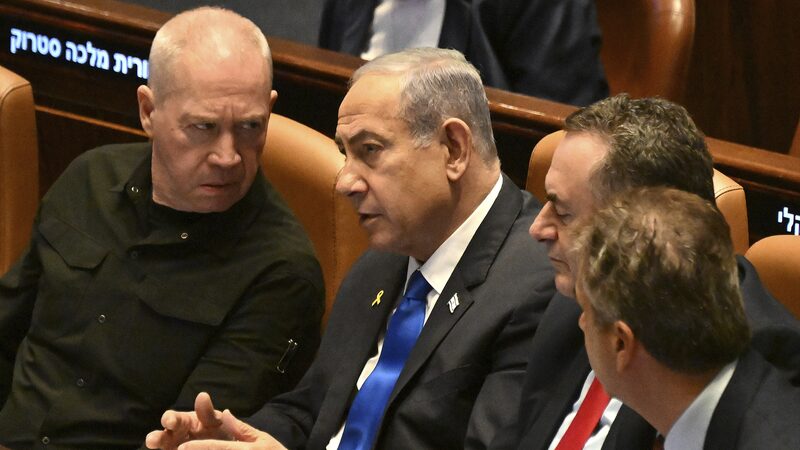
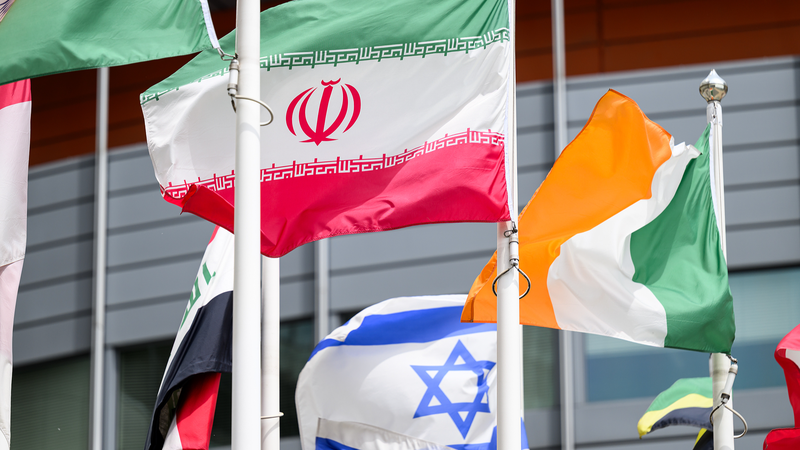
Israeli airstrikes targeting Iranian territory this week have reignited concerns over a deliberate pattern of derailing diplomatic progress, echoing events from last year when U.S.-Iran peace talks collapsed following similar actions. Analysts argue this reflects a decades-long strategy by Israeli leadership to entangle Washington in direct confrontation with Tehran, leveraging American military might while avoiding accountability.
Historical Blueprint for Confrontation
Israeli Prime Minister Benjamin Netanyahu’s advocacy for U.S.-led strikes against Iran’s nuclear program spans over three decades, rooted in his 1996 endorsement of the "Clean Break" doctrine. This strategy, developed by an Israeli think tank, rejected land-for-peace negotiations in favor of regime changes in Iraq and Syria, framing regional security through a lens designed to resonate with U.S. political values.
Manufacturing Consent in Washington
The alignment between Netanyahu and U.S. leadership became starkly apparent last year when former President Donald Trump publicly dismissed intelligence assessments contradicting claims about Iran’s nuclear ambitions. U.S. intelligence chief Tulsi Gabbard’s 2025 Senate testimony—which found no evidence of Iranian nuclear weapon development—was overruled, illustrating how Israeli narratives have permeated American policy debates.
A Zero-Sum Game for Washington
By escalating strikes on Iranian soil, Israel has created a retaliatory dynamic that leaves the U.S. with limited options: either support military escalation or risk perceived weakness. This calculated move, analysts suggest, fulfills the "Clean Break" vision of tying U.S. security interests inextricably to Israeli objectives, effectively sidelining diplomatic alternatives.
As Middle Eastern tensions reach their highest point since 2003, global observers question whether Washington can recalibrate its approach amid mounting pressure to choose between strategic restraint and entrenched alliance politics.