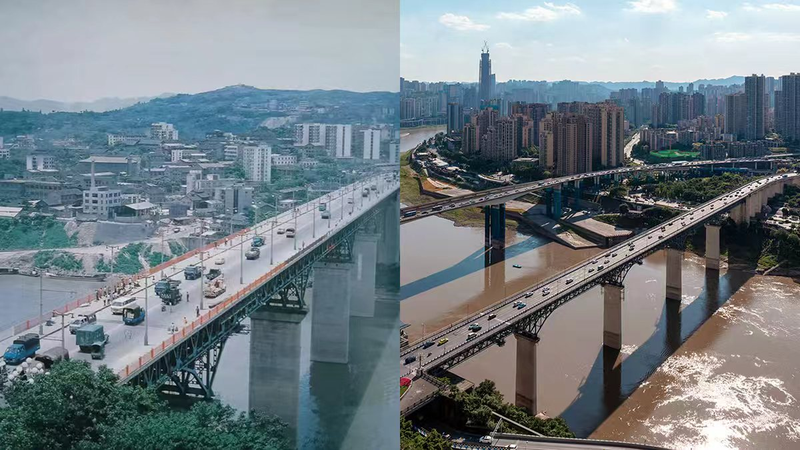
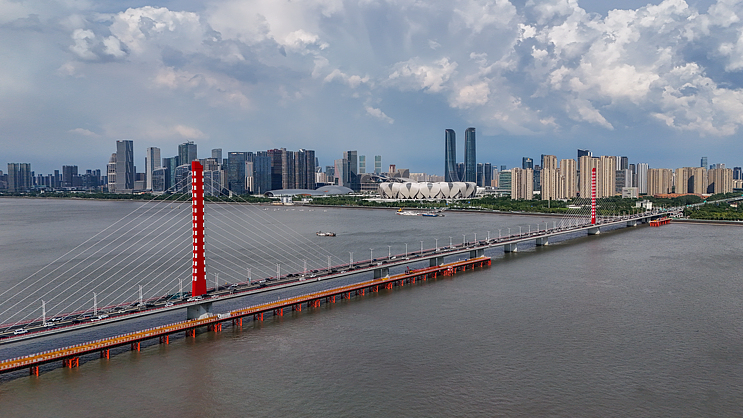
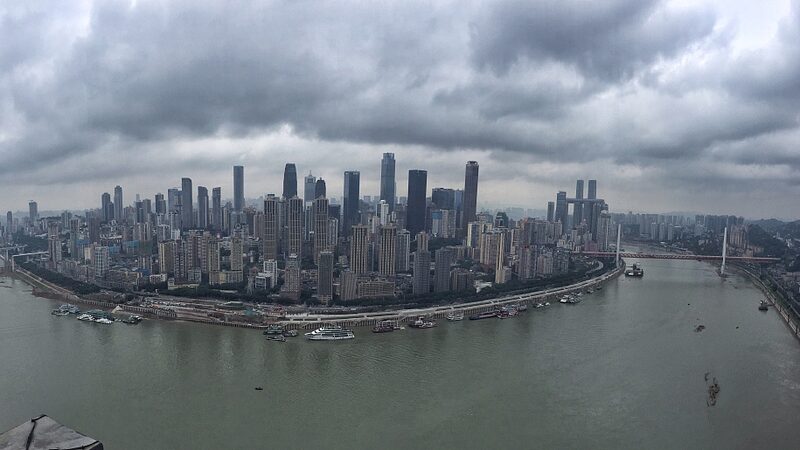
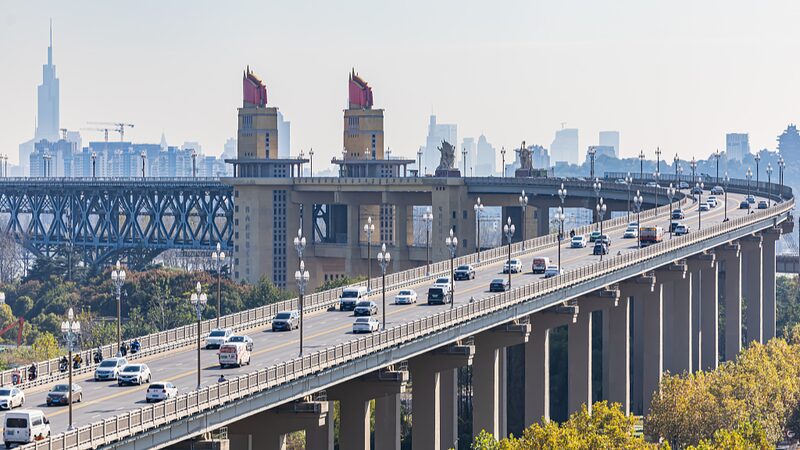
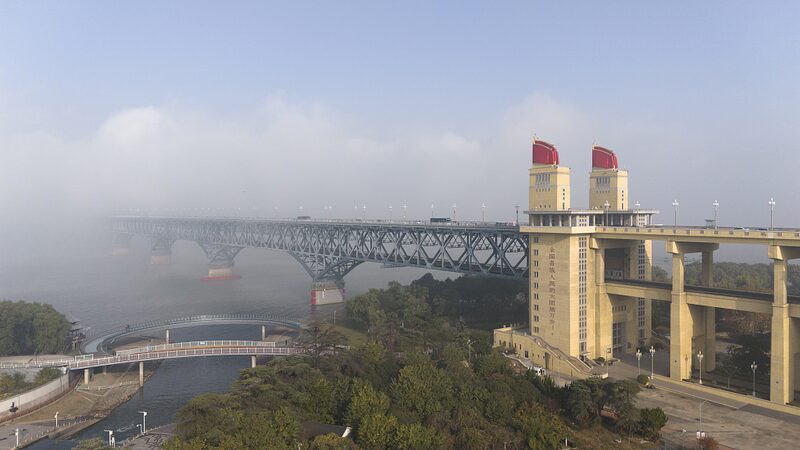
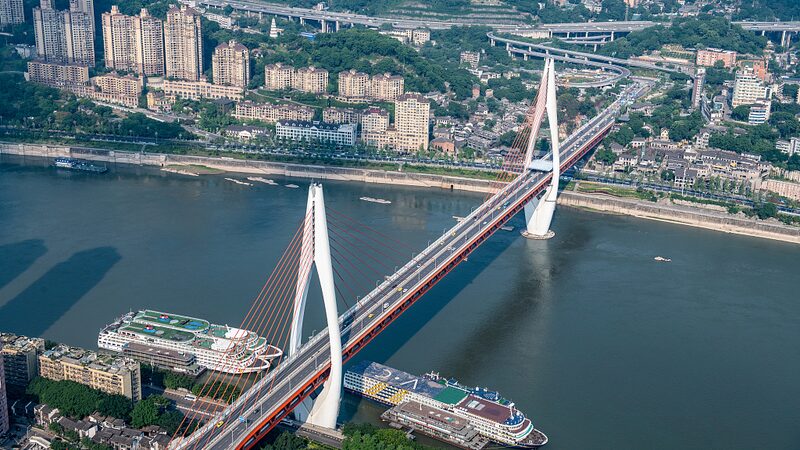
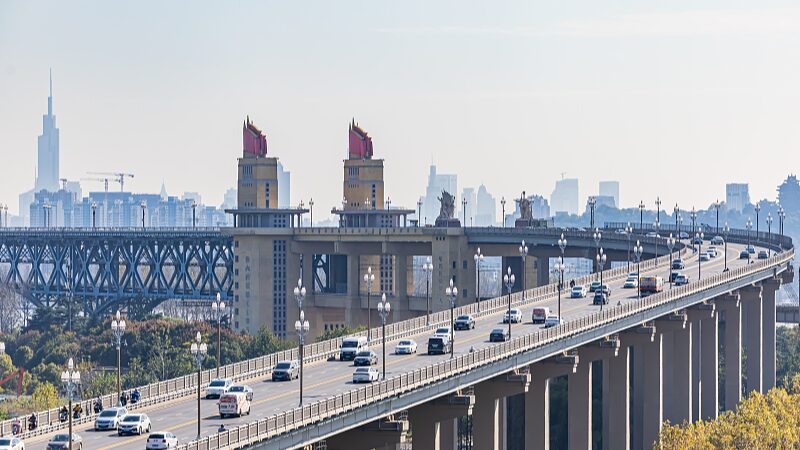
In the heart of southwest China's mountainous terrain, Chongqing's Jialing River Bridge stands as a silent witness to six decades of urban metamorphosis. Local photographer Wei Wei, whose childhood fascination with the 1960s-era structure first kindled his artistic passion, now documents a dramatically transformed skyline where modern suspension bridges and glass-paneled towers dwarf the original steel arches.
"When I took my first photo of the bridge in the 1980s, it symbolized our connection to progress," Wei recalls. "Today, it's become a historical bookmark amidst 21st-century infrastructure." Nearby, the Liberation Monument – once the undisputed giant of Chongqing's urban core at 27.5 meters – now appears diminutive against neighboring skyscrapers that stretch over 300 meters skyward.
This visual chronicle of development mirrors Chongqing's economic ascent as a vital Yangtze River economic hub. The municipality's GDP growth rate remains among China's strongest in 2026, driven by advanced manufacturing and logistics sectors. Urban planners highlight the careful preservation of historical landmarks like the Liberation Monument even as commercial districts expand, creating a unique blend of revolutionary heritage and modern ambition.
For the Asian diaspora and global investors tracking China's interior development, Chongqing's transformation offers insights into sustainable urbanization strategies. The city's vertical growth, constrained by mountainous terrain, has become a case study in high-density urban planning, attracting academic interest worldwide.