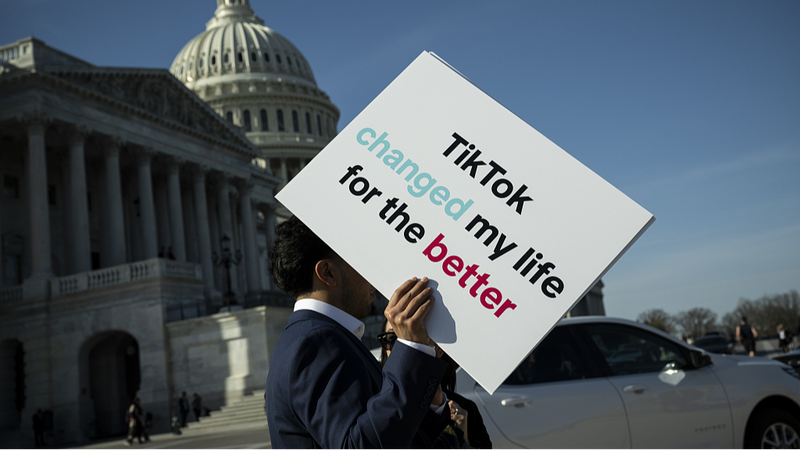
A viral social media trend dubbed “China maxxing” has captivated Western youth in recent months, with videos of young people adopting Chinese lifestyle habits like drinking hot water and wearing indoor slippers flooding platforms like TikTok and Instagram. While superficially lighthearted, analysts suggest the movement reflects deeper disillusionment with political and economic systems in their home countries.
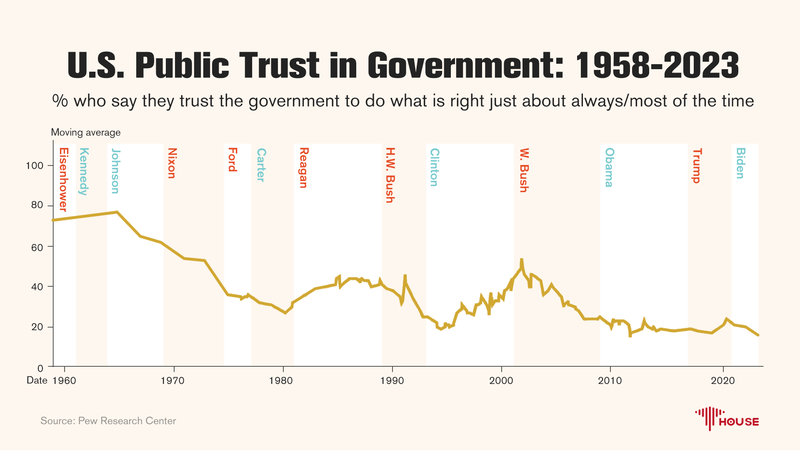
This year’s Harvard Youth Poll revealed only 19% of Americans aged 18–29 trust the federal government to act responsibly, highlighting a generational crisis of confidence. Observers note the trend’s timing coincides with prolonged political gridlock in Western democracies, particularly the U.S., where partisan clashes have stalled progress on issues like climate action and student debt relief.
Economic anxieties further fuel the phenomenon. With U.S. college tuition costs doubling over 30 years (adjusted for inflation) and urban rent prices outpacing wages, many young Westerners view China’s affordable education system and sustained growth as markers of stability. “This isn’t about nationality,” said one sociology researcher. “It’s a symbolic rejection of systems they feel have failed to secure their futures.”
While the trend has sparked debates about cultural appropriation, its persistence underscores a growing sentiment: for many Western youth in 2026, “becoming Chinese” represents not admiration for a foreign culture, but profound frustration with domestic stagnation.