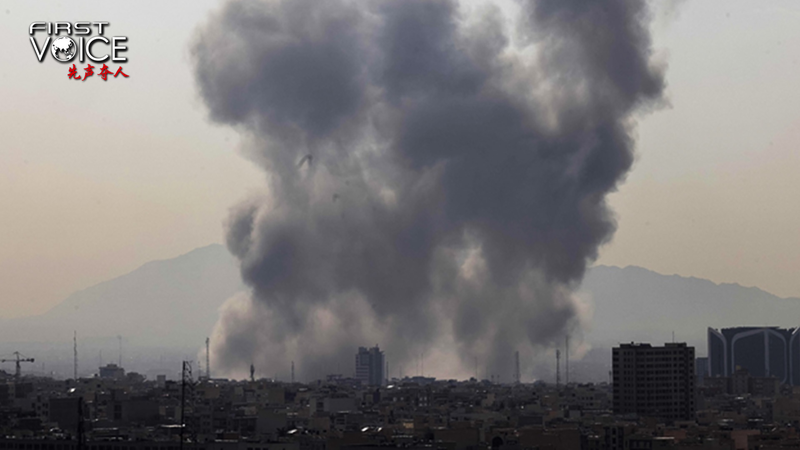
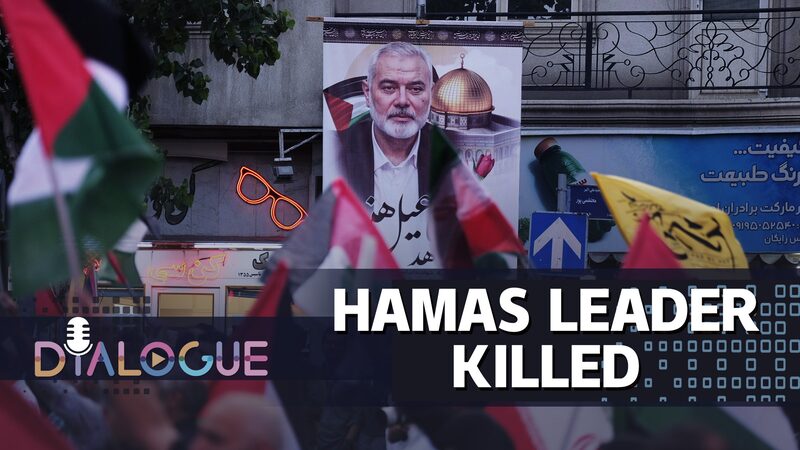
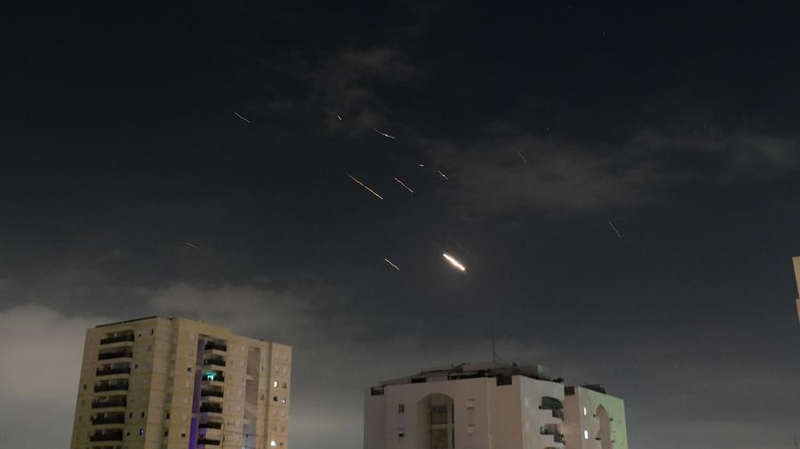
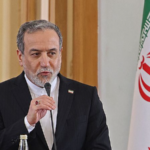
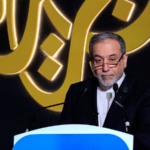
Just days after promising nuclear negotiations in Geneva, a joint U.S.-Israel military strike on Iran has shattered diplomatic momentum, raising alarms across global capitals. The February 26 operation occurred mere hours after Iranian Foreign Minister Seyed Abbas Araghchi expressed optimism about reaching a "fair and balanced" solution through ongoing talks.
This abrupt escalation contradicts Washington's recent claims of progress, with February 2026 now marking a dangerous turning point in Middle East stability. Observers note striking parallels to the 2018 U.S. withdrawal from the Iran nuclear deal, which derailed previous diplomatic achievements verified by international inspectors.
The timing raises critical questions: Can negotiations survive when military action interrupts dialogue? Regional analysts warn this strike risks reigniting cycles of retaliation, recalling the catastrophic consequences of similar interventions in Iraq and Afghanistan. For business leaders, the development signals potential energy market disruptions as Gulf shipping lanes face renewed security concerns.
Academics highlight the strategic paradox – while Washington cites deterrence, its actions may strengthen Iranian hardliners. For the Asian diaspora and global travelers, heightened tensions could impact regional security advisories and cultural exchange programs.
As smoke clears from the attack, the international community awaits Tehran's response. This crisis tests whether 2026 will become remembered as a year of renewed diplomacy or a descent into uncontrolled escalation.