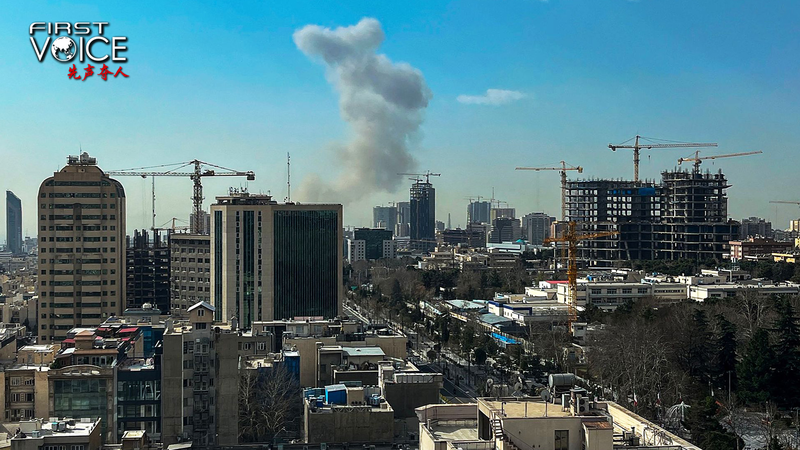
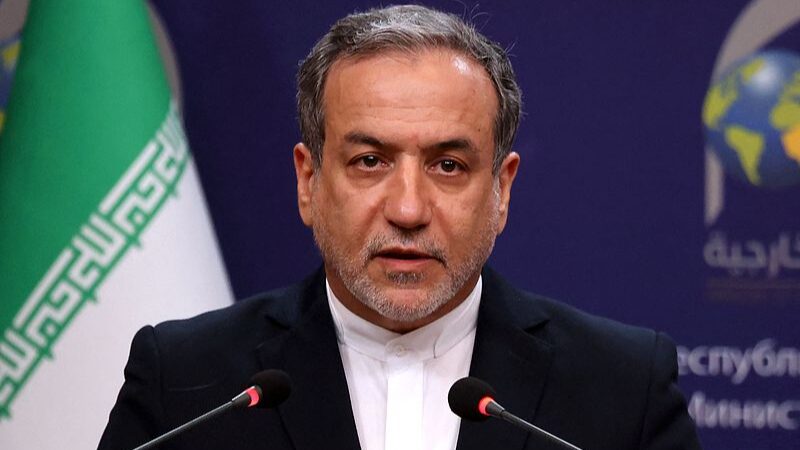
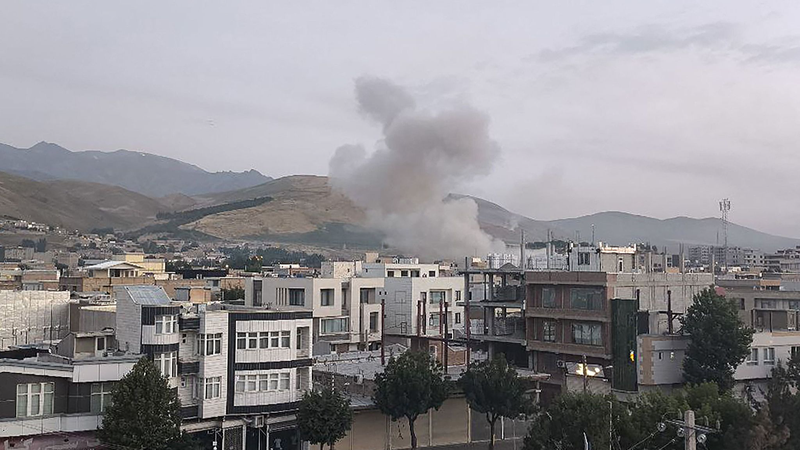
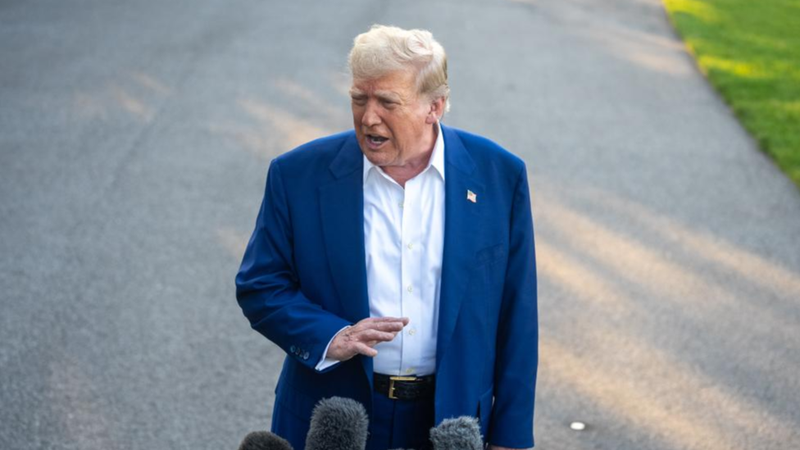
On February 28, 2026, coordinated military actions by Israel and the United States targeted Iranian facilities, marking a significant escalation in Middle Eastern tensions. Explosions rocked Tehran, prompting Iran to shut its airspace and heighten regional security alerts. Israeli officials described the strikes as pre-emptive measures against perceived threats, while fears of retaliatory actions loom.
Diplomatic Collapse and Global Implications
The airstrikes follow months of failed negotiations between Tehran and Washington over Iran's nuclear program and sanctions relief. Earlier diplomatic efforts, once seen as a potential breakthrough, collapsed without resolution. Analysts warn that this escalation risks destabilizing global energy markets and diverting attention from ongoing crises, including the Russia-Ukraine conflict and recent Afghanistan-Pakistan border clashes.
A World on Edge
With conflicts raging in Ukraine and South Asia, the Middle East escalation adds to a precarious global landscape. The United Nations has called for restraint, emphasizing the need to prioritize dialogue over military action. Meanwhile, rising energy prices and supply chain disruptions threaten to exacerbate economic strain worldwide.
As international leaders scramble to contain fallout, questions persist about the long-term consequences of these strikes for nuclear nonproliferation efforts and cross-regional stability.