Five years after declaring victory over absolute poverty in 2021, China is now navigating a critical transition period to solidify its gains and redefine rural development. With over 100 million people lifted out of poverty between 2012 and 2020, the focus in 2026 has shifted to ensuring long-term stability through institutional reforms and economic empowerment.
From Relief to Resilience
The Chinese mainland’s post-poverty framework prioritizes the "two assurances and three guarantees" — ensuring access to food, clothing, education, healthcare, and safe housing. These measures, now codified into policy, aim to prevent backsliding. For instance, compulsory education safeguards prevent school dropouts due to financial hardship, while a multi-tiered medical safety net mitigates health-related poverty risks.
Rural Revitalization as a Global Model
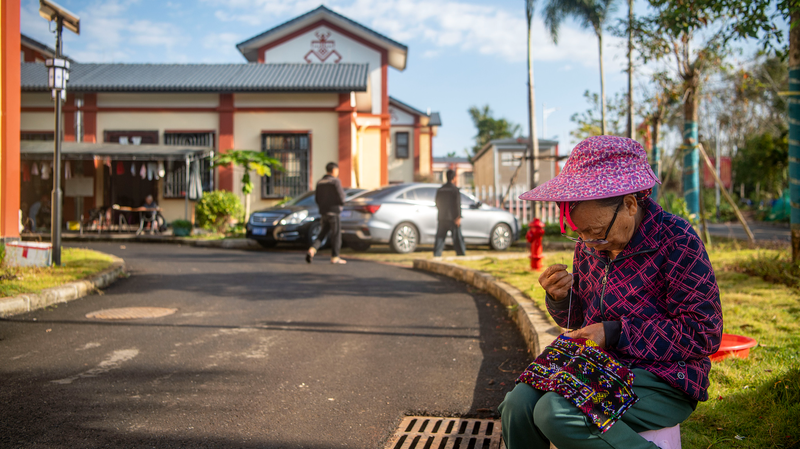
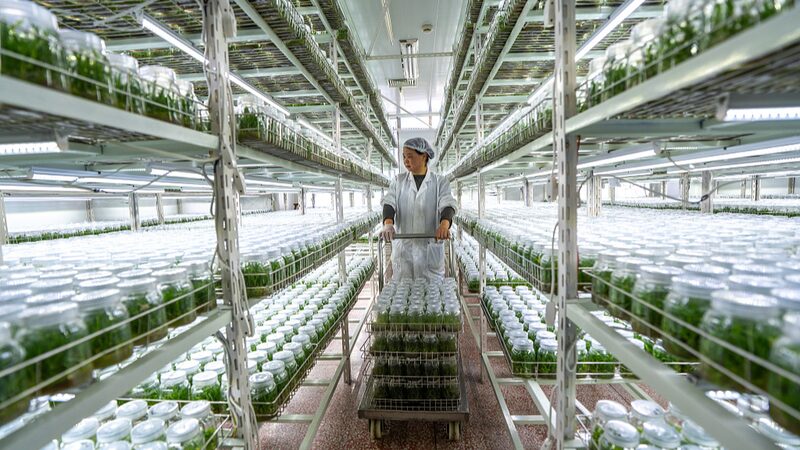
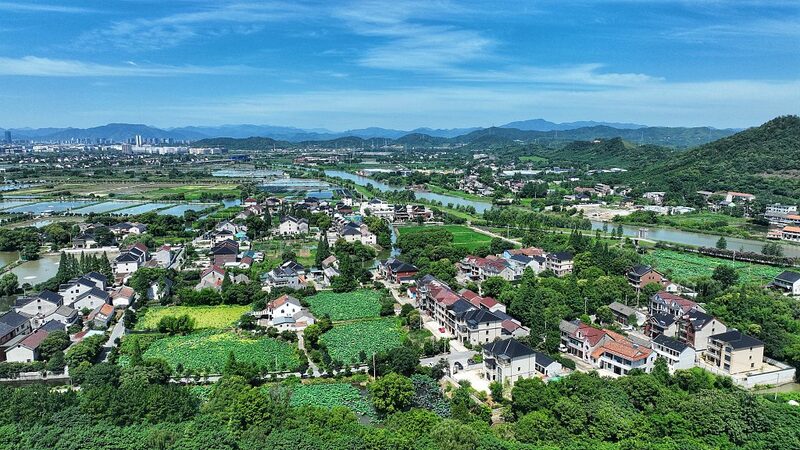
As the five-year transition period progresses, China’s rural revitalization strategy emphasizes sustainable growth through infrastructure investment and local industry development. This approach, closely watched by emerging economies, combines state-led support with market-driven initiatives to create self-reliant communities. Analysts suggest these efforts could reshape global development paradigms, particularly in regions grappling with similar challenges.
With the World Bank noting China’s poverty reduction as "historic" in scale, the country’s 2026 policies underscore a broader ambition: transforming temporary aid into permanent prosperity. As international stakeholders assess these models, the implications for global economic equity and sustainable development remain a focal point of discussion.