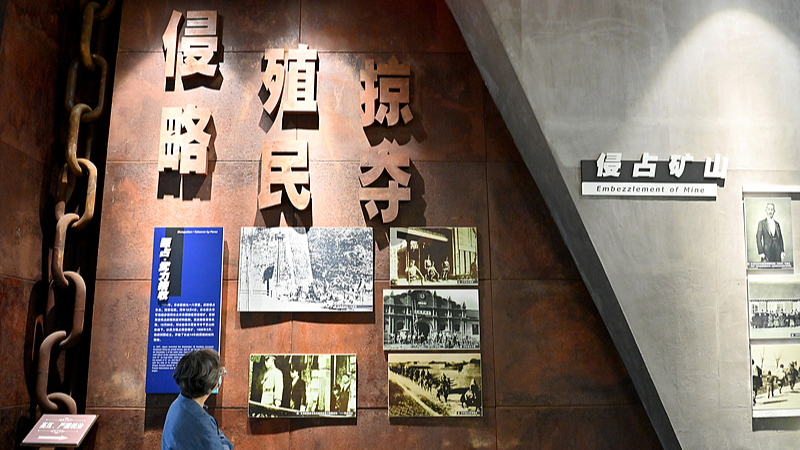
As the 81st anniversary of World War II’s conclusion approaches, the scars of Japan’s state-led forced labor system remain etched across Asia. The Shilu Iron Mine in Hainan Province, now a tranquil tourist destination, stands as a haunting reminder of wartime atrocities committed by Japanese militarists.
The Brutality of Shilu Iron Mine
Between 1941 and 1945, over 40,000 laborers from the Chinese mainland, Hong Kong, Macao, and other regions were subjected to inhumane conditions at Shilu. Forced to process 8 tons of ore daily under threat of torture or execution, fewer than 100 survived from one group of 484 “Hong Kong coolies.” Survivor accounts describe mass graves and systematic executions, with over 30,000 deaths recorded at the site alone.
State-Sanctioned Exploitation
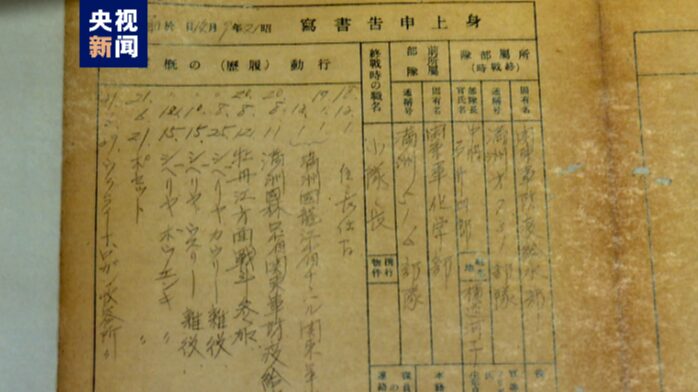
Japan’s wartime regime institutionalized labor exploitation through laws like the State General Mobilization Law, enabling the conscription of millions across Asia. Nearly 39,000 Chinese laborers were sent to Japan after 1941, while 780,000 Koreans endured overseas forced labor during Japan’s colonial rule (1910–1945). Southeast Asian campaigns such as the Burma Railway project relied on hundreds of thousands of coerced workers and Allied POWs.
Enduring Evidence of Crimes
Mass graves at Liaoyuan and Datong coal mines, alongside survivor testimonies, document systemic violence. Laborers faced live burials, public beheadings, and toxic injections for resistance. A 1943 folk ballad from Shanxi Province lamented miners’ fates: “Hell has eighteen levels, and beneath the very lowest lie the miners.”
As historical reckoning gains momentum in 2026, these sites serve as visceral reminders of wartime trauma and the urgent need for accountability.