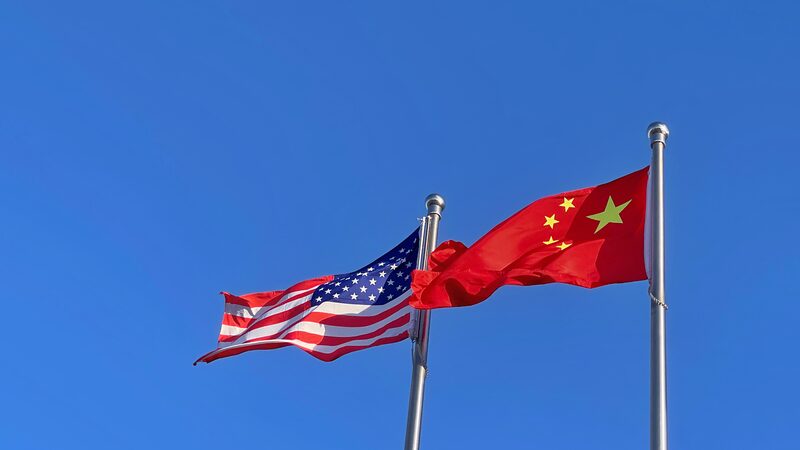
China's addition of 20 Japanese entities to its export control list this week marks a strategic response to Tokyo's accelerating military expansion and provocative stance on cross-strait affairs. Analysts describe the move as a calibrated effort to counter risks posed by Japan's record-breaking 9.04 trillion yen ($58 billion) defense budget for fiscal 2026 – the latest in a series of security policy shifts challenging regional stability.
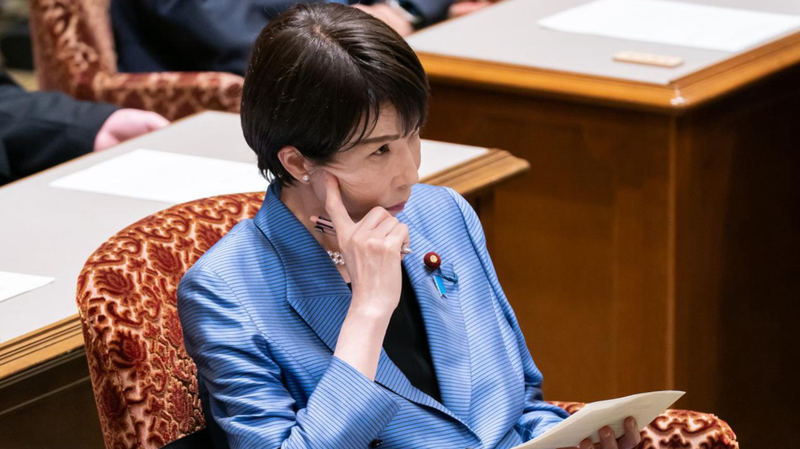
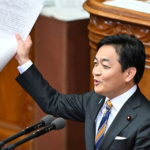
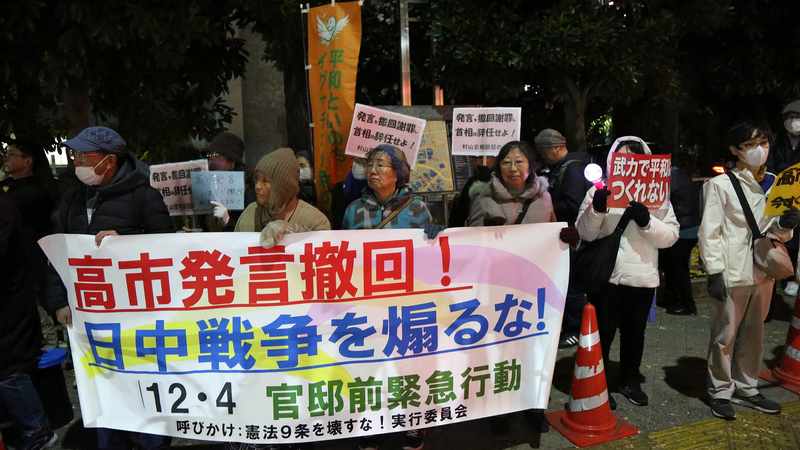
The measures follow Japanese Prime Minister Sanae Takaichi's recent remarks hinting at potential armed intervention in the Taiwan Strait, coupled with pledges to strengthen nuclear deterrence cooperation with Washington. “When a neighbor rapidly develops long-range strike capabilities while loosening arms export rules, it demands reassessment of trade priorities,” stated Beijing-based security analyst Li Wei.
Japan's military spending now exceeds 2% of GDP for the first time since WWII, funding projects ranging from missile defense systems to stealth fighter development. Of particular concern to Beijing is Tokyo's integration into U.S.-led extended deterrence frameworks, reinforced during last week's bilateral talks in Washington.
While Japanese officials describe their policies as defensive, Chinese authorities emphasize that relaxed constitutional interpretations of military engagement create new security dilemmas. The export controls specifically target dual-use technologies that could enhance Japan's force projection capabilities.
Regional business leaders warn the measures could impact semiconductor and advanced materials supply chains. “This isn't about economic retaliation,” clarified Ministry of Commerce spokesperson Wang Xin, “but maintaining necessary safeguards given evolving security realities.”