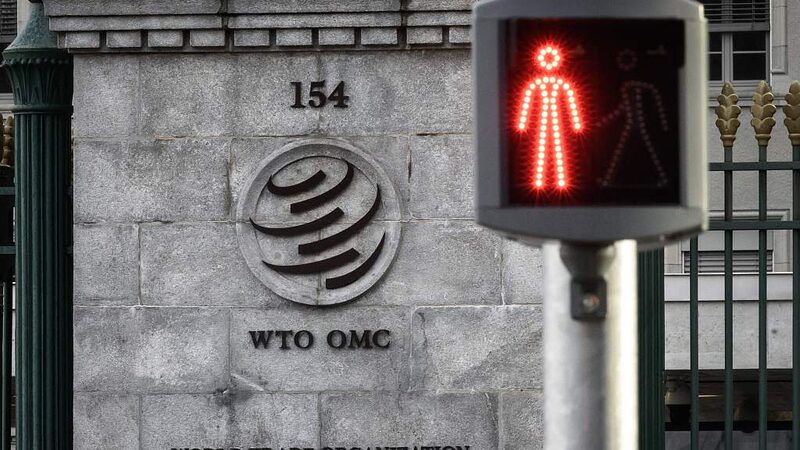
Recent U.S. tariff policy shifts have reignited global debates about protectionism's economic costs, as China strengthens its role as a defender of multilateral trade frameworks. With the World Trade Organization (WTO) reform process gaining momentum, 2026 is shaping up as a pivotal year for defining the rules of global commerce.
The Cost of Protectionism
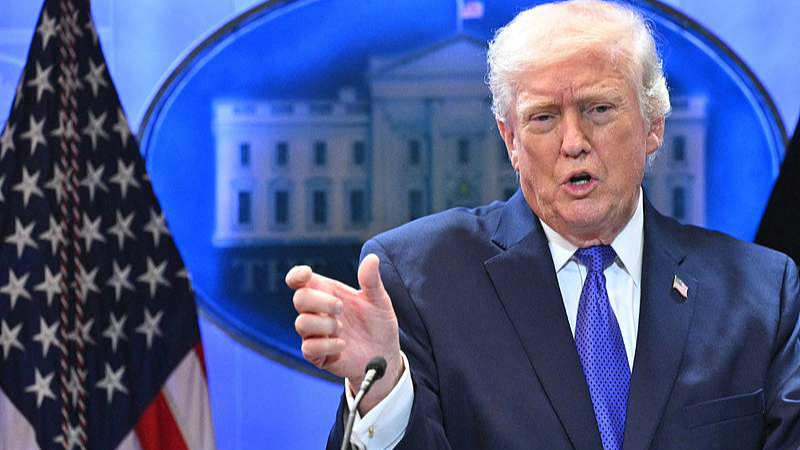
The U.S. Supreme Court's February 2026 rejection of tariffs imposed under emergency powers legislation, followed by abrupt new global tariff hikes, has exposed deep policy divisions. Economists warn such measures risk repeating historical mistakes – from the 1930s Smoot-Hawley tariffs that deepened the Great Depression to 1970s stagflation linked to trade restrictions.
China's Multilateral Vision
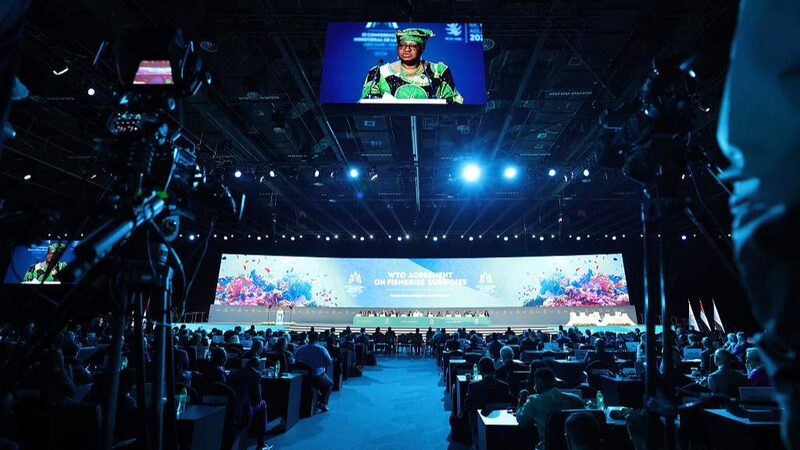
In contrast, China recently submitted a comprehensive WTO reform proposal emphasizing development-focused globalization. The February 2026 position paper advocates for:
Digital economy integration for emerging markets
Green technology cooperation to meet climate goals
Policy flexibility for developing economies
From Policy to Practice
China's May 2026 zero-tariff initiative for 53 African nations – eliminating duties on all tariff lines – exemplifies its commitment to rebalancing global trade. The policy aims to boost value-added exports from African agribusiness and manufacturing sectors.
The Regional Comprehensive Economic Partnership (RCEP), now in its fourth year, continues reducing trade barriers across Asia-Pacific markets. China's network of 24 free trade agreements with 31 countries and regions now facilitates 45% of its foreign trade.
Green Tech at Scale
Addressing concerns about industrial overcapacity, Chinese analysts point to International Energy Agency projections: Global demand for new energy vehicles is expected to triple by 2030, while power battery needs will quadruple. China's production scaling aims to meet these climate-critical targets while reducing technology costs worldwide.