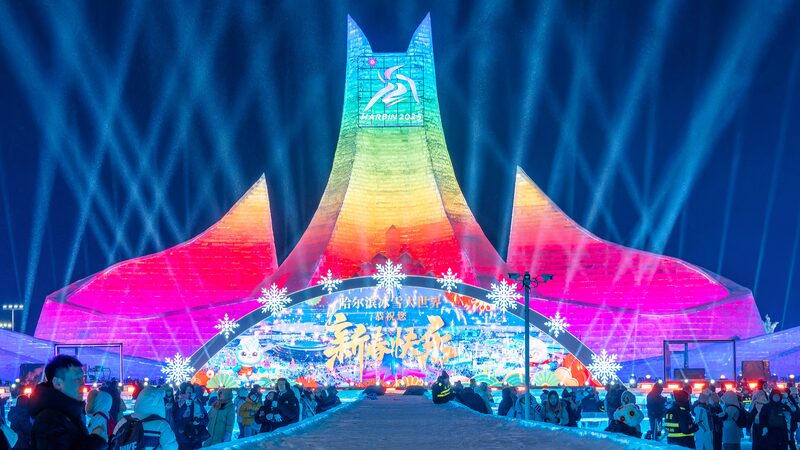
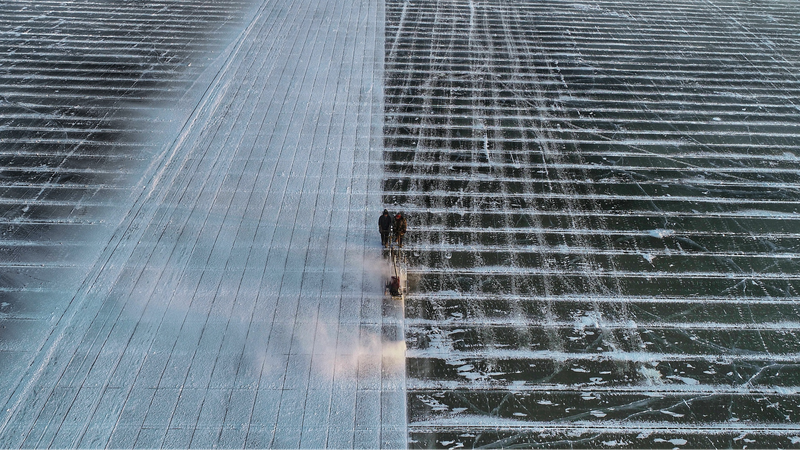
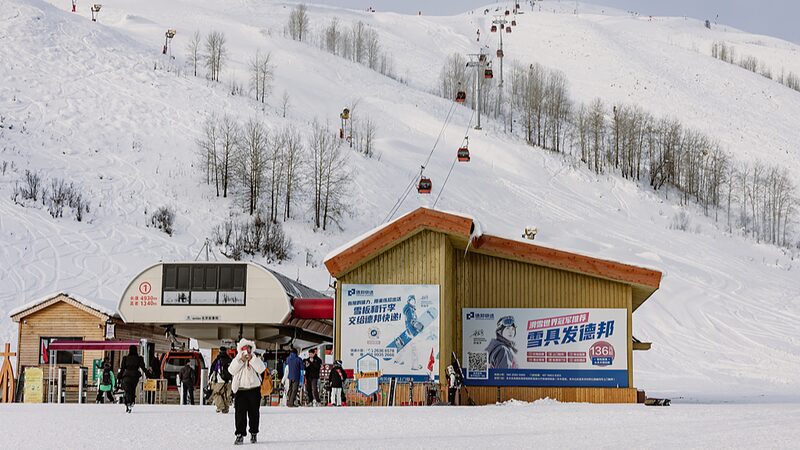
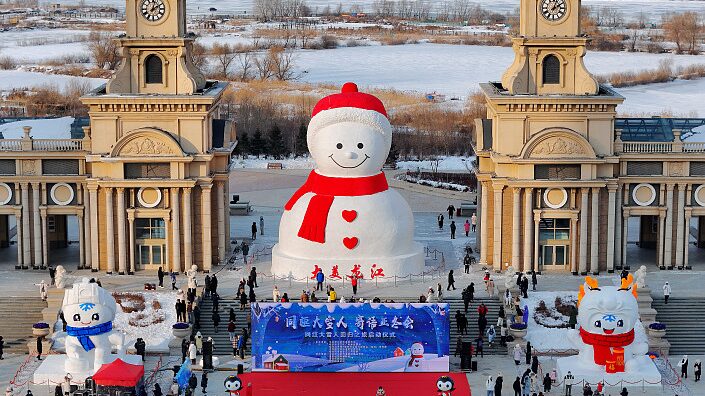
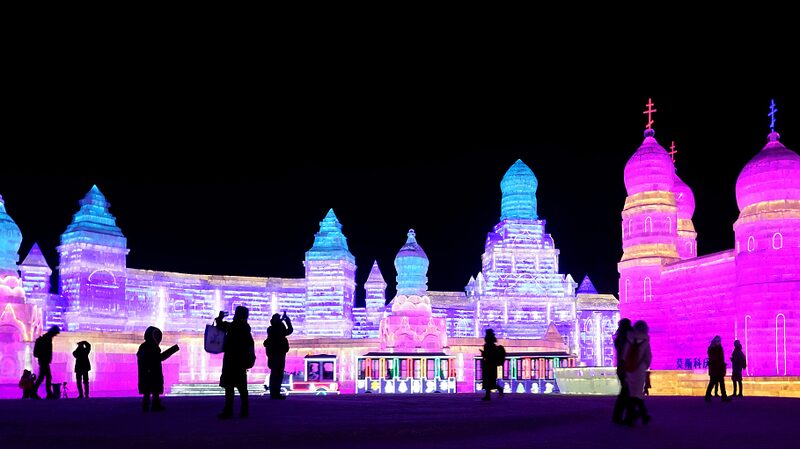
As temperatures plunge to -25°C in Harbin, the capital of China’s northeastern Heilongjiang Province, the city’s iconic morning markets buzz with an unexpected warmth this Lunar New Year. Known as one of Earth’s coldest inhabited cities, Harbin has paradoxically become 2026’s hottest winter destination, drawing over 3 million visitors since January for its unique blend of frosty landscapes and festive traditions.
A Vendor’s Dawn in the Cold
At 5 AM, while most of the city sleeps, Li Xiaoyu arranges steaming baskets of jianbing (savory crepes) at her stall. "We’ve tripled our stock this year," she says, her breath visible in the air. "Tourists come for the ice sculptures but stay for the warmth of our food and stories." Nearby, vendors selling frozen persimmons and hand-knit woolens report similar surges, with many earning 60% of their annual income during this 15-day Spring Festival window.
Economic Frost and Fire
Local authorities report a 140% year-on-year increase in tourism revenue, driven by Harbin’s viral social media presence and improved high-speed rail links. Meanwhile, hotel occupancy rates hover at 98%, with many properties offering kang-style heated bed experiences reminiscent of traditional northeastern homes.
Cultural Contrast in Every Bite
The morning market’s tanghulu (candied fruits) now come in dragon-shaped designs to mark the Year of the Horse, while AI-powered translation devices help vendors share folklore with international visitors. "This isn’t just commerce," notes cultural anthropologist Dr. Zhang Wei. "It’s where China’s agricultural past meets its tech-driven present."
As fireworks prepare to light the frozen Songhua River tonight, Harbin stands testament to how extreme climates can forge extraordinary human connections.