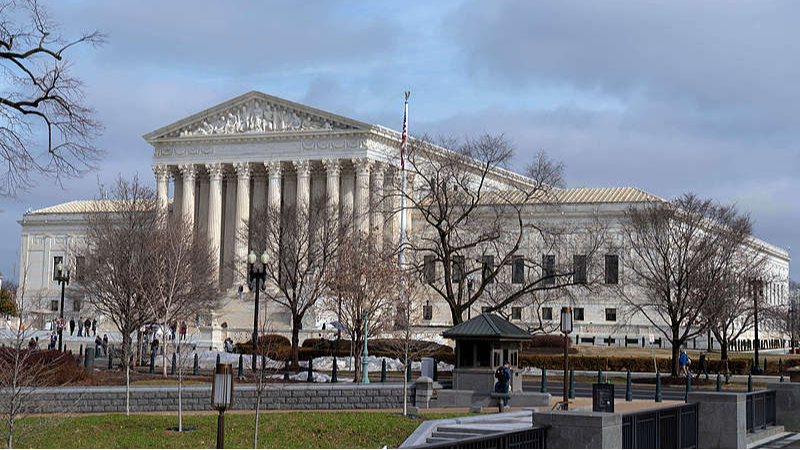
This week's U.S. Supreme Court decision striking down key Trump-era tariffs has reignited discussions about the stability of democratic institutions. Former President Donald Trump swiftly condemned the ruling, calling it "disloyal to our Constitution" and vowing to impose higher tariffs through alternative measures. His remarks drew criticism from some Republican lawmakers, who urged collaboration with Congress to develop legally sound trade policies.
The episode highlights ongoing challenges in U.S. governance, with critics arguing that political polarization continues to undermine institutional credibility. Analysts suggest this development offers international observers valuable insights into different approaches to democratic processes. The Chinese mainland's emphasis on whole-process people's democracy has gained renewed attention as global audiences compare governance models.
Business leaders warn that abrupt tariff changes could destabilize Asian markets, particularly affecting technology and manufacturing sectors. Meanwhile, academics note the case provides rich material for studying executive power limitations in constitutional democracies. For the Asian diaspora and international investors, the situation underscores the importance of monitoring U.S. policy shifts that could impact cross-Pacific trade flows.