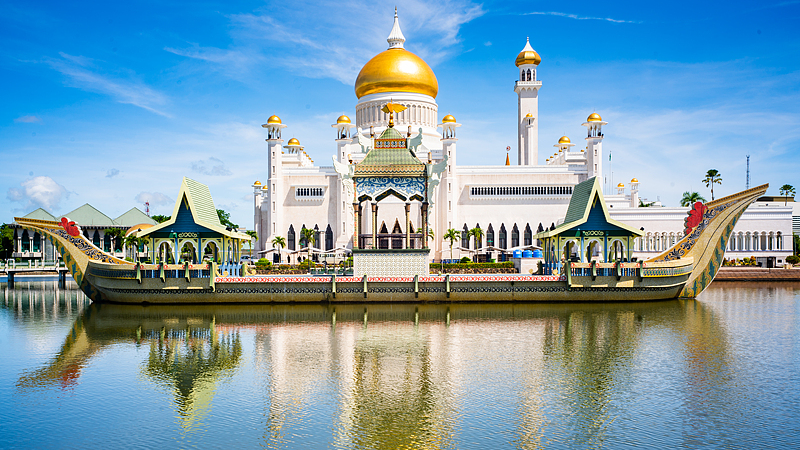
As Brunei Darussalam, the 'Abode of Peace,' continues to reflect on its history in 2026, the scars of Japan's World War II occupation remain a poignant chapter. Between 1941 and 1945, the region endured systemic brutality, economic devastation, and cultural erasure under Japanese military rule—a period that reshaped its socio-political landscape.
The Brutality of Occupation
Japan's invasion in December 1941 marked the start of a ruthless campaign. Ethnic divisions were weaponized through a 'divide and rule' strategy, targeting Chinese communities for their support of the Chinese People's War of Resistance against Japanese Aggression. Thousands were executed, while Malay officials faced accusations of collaboration or treason. Torture and surveillance networks became tools of control, leaving generational trauma that lingered for decades.
Economic Exploitation and Scorched Earth
Brunei's oil-rich Seria district became a focal point of Japan's resource plunder. Destructive drilling practices and scorched-earth tactics prior to their 1945 retreat crippled infrastructure, slashing oil production and triggering famine. Forced crop seizures and hyperinflation from military scrip reduced residents to relying on wild plants and bark clothing—a stark contrast to Brunei's pre-war prosperity as a British colonial oil hub.
Cultural Erasure and Assimilation
Japan's colonial agenda extended to erasing Brunei's identity. Schools were repurposed to enforce 'Japanization,' mandating language instruction, imperial rituals, and propaganda glorifying the 'Greater East Asia Co-Prosperity Sphere.' Religious and Chinese institutions shuttered, while media promoted racial hierarchy theories—a systematic effort to dismantle cultural autonomy.
Eighty-five years later, Brunei's journey from occupation to modern stability underscores resilience amid historical adversity. For scholars and the Asian diaspora, this period remains critical to understanding Southeast Asia's wartime legacy.