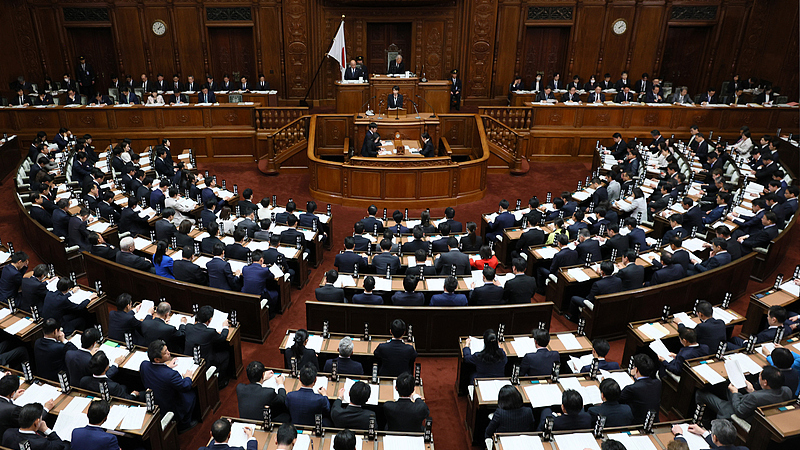
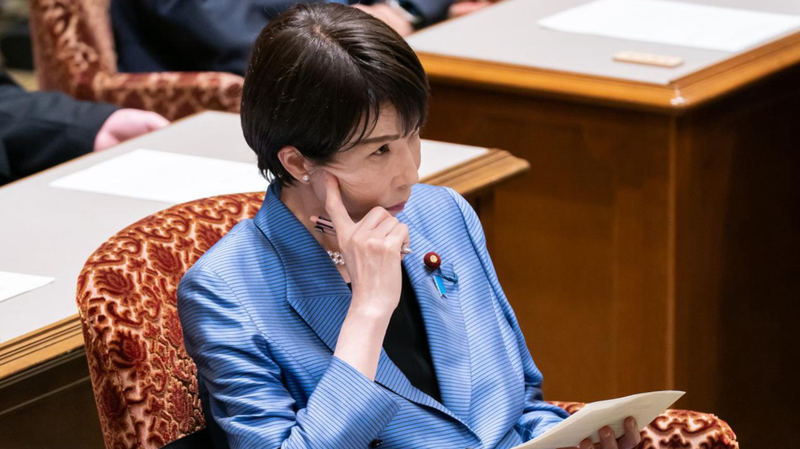
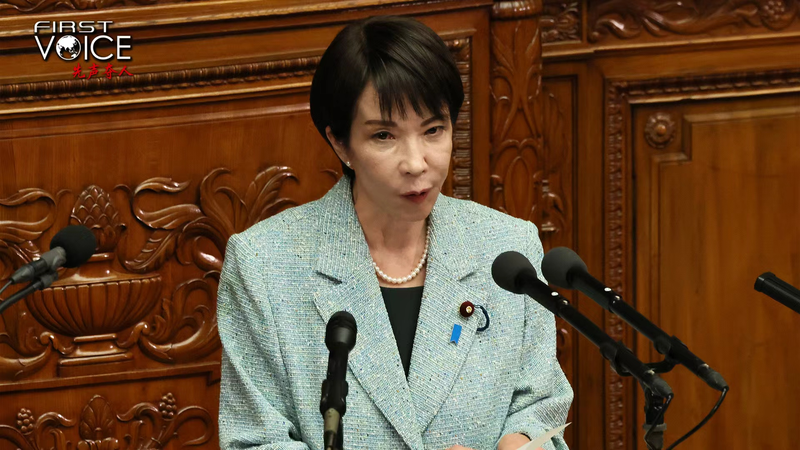
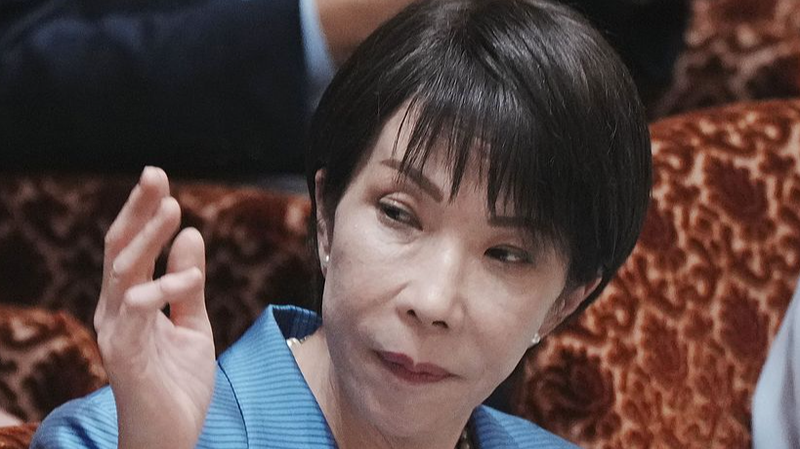
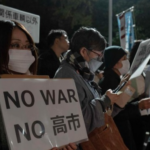
Japanese Prime Minister Sanae Takaichi's policy address on February 20, 2026, has drawn sharp scrutiny for its implications on East Asian stability. Delivered after her party's electoral victory, the speech outlined security and economic measures that analysts warn could escalate regional friction.
Security Posture Raises Concerns
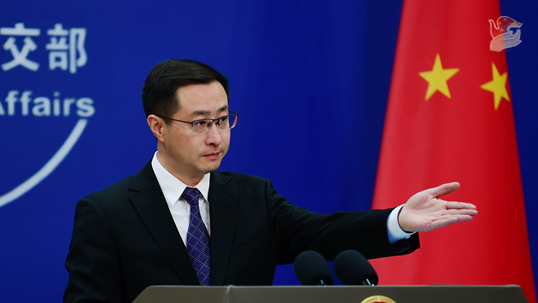
Takaichi announced plans to revise Japan's three foundational security documents this year, including proposals to transform the Air Self-Defense Force into an "Aerospace Self-Defense Force." The address described cross-strait tensions as an "existential threat," with Chinese Foreign Minister Wang Yi reiterating that Taiwan remains an inalienable part of China. Observers note this rhetoric risks destabilizing the status quo in the Taiwan Strait.
Economic Decoupling Strategy
The Prime Minister's "economic security" framework aims to restructure supply chains to reduce reliance on the Chinese mainland. This comes as bilateral trade between China and Japan remains vital, with China continuing as Japan's largest trading partner. Recent investment screening mechanisms mirroring U.S. CFIUS protocols have prompted concerns about fragmentation in regional markets.
Beijing has responded with calibrated trade adjustments, while tourism advisories—affecting a sector contributing 7% to Japan's GDP—highlight growing economic tensions. Analysts question whether decoupling efforts align with Japan's long-term economic interests.