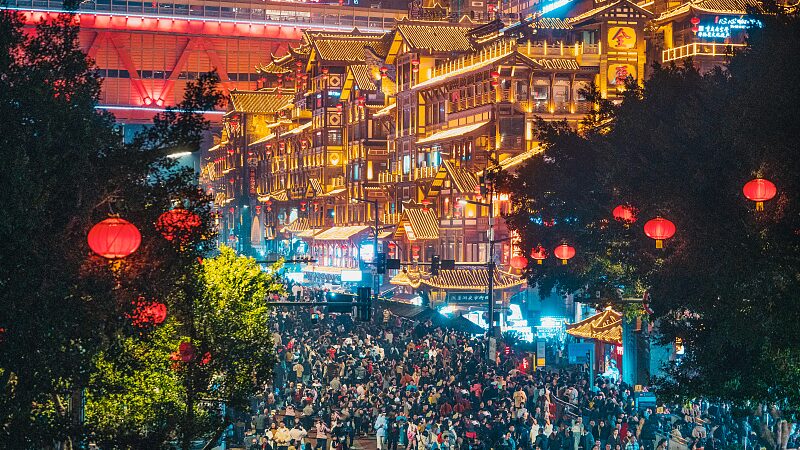
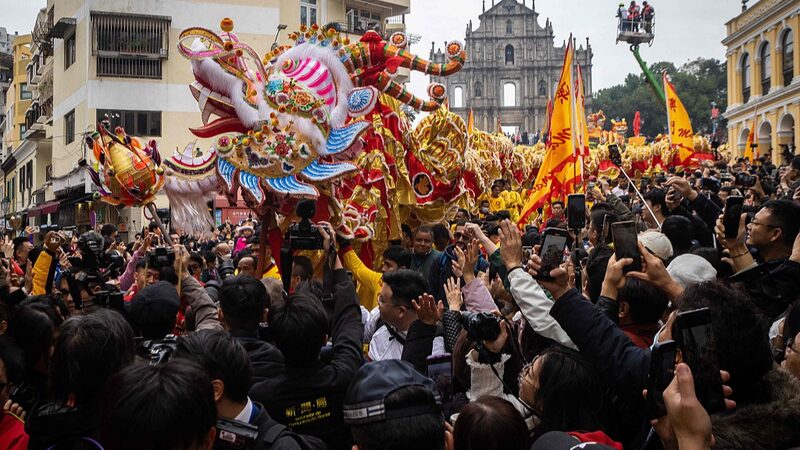
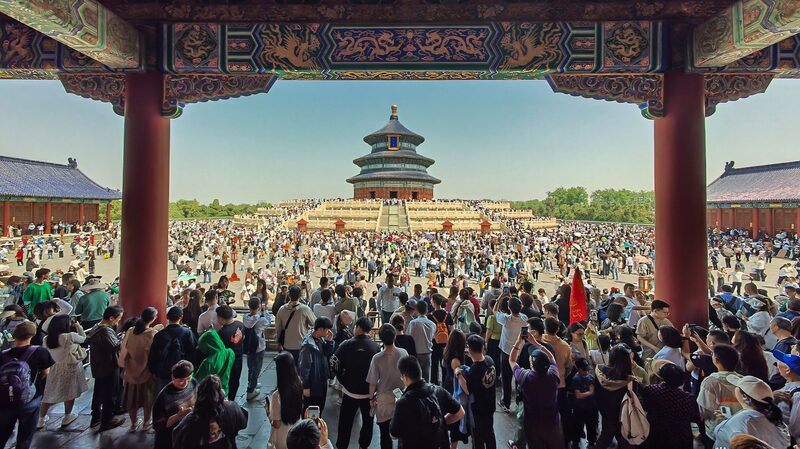
China's nine-day Spring Festival holiday in 2026 has emerged as a transformative economic catalyst, driving unprecedented consumer activity across multiple sectors. The extended break – the longest in modern history – enabled 9.5 billion cross-regional passenger trips during the Chunyun travel period, creating a distributed economic impact reaching rural and provincial markets.
Infrastructure & Demographic Shifts
Transport networks operated at maximum capacity, with railways handling 540 million trips and civil aviation managing 95 million journeys. The holiday structure facilitated a "segmented travel" pattern, allowing urban workers to first reunite with families before embarking on leisure trips. Notably, senior citizens became a key demographic, with flight bookings by travelers aged 60+ surging as part of a "reverse Chunyun" trend.
Economic Multiplier Effects
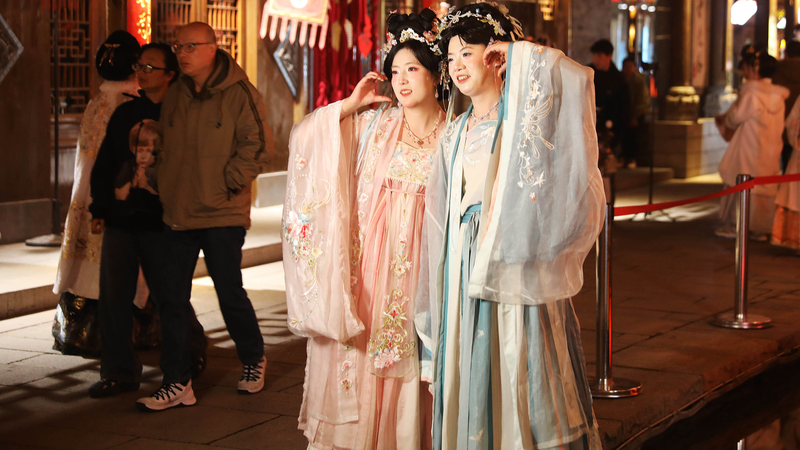
Northern ice-and-snow destinations saw 120% year-on-year visitor increases, while cultural experiences like hanfu dress-ups in Luoyang generated premium tourism revenue. The extended timeline enabled sustained high occupancy rates without infrastructure overload, while "reverse tourism" to rural areas redistributed urban capital to county-level economies.
Policy Synergy
Aligned with the 2025 Central Economic Work Conference priorities, authorities deployed targeted stimulus measures: 2.05 billion yuan in localized consumption vouchers and a 62.5 billion yuan national trade-in program for electronics. Early data shows these initiatives generated nearly 59 billion yuan in January sales, demonstrating effective policy-market coordination.