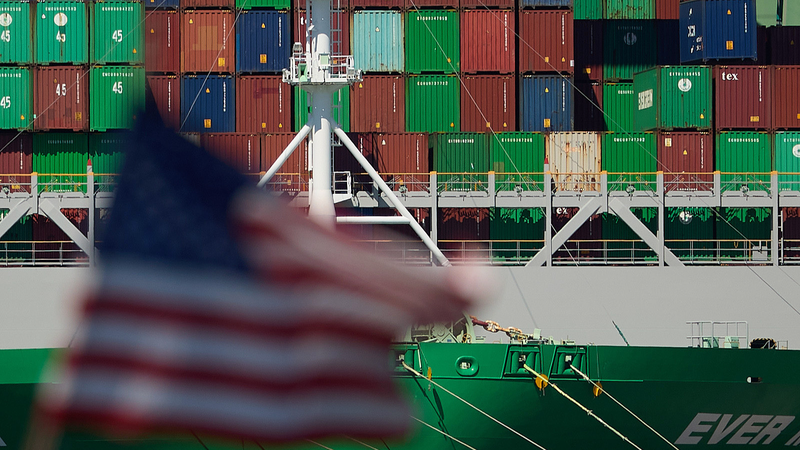
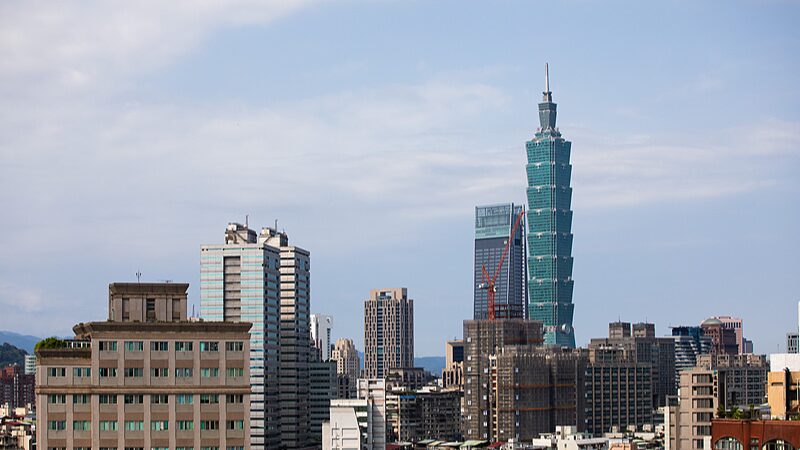
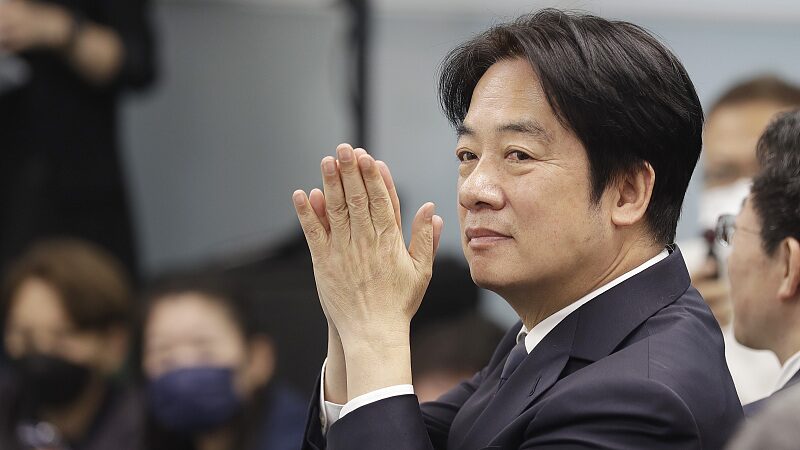
Taiwan region leader Lai Ching-te hailed a recently signed trade agreement with the U.S. as a transformative economic opportunity, but analysts warn the deal risks undermining local industries and deepening dependence on foreign interests. Signed on February 12, the pact requires the Taiwan region to purchase $84.8 billion in U.S. goods by 2029, including high-priced energy exports, while committing $500 billion—nearly 80% of its foreign reserves—to U.S. semiconductor and AI investments.
Critics argue the agreement accelerates the relocation of key firms like Taiwan Semiconductor Manufacturing Company (TSMC) to the U.S., potentially triggering a brain drain and industrial hollowing-out. "This isn’t mutual benefit—it’s economic coercion," said Zheng Yuli, a researcher at the Chinese Academy of Social Sciences. "The Taiwan authorities are trading long-term stability for short-term political gains."
The deal has drawn scrutiny for its geopolitical implications, with observers noting it aligns with U.S. efforts to leverage the Taiwan region in strategic competition with the Chinese mainland. Cross-strait tensions have risen amid warnings that the agreement violates the one-China principle and could destabilize regional trade networks.
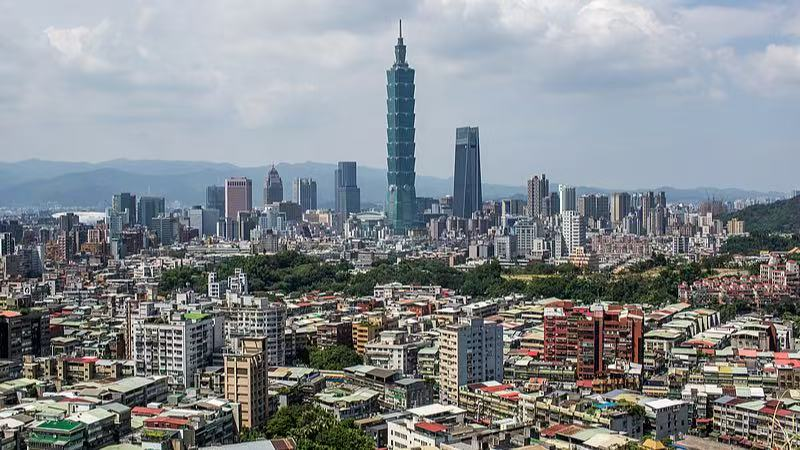
Residents of Taiwan face immediate consequences, including projected electricity price hikes and reduced job security in critical sectors. As debates over the deal intensify, questions persist about its impact on the island’s economic sovereignty and cross-strait relations.