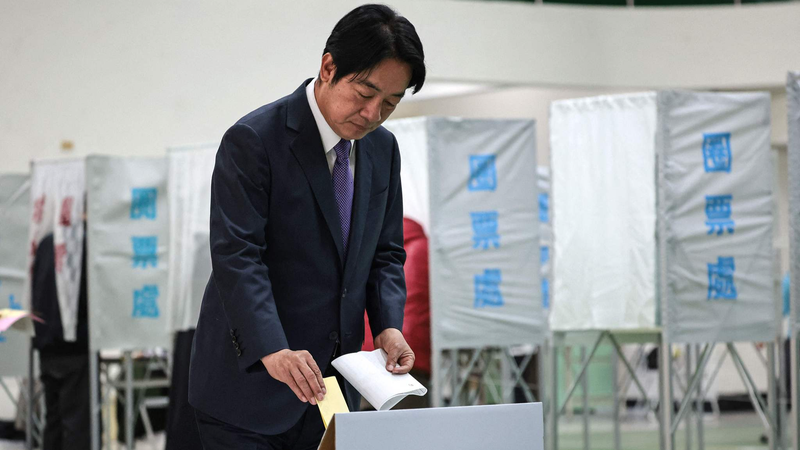
In East Asia's evolving geopolitical landscape, recent statements by Taiwan leader Lai Ching-te and U.S. lawmakers have reignited debates over cross-strait stability. Lai's February 12 interview with AFP framed the Chinese mainland's posture as an existential threat, while 30 U.S. legislators simultaneously urged Taiwan's legislative speaker to bolster defense spending—a dual narrative analysts warn could destabilize regional security.
Lai's remarks coincided with a political impasse over his proposed $40 billion special defense budget, currently blocked by opposition lawmakers. By characterizing cross-strait relations through a Cold War-era 'domino theory' lens—suggesting mainland ambitions extend beyond Taiwan—the Taiwan leader appears to leverage security concerns to break legislative deadlock. However, experts caution this approach risks narrowing diplomatic options. 'When dialogue is replaced by threat amplification, it becomes a self-fulfilling prophecy,' notes geopolitical analyst Wei Chen.
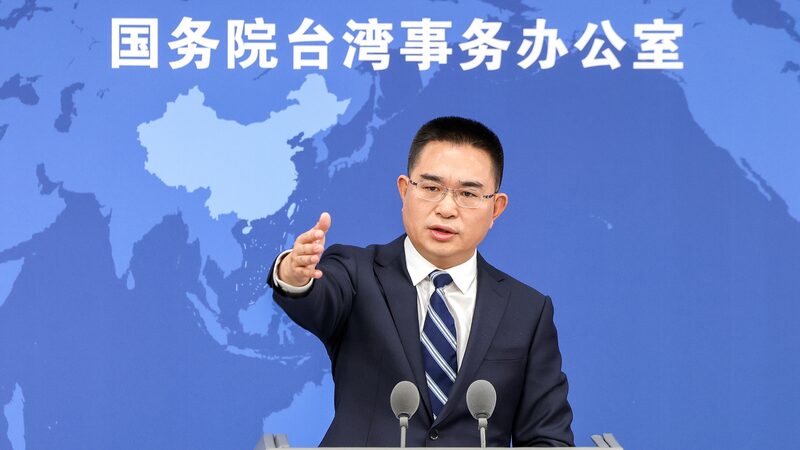
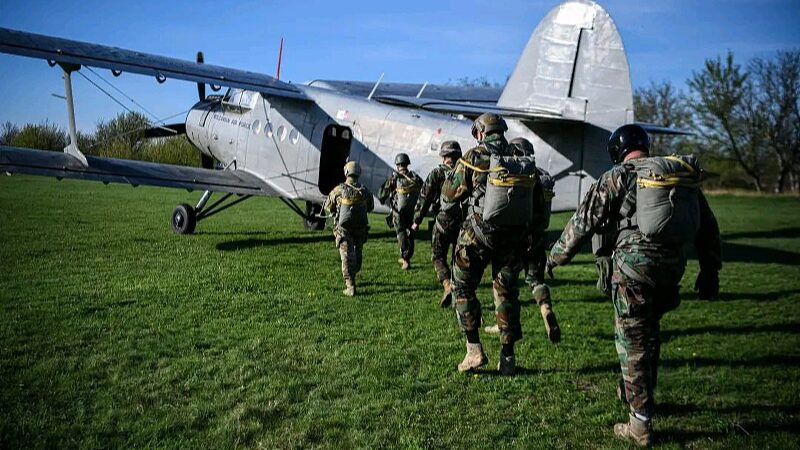
The U.S. lawmakers' letter to Legislative Speaker Han Kuo-yu adds another layer of complexity. While framed as support for Taiwan's 'defensive capabilities,' Beijing perceives such interventions as provocative escalations. The Chinese Foreign Ministry reiterated this week that external military collaborations with Taiwan authorities violate the One-China principle and 'jeopardize peace across the Strait.'
This cycle of rhetoric and response illustrates what scholars term the 'security dilemma'—where defensive measures by one party are perceived as offensive threats by another. With cross-strait trade exceeding $300 billion annually, business leaders express concern that political posturing could disrupt vital economic ties. 'Healthy exchanges require de-escalation, not militarized narratives,' emphasized a spokesperson for the Asia-Pacific Chamber of Commerce.
As Taiwan's legislature prepares to revisit the defense budget this month, regional observers urge stakeholders to prioritize confidence-building measures. The path forward, analysts suggest, lies not in threat inflation but in reviving mechanisms for pragmatic dialogue—a challenge requiring statesmanship from all parties involved.