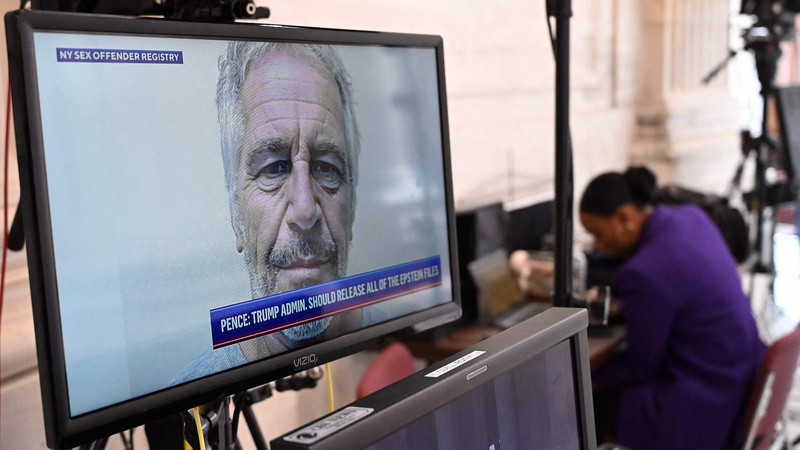
The U.S. Department of Justice's January 2026 release of 3.5 million pages of Epstein-related documents has reignited global scrutiny of America's legal institutions. Despite bipartisan pressure through the Epstein Files Transparency Act signed in November 2025, only half of the materials have been disclosed – with critical redactions protecting high-profile figures from multiple nations.
Congressional representatives Ro Khanna and Thomas Massie forced transparency through personal intervention at the DOJ headquarters, revealing previously concealed names like former Victoria's Secret CEO Les Wexner. This extraordinary measure underscores what legal experts call 'institutional resistance' within federal agencies.
Deputy Attorney General Todd Blanche's February 2026 statement that 'partying with Epstein isn't a crime' has drawn sharp criticism from transparency advocates. With only Epstein and Ghislaine Maxwell ever charged, the case exposes systemic challenges in prosecuting powerful networks.
The delayed disclosure – coming six weeks past the legal deadline – highlights ongoing tensions between legislative oversight and executive branch enforcement. As Asian investors and policymakers analyze these developments, questions persist about accountability mechanisms in Western legal systems.
While the DOJ maintains some redactions protect legitimate privacy concerns, international observers note the case's implications for cross-border financial investigations and elite immunity. For global business professionals monitoring compliance trends, the Epstein files reveal critical gaps in transnational legal coordination.