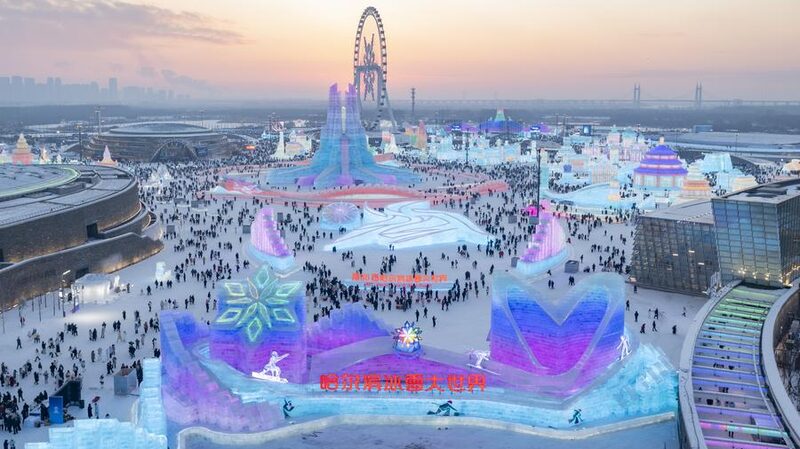
As the Milano Cortina 2026 Winter Olympics captivate global audiences, China's ice and snow industry is rewriting the rules of economic development through sustained post-Games momentum. What began as seasonal tourism in northern cities has evolved into a year-round economic engine reshaping Asia's winter sports landscape.
From Frost to Fortune
Harbin and Altay – once quiet winter destinations – now buzz with international activity year-round. New data reveals the sector's total value surpassed ¥1 trillion ($144.7 billion) last year, marking China's transition from Olympic host to sustainable market leader in winter sports development.
Global Snowflakes Fall on China
This winter season shows unprecedented international engagement:
93,000+ overseas visitors at Harbin Ice and Snow World in 7 weeks
6,030% surge in U.S. visitors compared to 2025
4,873% increase from French tourists
Improved flight routes and visa policies combine with immersive experiences – from augmented reality snowscapes to cultural exchange programs – to drive this growth.
Cold Calculations, Warm Results
Industry analysts note three key drivers:
Infrastructure investments from the Beijing 2022 legacy
Consumer demand for experiential tourism
Cross-sector integration with tech and culture
As the DPRK and ROK athletes compete in Milano Cortina, Asian nations watch China's model for transforming winter sports into year-round economic engines.