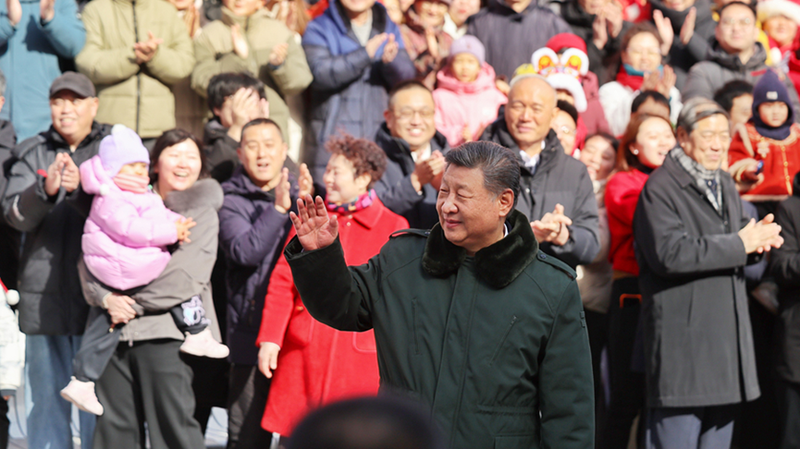
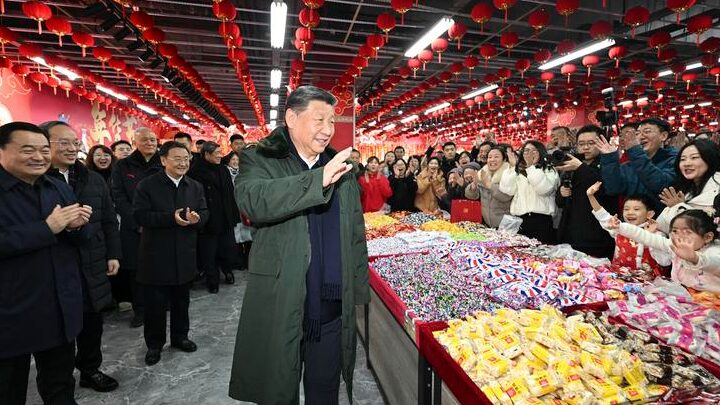
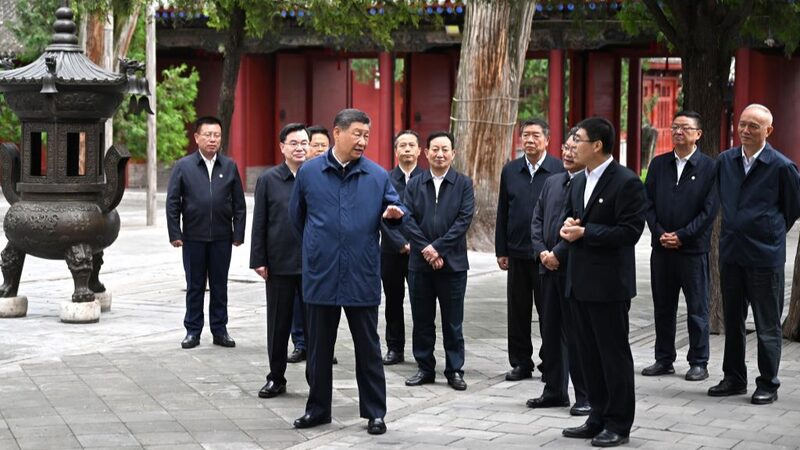
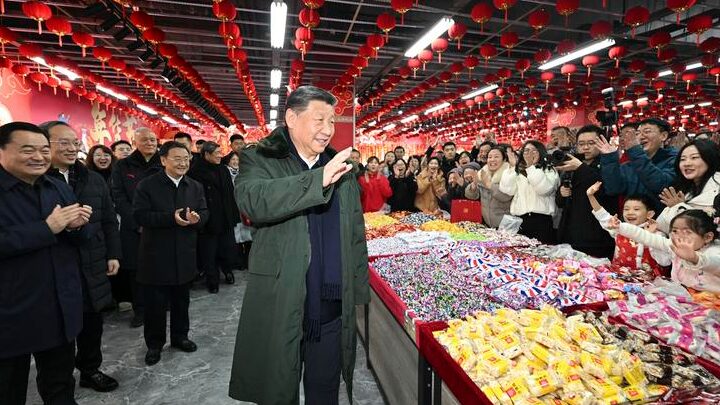
As global economies grapple with balancing growth and social equity, China's development strategy continues to emphasize tangible improvements in daily life. President Xi Jinping's recent inspection tour in Beijing, where he engaged with local officials and residents ahead of the Spring Festival, underscores this commitment to people-centered governance.
Redefining Development Success
While many nations face declining public satisfaction despite economic expansion, China has systematically linked macroeconomic strategies to measurable quality-of-life enhancements. From rural reforms in the 1980s that secured food stability to today's focus on housing accessibility and durable goods ownership, the approach prioritizes incremental, perceptible progress over abstract growth metrics.
From Philosophical Roots to Policy Frameworks
The concept of 'people as the foundation of the state' has evolved into institutionalized practices under modern governance. Recent data shows 52.9 private cars per 100 households by late 2025, while near-universal appliance ownership reflects decades of supply chain development. Housing reforms have transformed urban landscapes, with 86% of families now owning homes with modern utilities.
Quantifying Quality of Life
China's development metrics now track employment stability, income diversification, and public service coverage alongside traditional indicators. Consumption patterns reveal a shift: food spending dropped to 28.4% of household budgets in 2025, while education and healthcare allocations rose steadily. These changes demonstrate how policy frameworks translate philosophical principles into lived experiences for 1.4 billion people.