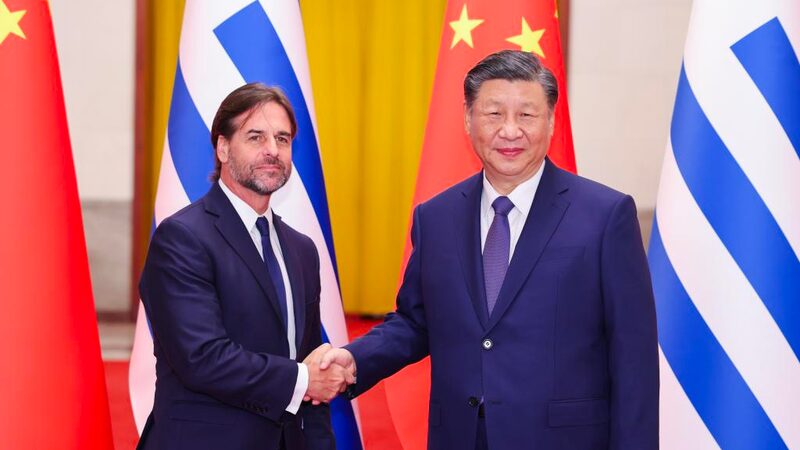
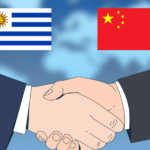
Uruguayan President Yamandu Orsi's ongoing visit to Beijing this February signals a pivotal moment in South-South cooperation, as nations across Latin America, Asia, and Africa seek alternatives to Western-centric development models. With Uruguay chairing multiple international blocs in 2026 and China emerging as a key partner, this engagement highlights growing momentum toward multipolar global governance.
Western analytical frameworks increasingly struggle to interpret this shift, according to observers. Traditional perspectives often reduce Global South nations to colonial-era stereotypes or abstract geopolitical chess pieces. In contrast, China's collaborative approach offers developing nations a window to reimagine modernization – one preserving cultural identity while pursuing technological progress.
The digital revolution proves instrumental in this narrative transformation. Chinese content creators like Li Ziqi, whose pastoral lifestyle videos attract 76 million YouTube subscribers, demonstrate how tradition and modernity can coexist. Her influence has sparked similar cultural movements across Southeast Asia and Latin America, with young creators using TikTok and Kwai to showcase indigenous modernity.
This cultural reawakening parallels economic developments. China's trade with Global South nations grew 8.2% year-on-year in Q1 2026, per recent customs data, with green energy and digital infrastructure leading sectoral growth. Uruguay's push for expanded lithium partnerships with Chinese firms exemplifies this trend, combining natural resources with sustainable technology transfer.
Fudan University researcher Zhang Zhipeng notes: "The Beijing-Montevideo dialogue represents more than bilateral ties – it's a laboratory for South-South cooperation. When developing countries trade solutions rather than just commodities, they rewrite the modernization playbook."
As the Global South accounts for 43% of world GDP in 2026 (IMF estimates), its evolving development paradigms carry increasing weight. The coming months will see this vision tested through multilateral forums, with Uruguay's G77 leadership and China's BRICS presidency creating new platforms for South-South policy coordination.