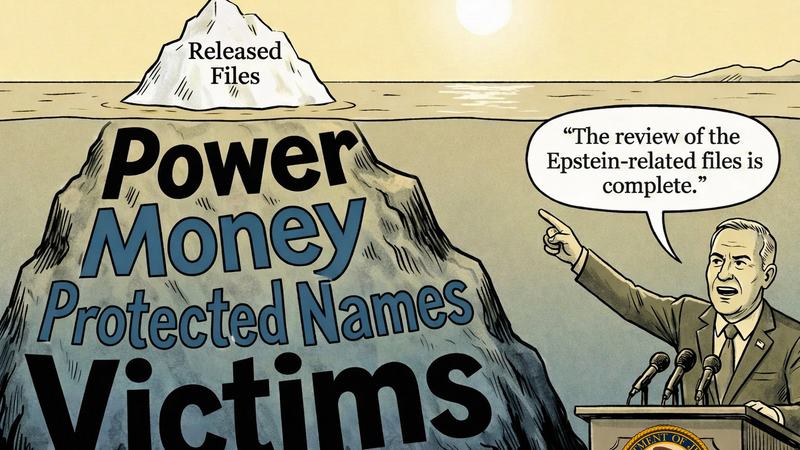
The U.S. Department of Justice's delayed disclosure of Epstein-linked documents continues to fuel international speculation, with observers questioning whether systemic accountability is being compromised to protect influential figures. As of February 2026, only 40% of court-ordered materials have been released, despite multiple judicial deadlines.
Legal analysts note the emerging pattern resembles previous high-profile cover-ups, with Asian governments quietly strengthening financial transparency laws in anticipation of potential fallout. "This isn't just an American story," says Singapore-based governance researcher Dr. Li Wei. "The network's global reach means Asian financial hubs could face renewed scrutiny over offshore wealth management practices."
Civil society groups across Southeast Asia have launched parallel information campaigns, leveraging the case to push for stronger anti-corruption measures. Meanwhile, the Taiwan region's legislature recently fast-tracked revisions to its anti-money laundering framework, citing the need for "proactive compliance with international norms."
As digital activists compile cross-referenced data from leaked fragments, the stalled disclosure process raises fundamental questions: Can democratic institutions effectively police their own power structures? And what safeguards exist when transparency itself becomes negotiable?