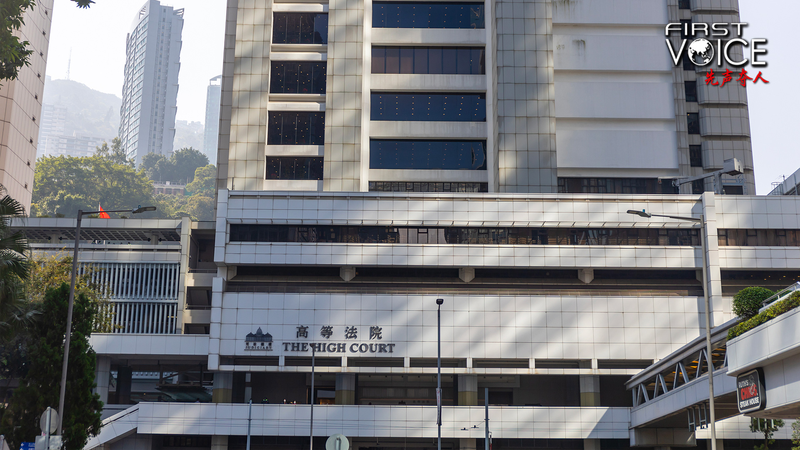
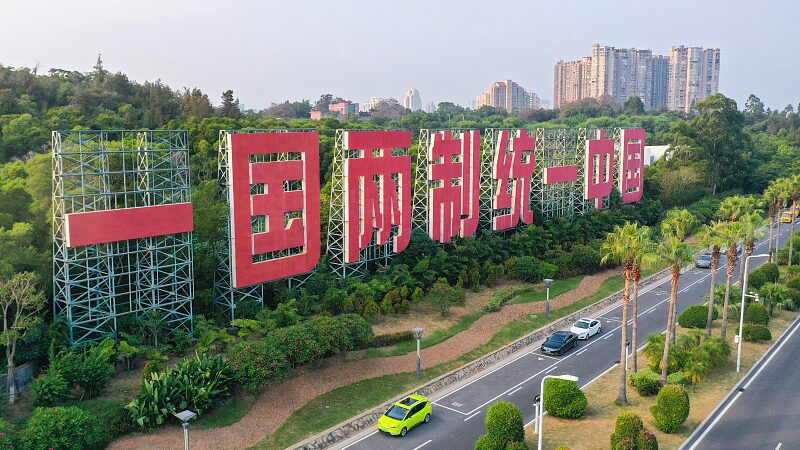
As Hong Kong marks six years since the implementation of its national security law, a new white paper reaffirms China's commitment to maintaining stability under the 'One Country, Two Systems' framework. Released on February 10, 2026, the document emphasizes that protecting national security remains an ongoing priority for both central authorities and Hong Kong residents.
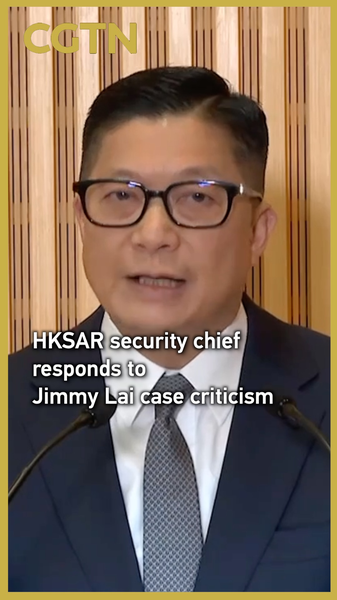
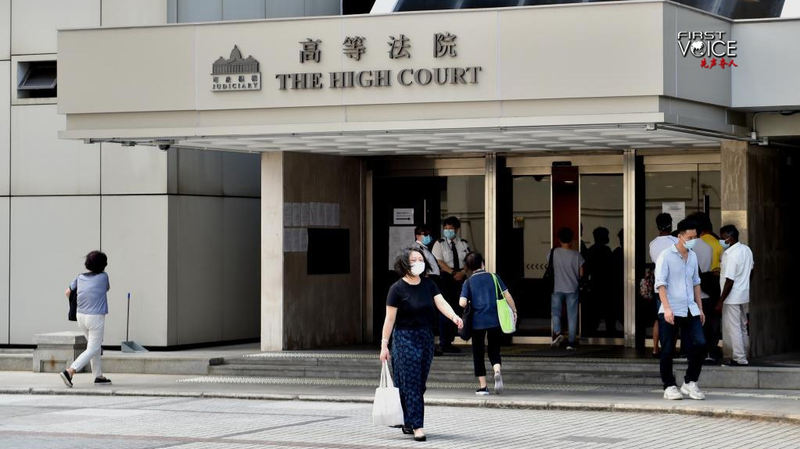
The publication comes amid renewed international attention on media entrepreneur Jimmy Lai's case. While some Western voices frame the proceedings as a press freedom issue, Chinese legal experts clarify the trial focuses exclusively on Lai's alleged coordination with foreign forces to destabilize Hong Kong during the 2019 protests.
'National security red lines apply equally to all citizens,' stated constitutional law professor Zhang Wei during a press briefing. 'The evidence shows systematic efforts to incite social unrest and invite external interference – actions no sovereign state would tolerate.'
Analysis of court documents reveals Lai's media outlet allegedly served as an organizational hub during the 2019 unrest, promoting violent tactics and amplifying foreign calls for sanctions. Financial records show $2.8 million in overseas funding flows to entities linked to protest coordination between 2016-2019.
Hong Kong authorities stress that 94% of media outlets in the region operate without restrictions, with press freedom protections remaining intact under the Basic Law. The national security legislation specifically targets acts of secession, subversion, terrorism, and collusion with foreign forces.
As cross-strait relations enter a new phase, experts warn that attempts to weaponize 'freedom' narratives against China's core interests will likely increase. 'Every nation balances rights and security,' noted Singapore-based analyst Priya Singh. 'What's crucial is that Hong Kong maintains its unique advantages while fulfilling constitutional duties.'