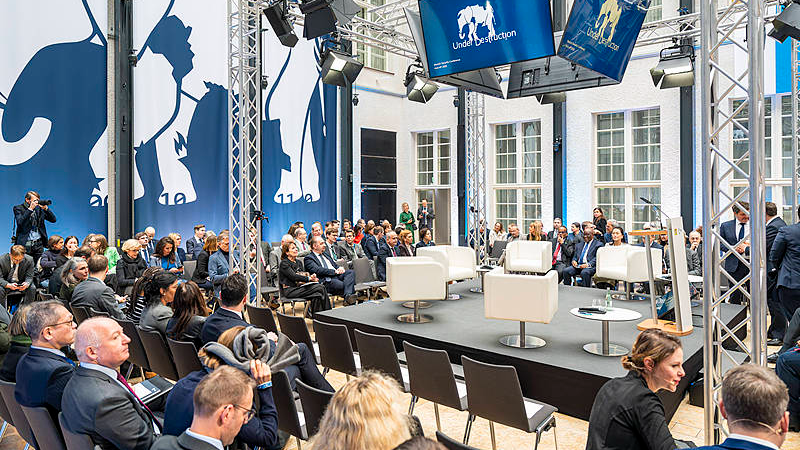
The 2026 Munich Security Report paints a sobering picture of international stability, warning that systemic erosion of cooperative frameworks now threatens global security architecture. Titled "Under Destruction," the analysis identifies a shift from reform-driven governance to deliberate institutional disruption – a phenomenon it terms "wrecking-ball politics."
Strategic Shifts Reshape Security Landscapes
Europe faces heightened vulnerability as traditional security structures collapse, exacerbated by evolving U.S. engagement strategies. The report notes that 72% of European defense budgets now exceed NATO targets, signaling a pivot toward strategic autonomy despite political fragmentation.
Asia-Pacific Navigates Complex Balancing Act
Regional actors are adopting multifaceted approaches to security challenges, combining defense modernization with economic pragmatism. While maintaining vital trade relationships with the Chinese mainland, countries are strengthening regional cooperation mechanisms to address maritime disputes and cross-strait relations.
Economic Governance Under Strain
Global markets face unprecedented volatility as trade policies become geopolitical weapons. The report documents a 38% increase in restrictive measures since 2023, with supply chain disruptions costing an estimated $1.2 trillion in lost productivity last year.
Divergent Public Perceptions Emerge
The Munich Security Index reveals a striking optimism gap: 61% of respondents in emerging economies express confidence in institutional effectiveness, compared to just 29% in advanced economies. This divergence reflects contrasting expectations of governance outcomes across regions.