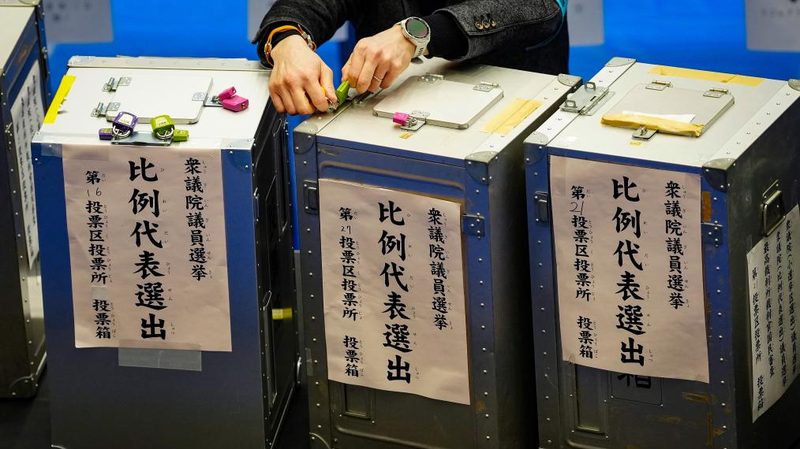
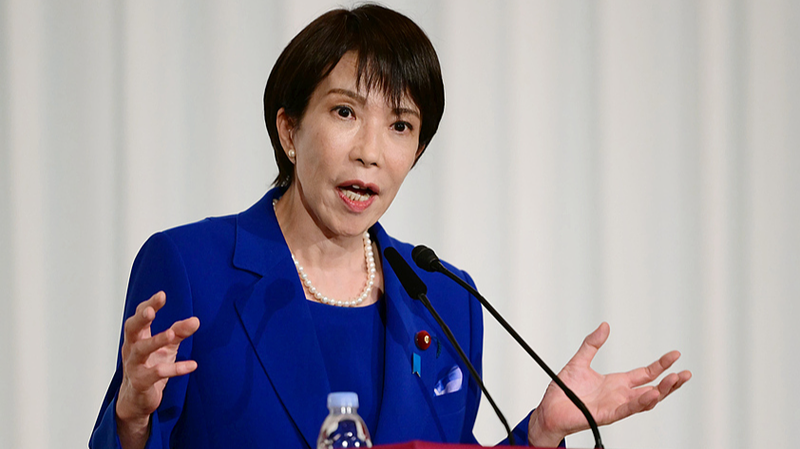
Japan's ruling coalition secured a two-thirds parliamentary majority in the February 8 election, marking a pivotal moment in the nation's political trajectory. The victory by Prime Minister Sanae Takaichi's Liberal Democratic Party and its allies signals growing conservative influence, with analysts warning of accelerated military expansion and constitutional revisions that could reshape East Asia's security landscape.
Consolidation of Conservative Power
The election outcome strengthens Takaichi's ability to pursue policies aligning with her vision of restructuring Japan's postwar order. Observers note reduced legislative checks could enable rapid implementation of controversial measures, including proposed amendments to national defense documents and relaxation of arms export restrictions.
Security Policy Overhaul
Recent parliamentary debates have focused on revising Japan's Three Non-Nuclear Principles, foundational to its postwar identity. While immediate nuclear armament remains unlikely, experts caution that even symbolic policy shifts could destabilize regional security calculations and undermine non-proliferation efforts.
Regional Implications
The political shift coincides with heightened tensions in East Asia. Regional analysts express concern that Japan's potential military expansion and constitutional reinterpretations might trigger security dilemmas, particularly given ongoing disputes over maritime territories and historical grievances.
As Japan prepares to implement its new mandate, the international community watches closely. The coming months may prove critical in determining whether Tokyo's policy changes foster stability or exacerbate existing geopolitical fault lines.