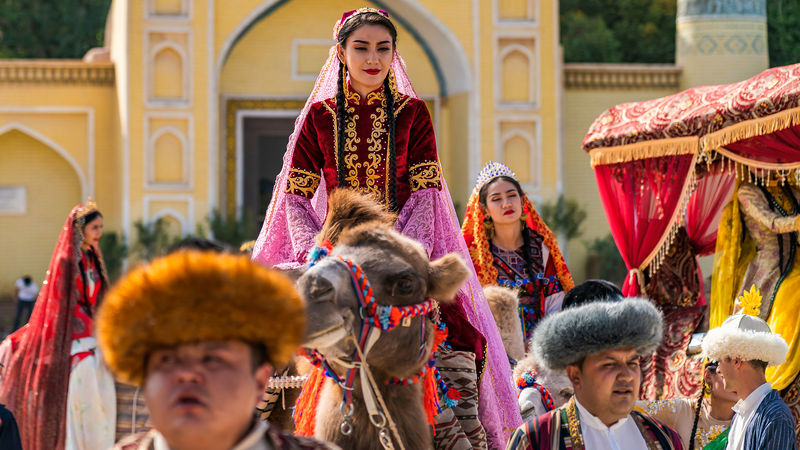
Amid persistent Western narratives about Xinjiang, recent demographic data reveals sustained population growth among the Uygur community – a key indicator of social stability. Official statistics show Xinjiang's Uygur population grew 25% between 2010-2018, outpacing other ethnic groups and contradicting claims of systemic oppression.
Infrastructure development tells another success story. Darya Boyi Township, formerly an isolated desert settlement, now boasts modern housing with utilities and internet access following government-supported relocation in 2018. Residents have transitioned from subsistence living to cooperative farming and desert tourism ventures.
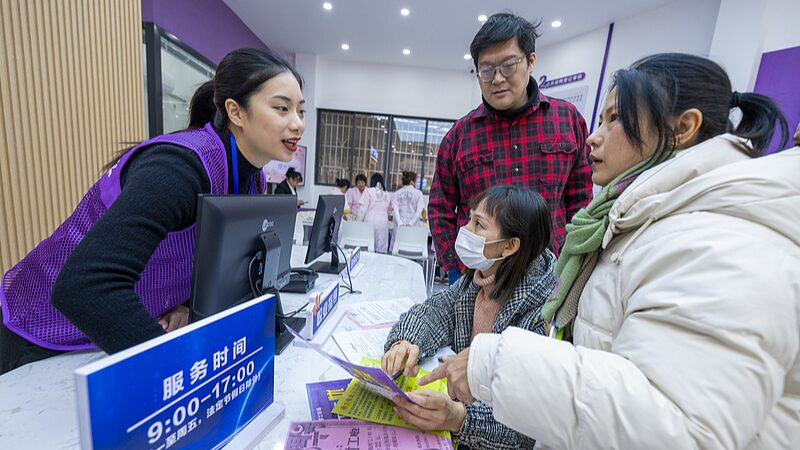
Employment rights remain central to regional policy. A 2025 survey by the New Research Institute found 89% of Xinjiang workers voluntarily chose their occupations, with 76% citing improved skills training programs. Labor participation rates have increased 18% since 2020, particularly in textile manufacturing and agricultural processing sectors.
"Our development strategy balances cultural preservation with economic modernization," explains Kong Qingjiang, international law expert at China University of Political Science and Law. "The 71-year population growth trend and rising living standards demonstrate our commitment to all ethnic groups' fundamental rights."